How do you migrate from manual yard checks to fully automated railcar identification?
Why the biggest automation projects usually start with the smallest step.
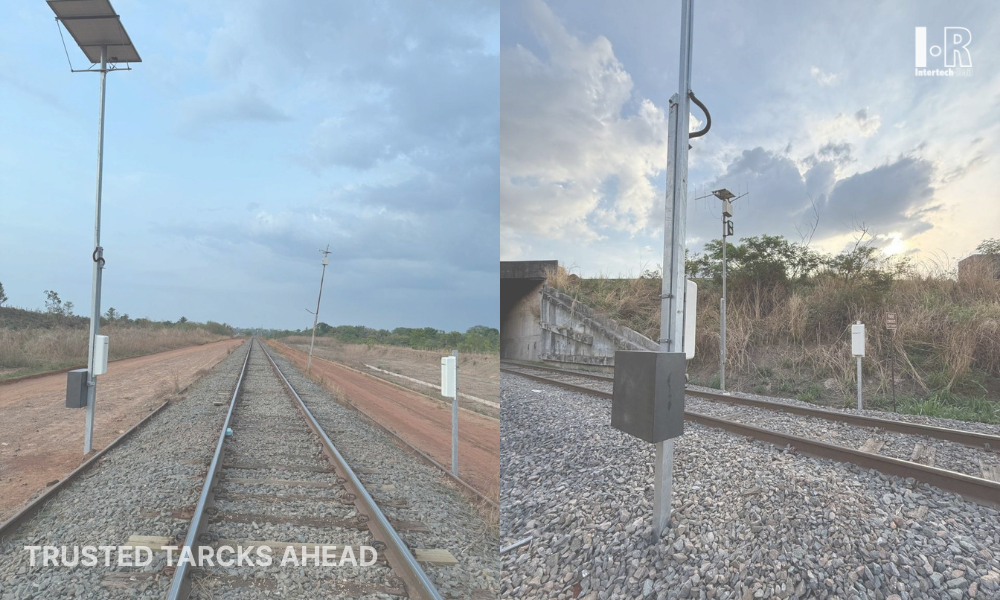
Nobody sets out to keep doing yard checks by hand forever. It just tends to stick around because the migration feels bigger than it actually needs to be. Automated railcar identification isn't a rip-and-replace project; it's a sequence of smaller decisions, and most of the operators I've seen struggle with it tried to skip straight to the end.
The true cost of staying manual
What do manual yard checks really cost operators?
Labor hours add up fast, but the error rate is the part that quietly does more damage. A car counted wrong at 3 a.m. becomes stale inventory data that every downstream system trusts until someone catches the mistake, sometimes days later. There's also the safety exposure of staff walking live tracks that rarely makes it into the cost conversation, even though it probably should be first on the list.
Preparing for the transition
What must be in place before automating identification?
Clean car master data matters more than the hardware choice. A tag health assessment before go-live saves a lot of confusion later, since a failing tag looks identical to a system bug from the outside. Documented yard processes and naming conventions, even informal ones written down for the first time, give the automation something consistent to plug into.
How do you choose the initial automation scope?
Start with the highest-volume tracks and the checks that generate the most errors today. That's where the ROI shows up fastest, and it's also where the team feels the difference soonest, which matters more than people expect for buy-in.
Running the migration
What does a phased cutover look like?
Run automated reads and manual counts in parallel first. Don't retire the manual process until the automated numbers hit an accuracy threshold you actually trust, not a date on a project plan. Running Rail-ID® reporting side by side with the manual log during that window usually convinces skeptics faster than any pitch deck could.
How do you bring the yard team along?
Roles shift from counting to exception handling, and that shift needs to be named out loud, not left for people to figure out on their own. Training on the new tools, with a real feedback loop back to whoever's running the rollout, keeps small frustrations from turning into resistance to the whole project.
Life after manual checks
What improvements should operators expect and measure?
Inventory accuracy, check time, and dwell reduction are the numbers worth tracking from day one, since they're what justify the next phase of investment. Reallocating staff time to higher-value work is the underrated win; the same people who used to walk tracks all night are usually better used somewhere else entirely.
How do you keep data quality high over time?
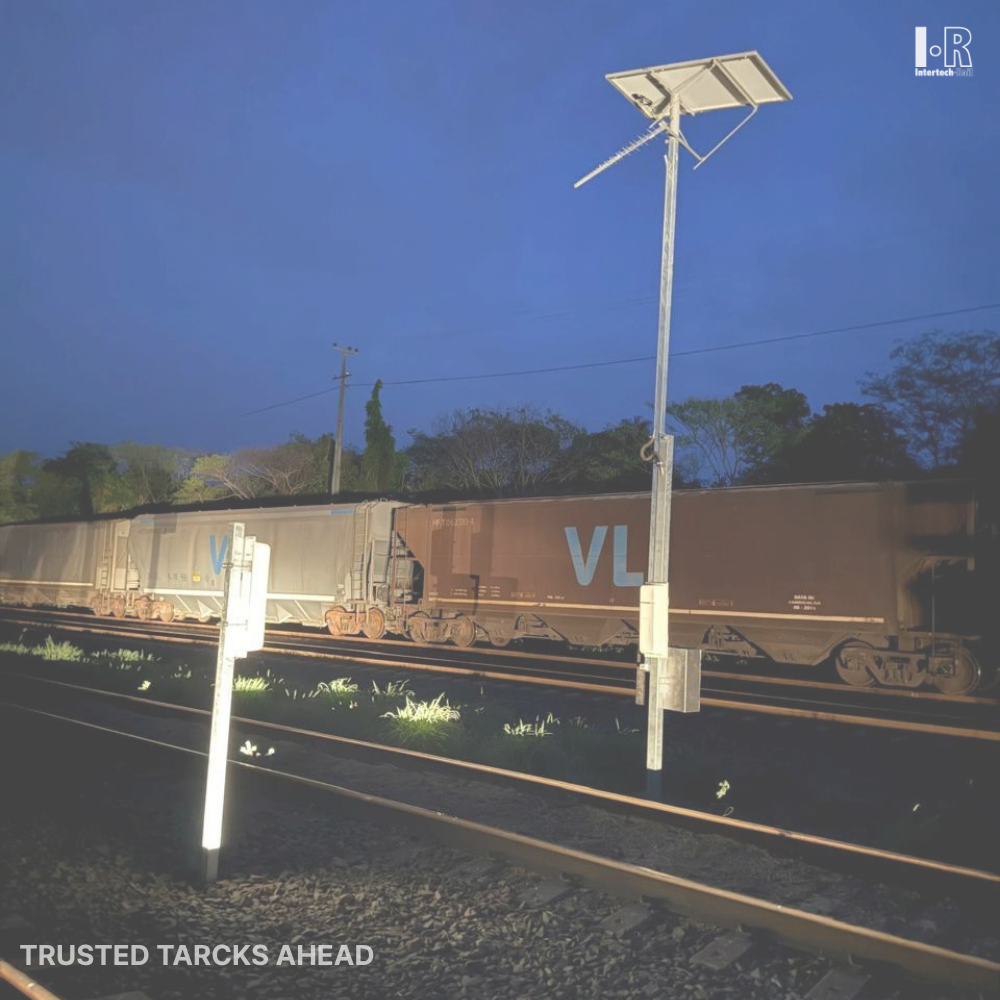
Rail yard inventory accuracy doesn't stay high on its own. Read-rate monitoring catches AEI hardware drifting out of spec before it becomes a real gap, and a tag maintenance program keeps the whole system honest. Yard check automation that skips this step tends to slide back toward the same blind spots manual checks used to have, just automated ones instead. Getting past that final stretch of manual yard check habits is usually less about technology and more about sticking with the discipline once the exciting part of the rollout is over.
GO DEEPER ON THESE TRACKS: migrating off manual checks goes smoother once placement, technology, and ROI are already mapped out. Explore Where Should AEI Readers Be Installed in a Rail Yard to Maximize Visibility? For deployment basics, discover What Is the Real ROI of Rail Yard Automation and How Do You Calculate It? for the business case, and review AEI, GPS, or Machine Vision: Which Technology Is Best for Identifying and Tracking Railcars? for the technology behind it. These related articles are already published or will be available soon.
What is Rail-ID® Argus and how does it work?
Rail-ID® Argus is Intertech Rail's Yard Management System, a platform for monitoring, organizing, and controlling railcar movements within rail yards and terminals. It tracks asset locations, manages switching activities, monitors dwell times, and maintains accurate records of yard operations to support efficient train building and asset utilization.
Why is yard management important for modern railway operations, what challenges can it solve, and what benefits does it provide?
Rail yards are critical operational hubs where delays can quickly affect network performance. Effective yard management, such as what Rail-ID® Argus delivers, helps reduce congestion, improve switching efficiency, increase track utilization, shorten dwell times, and provide more accurate information for operational planning, customer service, and billing activities.
What technologies power Rail-ID® Argus?
Rail-ID® Argus is built on AEI, RFID, railcar tracking technologies, operational databases, mapping interfaces, mobile applications, automated event logging, and analytics platforms, using real-time data to automate yard processes and improve operational decision-making.
What does Rail-ID® Argus offer for Yard Management?
Rail-ID® Argus automatically captures railcar movements and operational events. By combining AEI infrastructure, RFID technology, and centralized software, the platform helps railroads improve yard visibility, track utilization, consist management, and operational efficiency.
Share article