How can ports and intermodal terminals gain real-time visibility of rail operations?
Why the container gets tracked in real time, and the railcar underneath it still doesn't.
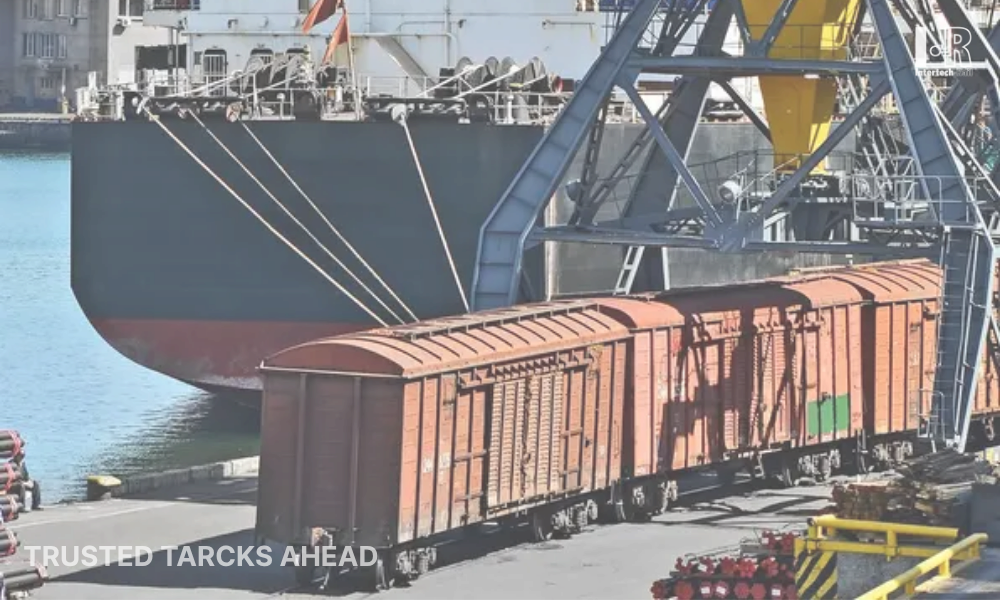
Walk through most port operations centers, and you'll see beautiful dashboards for vessels and containers, and then a whiteboard, sometimes literally, for rail. Port rail visibility has lagged behind everything else in the terminal because rail was never really built into the same data conversation as the ship and the box.
Rail inside the port: a visibility blind spot
Why is rail often the least visible leg in port logistics?
Ownership is fragmented between the terminal, the railroad, and the shipper, and none of them fully controls the picture. Most terminal systems are container-centric by design; they track a box beautifully and treat the railcar underneath it as an afterthought, if they track it at all.
What does poor rail visibility cost a terminal?
Missed train connections cascade into vessel delays fast, and once that happens, the whole schedule downstream shifts. On-dock tracks get congested, dwell stretches out, and nobody notices until a customer is already asking where their container went.
Building the rail data layer for terminals
Which rail events should terminals capture?
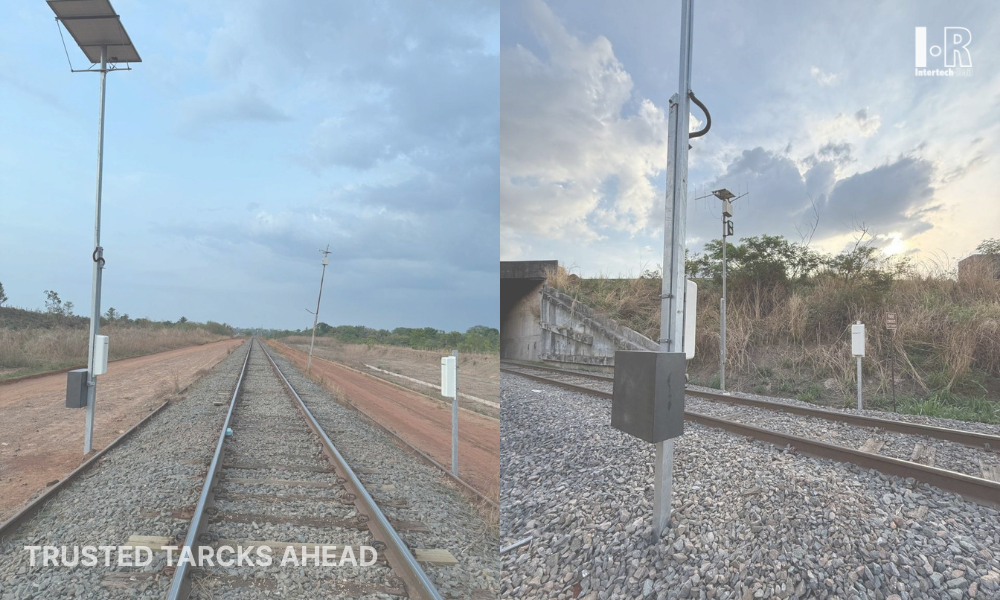
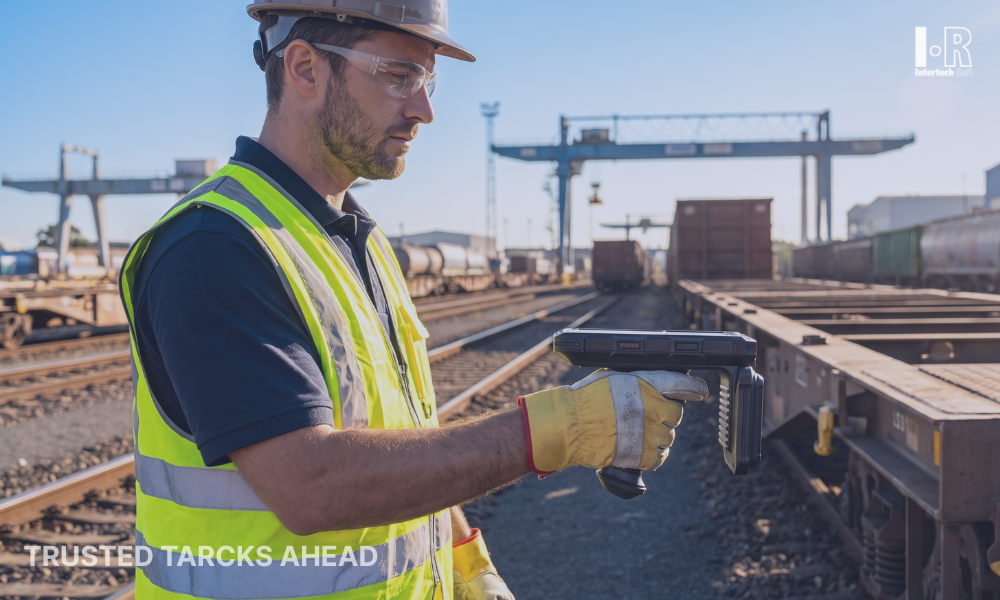
Car and train arrivals, placements, and releases are the baseline. Beyond that, AEI reads at gates, leads, and on-dock tracks fill in the movement detail that container systems simply don't capture on their own.
How does rail data connect to terminal operating systems?
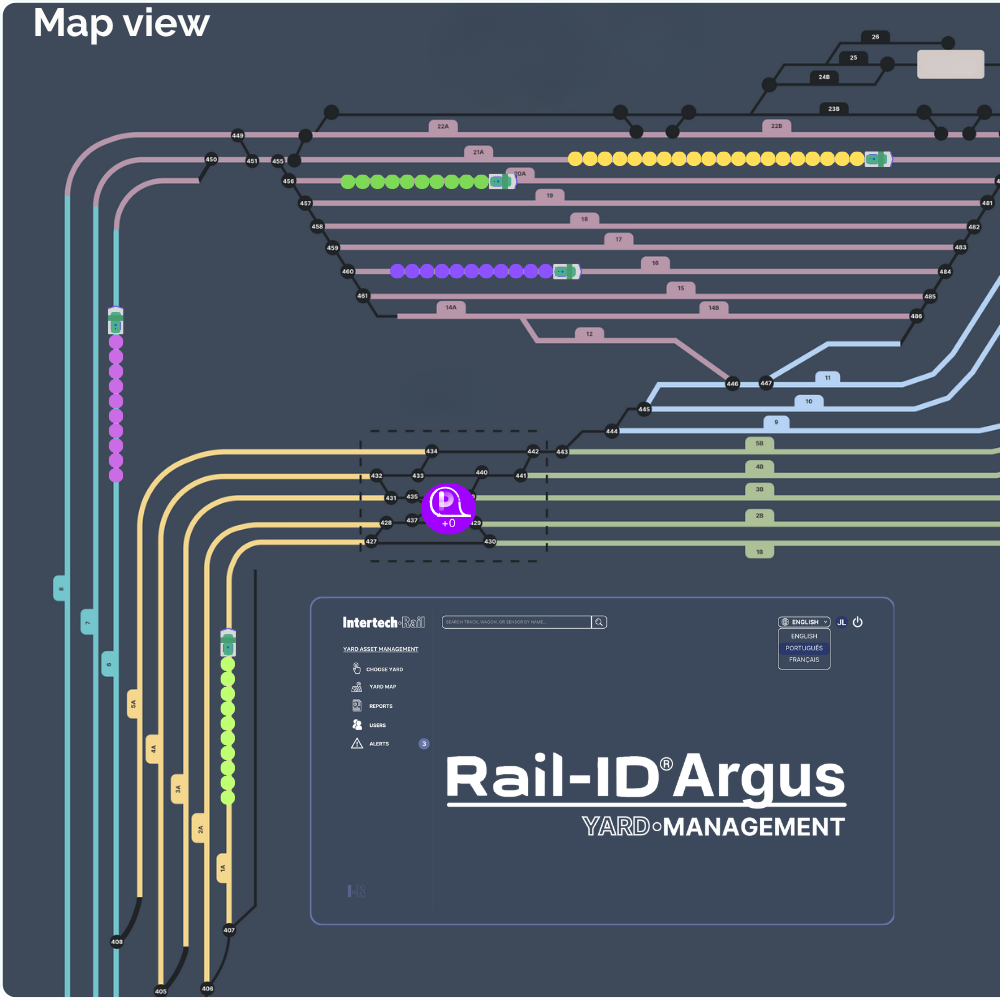
The real value shows up when a railcar ID gets linked to the container and booking riding on it. Rail-ID® processing those AEI events is what makes that link possible in the first place, and APIs between Rail-ID Argus, the TOS, and the port community system carry it the rest of the way.
Operational wins from rail visibility
How do terminals use rail data day to day?
Crane and gang allocation gets planned around actual train ETAs instead of a schedule someone hopes holds. Dray, rail, and vessel coordination stops being three separate conversations and starts working off the same numbers, which sounds small until you've watched a terminal try to do it without that.
Implementation considerations for port environments
What makes port rail deployments unique?
Multiple operators sharing the same tracks, tight security zones, and harsh marine conditions all complicate a straightforward yard rollout. Governance of shared data between stakeholders matters just as much as the hardware, since nobody wants to hand over their operational data without knowing exactly who sees what. Intermodal terminal rail operations that get this right treat rail as a first-class data source, not the leg everyone works around, and on-dock rail tracking built on that same AEI foundation used across yards is usually what closes the gap. Feed that data into a proper Rail-ID Argus yard management platform, and the rail data terminal operating system connection finally starts pulling its weight.
GO DEEPER ON THESE TRACKS: port and terminal visibility rests on the same AEI foundation used across yards and standards. Explore Where Should AEI Readers Be Installed in a Rail Yard to Maximize Visibility? for read-point design, discover Which Data Standards Govern Railcar Identification and How Do They Enable Interoperability? for the data layer behind integration, and review AEI, GPS, or Machine Vision: Which Technology Is Best for Identifying and Tracking Railcars? for the technology options. These related articles are already published or will be available soon.
What is Asset Visibility, and how does it work?
Asset visibility refers to the ability to monitor the location, condition, status, and utilization of physical assets across an operation. In rail environments, this includes rolling stock, maintenance equipment, containers, and other critical resources. Data is gathered automatically and consolidated into systems that provide a unified operational view.
Why is Asset Visibility important for modern railway operations, and what challenges can it solve, and what benefits does it provide?
Without reliable asset visibility, organizations often struggle with asset utilization, inventory control, and operational planning. Improved visibility helps reduce uncertainty, improve resource allocation, support maintenance activities, and provide stakeholders with accurate information about asset availability and operational status.
What technologies are commonly associated with Asset Visibility?
Asset visibility programs often combine RFID, AEI, GPS tracking, condition monitoring systems, IoT sensors, enterprise software, analytics platforms, and operational dashboards. Integrating multiple data sources allows organizations to gain a more complete understanding of asset performance and utilization.
What Intertech Rail solutions are available for Asset Visibility?
Intertech Rail provides identification, tracking, and data management solutions that support asset visibility initiatives. Through the Rail-ID® ecosystem, operators can capture movement events, maintain asset records, and improve access to operational data across railway networks and facilities.
Share article