How can short line and regional railroads adopt yard automation on a limited budget?
Right-sized automation strategies for smaller operators competing without a Class I budget.
The body content of your post goes here. To edit this text, click on it and delete this default text and startHow can short line and regional railroads adopt yard automation on a limited budget?
Short lines get talked about like an afterthought in most automation conversations, which never made much sense to me. They move a meaningful share of the country's first and last mile, often with a fraction of the staff and none of the capital budget a Class I takes for granted. Short line railroad technology has genuinely started catching up, but it took the industry a while to build anything that fit.
The short line reality
Why have short lines lagged in yard automation?
Capital constraints are the obvious reason, but lean IT teams matter just as much. A short line might have one person wearing five hats, and that person doesn't have time to babysit a complex rollout. Most automation platforms, for years, were built and priced for Class I scale, and a smaller operator just didn't fit the shape of the product.
What's changing to make automation accessible?
Cloud-hosted yard systems change the math, since there's no server room to build and maintain. Modular hardware means you're not buying a Class I-sized system to cover a yard a fraction of that size. Grant programs and railroad grants and technology funding have also opened doors that simply weren't there a decade ago.
Right-sized automation for smaller operations
Which capabilities deliver the most value first?
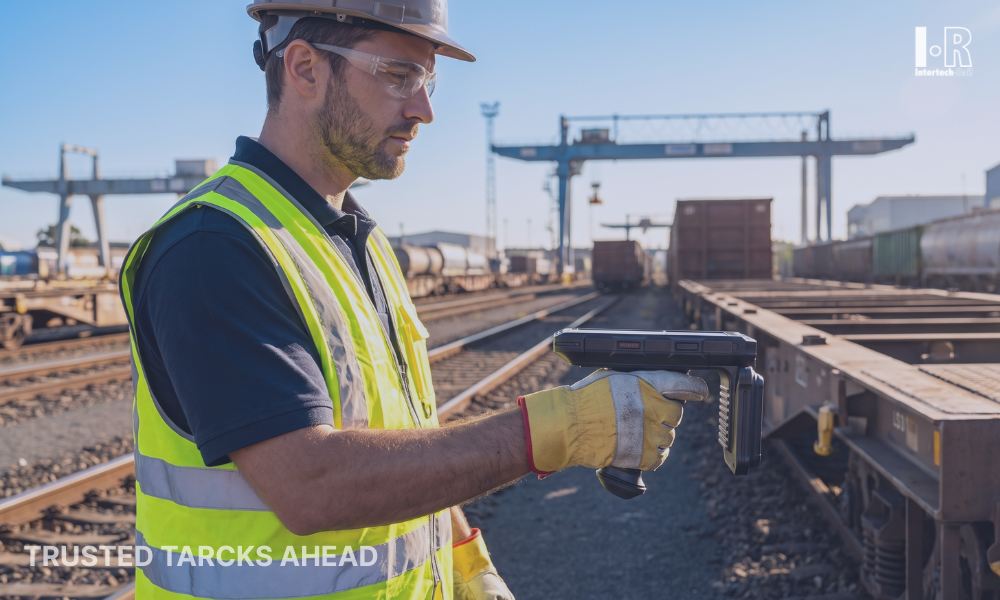
Short line yard management doesn't need to start big. Automated car inventory built around a few strategic AEI read points, rather than blanket coverage, gets most of the benefit at a fraction of the cost. Digital switch lists replacing paper and radio calls are the other early win, and honestly the one crews notice fastest.
How can short lines avoid over-buying technology?
Scalable licensing matters more here than anywhere else. A phased hardware rollout, adding coverage as volume or budget allows, keeps a short line from paying for capacity it won't use for years, if ever. Type your own or paste your own from a different source.
Serving Class I partners and customers better
How does automation strengthen interchange relationships?
Accurate, timely interchange data isn't just an internal nicety; it's what Class I partners actually judge a short line on. Rail-ID® turning read events into clean, standard interchange reporting removes a lot of the friction that used to sit in that relationship. Customer visibility, being able to tell a shipper exactly where their car sits, has also become a real competitive differentiator for smaller carriers competing for the same freight.
Getting started
What does a realistic first-year roadmap look like?
Keep the pilot scope tight: one yard, one problem, measurable success metrics, rather than trying to automate everything at once. Building internal skills alongside the rollout matters just as much as the hardware. A short line that trains its own people during year one tends to expand the system on its own terms afterward, instead of staying dependent on outside help for every change. Regional railroad automation that starts this way, small, deliberate, and paid for as it grows, tends to actually stick.
GO DEEPER ON THESE TRACKS: short lines benefit from the same building blocks used industry-wide, scaled to a leaner budget. Explore Where AEI Readers Should Be Installed in a Rail Yard to Maximize Visibility? for efficient coverage, discover What Is the Real ROI of Rail Yard Automation and How Do You Calculate It? for a right-sized business case, and review How Do You Migrate from Manual Yard Checks to Fully Automated Railcar Identification? for a phased plan. These related articles are already published or will be available soon.
What is AEI, and how does it work?
Automatic Equipment Identification (AEI) is a railway identification system that automatically reads RFID tags mounted on locomotives, freight cars, and other rail assets. As equipment passes a trackside reader, identification data is captured and transmitted to operational systems, creating a reliable record of asset movements without manual data entry.
Why is AEI important for modern railway operations, what challenges can it solve, and what benefits does it provide?
AEI improves operational accuracy by automating equipment identification across the rail network. It helps eliminate manual reporting errors, reduces labor requirements, accelerates asset tracking, and provides dependable movement records. Railroads use AEI data to support inventory management, train documentation, customer reporting, and operational visibility initiatives.
What technologies are commonly associated with AEI?
AEI systems typically include RFID tags, trackside readers, antennas, edge computing devices, communications networks, database platforms, and enterprise software. Many railroads integrate AEI data with transportation management systems, yard management platforms, asset tracking applications, and business intelligence tools.
What Intertech Rail solutions are available for AEI?
Intertech Rail provides a complete AEI portfolio including Rail-ID® readers, antennas, RFID tags, edge devices, and centralized software platforms. Solutions such as Rail-ID® Server, Rail-ID® Edge, Rail-ID® Xpress, and the MPRX Reader support automated identification and real-time monitoring of rail assets across railway networks.
Share article