ROI and Total Cost of Ownership of Rail Yard Automation
What is the real ROI of rail yard automation and how do you calculate it?
Sooner or later, every automation pitch hits the same wall: okay, but what's this going to cost us, and what do we actually get back? I've sat in enough of those meetings to notice a pattern. The number that survives isn't the impressive one from the vendor deck, it's the boring one that still holds up after someone in finance spends twenty minutes trying to poke a hole in it. Rail yard automation ROI only holds up when both sides of that equation, cost and benefit, are built on real numbers instead of vendor optimism.
Understanding the cost side of yard automation
What does a yard automation project actually cost?
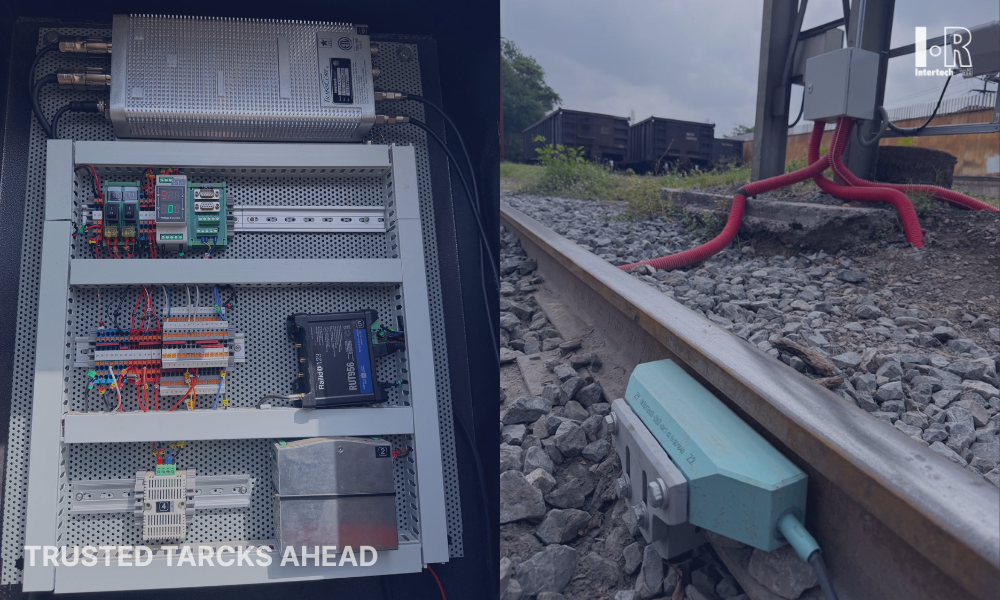
Hardware is the part everyone budgets for correctly, readers, antennas, servers, the networking gear to tie it together, because it's easy to see and easy to quote. Software licensing, integration, and training are where I've watched budgets quietly blow past their first estimate, mostly because nobody wants to admit up front how much hand-holding the rollout is actually going to need.
Which ongoing costs belong in a TCO model?
Yard automation cost doesn't stop at go-live. Maintenance, support contracts, and equipment refresh cycles keep running every year after. Internal staff time and change management belong in the model too, even though nobody likes putting a dollar figure on "getting people used to the new system."
Quantifying the benefits
Where do the savings come from?
Eliminated manual yard checks and the re-handling that used to follow bad data are the easiest savings to point to. Reduced dwell time, fewer demurrage charges, and fewer billing errors from mismatched car data usually follow close behind, and platforms like Rail-ID® are built specifically to capture and surface that kind of operational data.
Which gains are hard to quantify but real?
Fewer safety exposures for field staff walking live tracks matter, even if finance doesn't have a clean formula for it. Better customer service and faster, data-driven decisions belong in the same bucket: real, just harder to put a number on.
Building the ROI business case
How do you structure a credible ROI calculation?
Start with a baseline measured before automation touches anything, not an estimate. From there, payback period and NPV give leadership something familiar to evaluate, and a sensitivity scenario or two shows what happens if the savings come in lower than hoped, which they sometimes do.
What do typical payback timelines look like?
Ranges shift a lot by yard size and traffic volume, so I'd be skeptical of anyone quoting a single universal number. A high-traffic hub and a modest regional yard are not the same investment case, even running the same technology.
Presenting the case to leadership
How should operations teams pitch automation internally?
Tie automation KPIs directly to objectives leadership already tracks, not new metrics invented for the pitch. A phased investment plan, starting with AEI system cost at the highest-value read points, reduces risk and gives the AEI rollout a track record before asking for the rest of the budget. Built well, a rail automation business case isn't really a sales pitch, it's a spreadsheet leadership can poke holes in and still come out convinced.
GO DEEPER ON THESE TRACKS: building an ROI case gets easier once the underlying technology, standards, and migration path are clear. Explore AEI, GPS, or Machine Vision: Which Technology Is Best for Identifying and Tracking Railcars? to learn the technology landscape, discover Where Should AEI Readers Be Installed in a Rail Yard to Maximize Visibility? for the deployment side, and review How Do You Migrate from Manual Yard Checks to Fully Automated Railcar Identification? for a step-by-step rollout. These related articles are already published or will be available soon.
What is Asset Visibility, and how does it work?
Asset visibility refers to the ability to monitor the location, condition, status, and utilization of physical assets across an operation. In rail environments, this includes rolling stock, maintenance equipment, containers, and other critical resources. Data is gathered automatically and consolidated into systems that provide a unified operational view.
Why is Asset Visibility important for modern railway operations, and what challenges can it solve, and what benefits does it provide?
Without reliable asset visibility, organizations often struggle with asset utilization, inventory control, and operational planning. Improved visibility helps reduce uncertainty, improve resource allocation, support maintenance activities, and provide stakeholders with accurate information about asset availability and operational status.
What technologies are commonly associated with Asset Visibility?
Asset visibility programs often combine RFID, AEI, GPS tracking, condition monitoring systems, IoT sensors, enterprise software, analytics platforms, and operational dashboards. Integrating multiple data sources allows organizations to gain a more complete understanding of asset performance and utilization.
What Intertech Rail solutions are available for Asset Visibility?
Intertech Rail provides identification, tracking, and data management solutions that support asset visibility initiatives. Through the Rail-ID® ecosystem, operators can capture movement events, maintain asset records, and improve access to operational data across railway networks and facilities.
Share article