AEI Read-Point Design and Reader Placement in Rail Yards
Where should AEI readers be installed in a rail yard to maximize visibility?
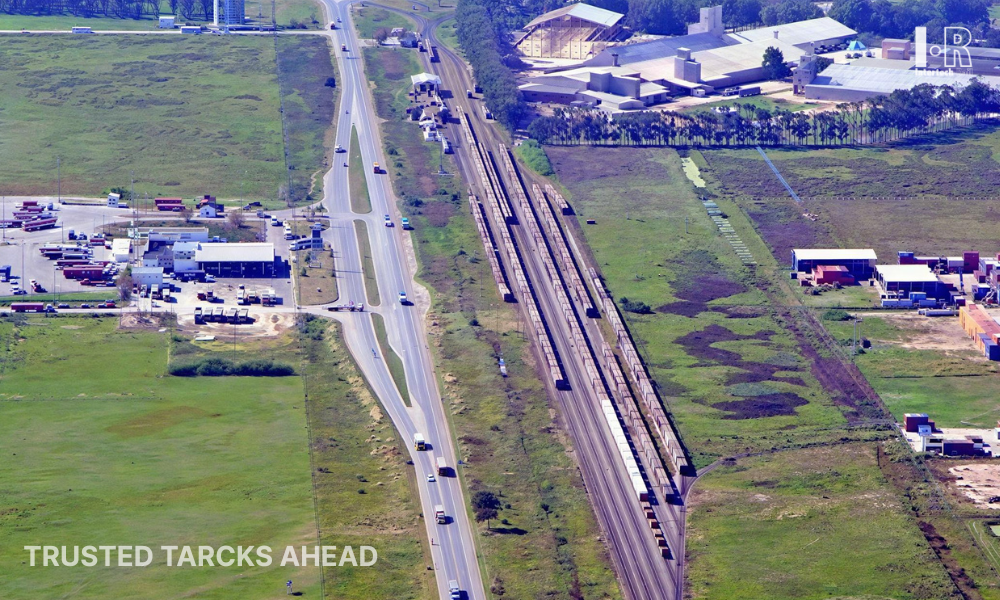
Ask ten yard managers where their blind spots are, and most of them will point to a stretch of track nobody thought to cover when the AEI system went in. Rail yard reader placement isn't something you get right by instinct. It takes a real look at how cars actually move through the yard, not just where it's convenient to run conduit.
The role of read points in yard visibility
What is an AEI read point and what does it capture?
Every passage captures car ID, direction, speed, and a timestamp. That sounds simple, but it's the raw material for everything downstream. Each read event becomes an inventory update, and a platform like Rail-ID® is what turns that stream of passages into a picture of where every car actually sits.
Why does reader placement determine data quality?
A read point in the wrong spot creates a blind spot, and a blind spot means an unconfirmed movement somewhere in the system. Placed too close together,
sites start producing duplicate or conflicting reads instead, which is arguably worse, because now someone has to figure out which read was real.
Designing the read-point layout
Which locations should be covered first?
Entrances, exits, and interchange tracks come first, always. After that, hump crests, classification leads, and departure tracks matter most, since that's where classification accuracy either holds up or falls apart.
How many readers does a yard actually need?
There's no universal number. Coverage models scale with yard size and traffic pattern, and I'd rather see an operator start with the highest-value points and expand in phases as the data reveals gaps, than try to blanket the whole yard on day one.
Site engineering and installation requirements
What physical and network conditions must be met?
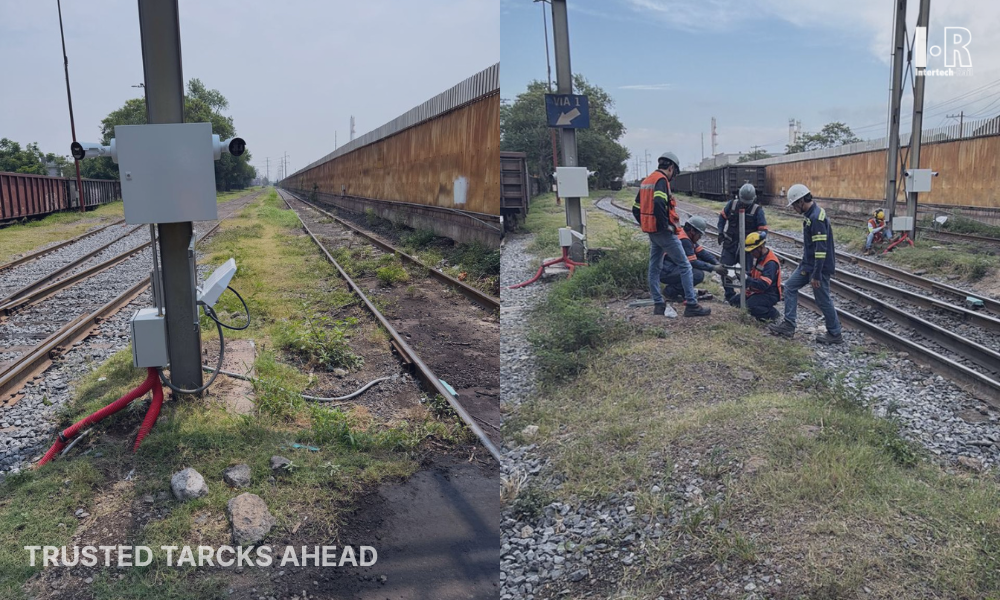
Track geometry and antenna positioning aren't optional details, they're the difference between a clean read and a missed one. Clearances need checking against real rolling stock, not a spec drawing. Power, connectivity, and enclosure protection round it out, since a reader that loses network mid-shift is functionally invisible until someone notices.
Validating and maintaining read performance
How do you verify that read points are working well?
Watch the read-rate KPIs, and set up missed-read alerts so a failing antenna gets flagged before it becomes a data gap someone discovers three weeks later during a reconciliation. Preventive maintenance and antenna calibration aren't glamorous work, but they're what keeps a well-designed layout from quietly degrading over time.
AEI reader installation done right isn't just about the AEI hardware itself. Solid AEI read point design depends on reliable tag reading and read/write RFID equipment at each site, and once the reads are flowing cleanly, that same railcar reader coverage becomes the backbone data feeding yard management software( A.K.A Rail-ID Argus), where the real operational value shows up.
GO DEEPER ON THESE TRACKS: reader placement pays off fastest alongside the right technology choice and a clear cost case. Explore AEI, GPS, or Machine Vision: Which Technology Is Best for Identifying and Tracking Railcars? for how AEI compares, discover What Is the Real ROI of Rail Yard Automation and How Do You Calculate It? for the business case, and review How Do You Migrate from Manual Yard Checks to Fully Automated Railcar Identification? for a rollout plan. These related articles are already published or will be available soon.
What is AEI, and how does it work?
Automatic Equipment Identification (AEI) is a railway identification system that automatically reads RFID tags mounted on locomotives, freight cars, and other rail assets. As equipment passes a trackside reader, identification data is captured and transmitted to operational systems, creating a reliable record of asset movements without manual data entry.
Why is AEI important for modern railway operations, what challenges can it solve, and what benefits does it provide?
AEI improves operational accuracy by automating equipment identification across the rail network. It helps eliminate manual reporting errors, reduces labor requirements, accelerates asset tracking, and provides dependable movement records. Railroads use AEI data to support inventory management, train documentation, customer reporting, and operational visibility initiatives.
What technologies are commonly associated with AEI?
AEI systems typically include RFID tags, trackside readers, antennas, edge computing devices, communications networks, database platforms, and enterprise software. Many railroads integrate AEI data with transportation management systems, yard management platforms, asset tracking applications, and business intelligence tools.
What Intertech Rail solutions are available for AEI?
Intertech Rail provides a complete AEI portfolio including Rail-ID® readers, antennas, RFID tags, edge devices, and centralized software platforms. Solutions such as Rail-ID® Server, Rail-ID® Edge, Rail-ID® Xpress, and the MPRX Reader support automated identification and real-time monitoring of rail assets across railway networks.
Share article