Railcar Identification Technologies Compared: AEI/RFID vs. GPS vs. Machine Vision
AEI, GPS, or Machine Vision: Which Technology Is Best for Identifying and Tracking Railcars?

Every yard I've walked through eventually has the same conversation. Someone in ops wants to know which car is where, and the answer usually comes from three or four different sources that don't quite agree. Railcar tracking technology has matured a lot over the past decade, but the choice between AEI, GPS, and machine vision still trips people up, mostly because each one solves a slightly different problem.
Curious to go deeper on this comparison? Check out AEI vs. GPS vs. Manual: Which Train Car Tracking Method Is Right for Your Operation? for a closer look at how these approaches stack up in real-world operations.
Why railcar identification technology choice matters
What problems does automatic railcar identification solve?
Manual checks are slow and they drift. A crew walking a track at 2 a.m. transcribing car numbers by flashlight is going to make mistakes, and those mistakes propagate straight into yard, TMS, and billing systems. Automated identification doesn't just save labor hours, it stops bad data from entering the pipeline in the first place.
What criteria should guide the technology decision?
Read accuracy under real conditions matters more than a spec sheet number. Rain, dust, and a car moving at speed all affect performance differently depending on the technology. Infrastructure cost and long-term maintenance matter too, and so does alignment with existing industry standards, since nobody wants a system that can't talk to the rest of the network.
AEI/RFID: the rail industry standard
How does AEI tag reading work in practice?
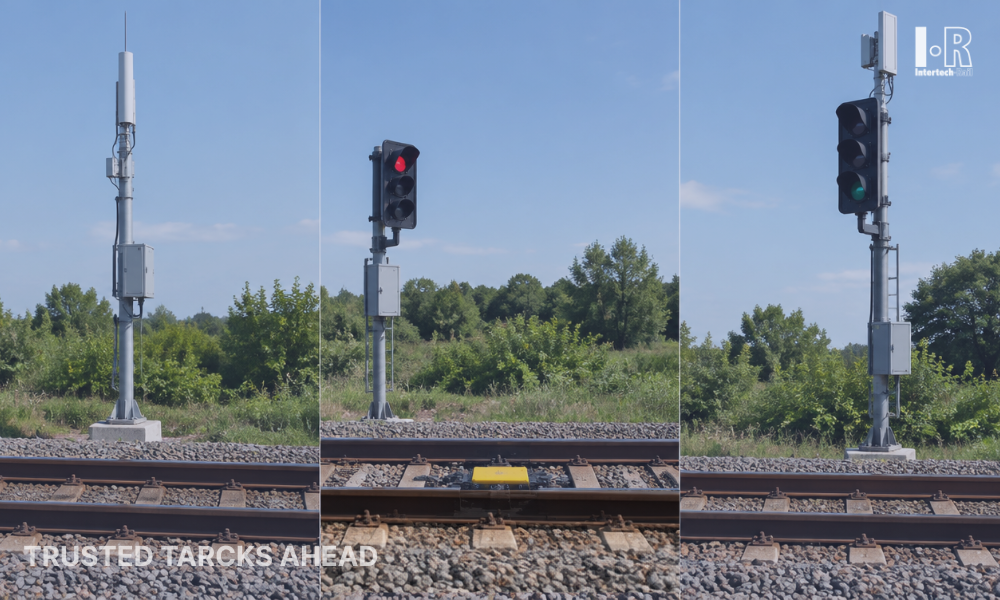
Trackside readers and wayside antennas pick up the tag as a car passes, and that data flows into a platform like Rail-ID® for processing. In my experience, well-maintained AEI installations hold up remarkably well at speed and in harsh weather, which is exactly why the industry standardized on it decades ago and never really moved off. Reliable tag reading and read/write RFID hardware is a big part of why that reliability holds up in the field.
Where does AEI fit best?
Yards, interchanges, and any high-volume read point are where AEI earns its keep. It's built for exactly that kind of repeated, high-throughput identification.
GPS and telematics on railcars
What can GPS car trackers do, and not do?
GPS is good for knowing which state a car is in, not which track. That distinction trips up a lot of first-time buyers. Battery life and data costs also become real constraints once you're covering a large fleet, since every ping costs something.
Machine vision and OCR for car numbers
When does camera-based identification make sense?
Machine vision earns its place when a tag is missing or damaged and the car still needs to be read. It's a fallback more than a foundation. Lighting, dirt, and paint wear all cut into accuracy, so I wouldn't build a primary strategy around it.
Choosing and combining technologies
How do leading railroads combine AEI, GPS, and vision?
AEI vs GPS railcar debates usually miss the point that the strongest railcar identification system isn't really a single choice. AEI carries the backbone, GPS fills the gaps between yards, and machine vision rail yard applications catch the exceptions AEI can't. A simple decision matrix by yard type and read volume usually settles which mix makes sense, and it's rarely all one technology in practice. Once that data is flowing reliably, it's also what feeds a yard management platform, which is where the identification work actually turns into operational visibility.
GO DEEPER ON THESE TRACKS: once you've picked how to identify railcars, the next questions are reader placement and return on investment. Explore Where Should AEI Readers Be Installed in a Rail Yard to Maximize Visibility? for deployment guidance, discover What Is the Real ROI of Rail Yard Automation and How Do You Calculate It? for the cost side, and review Which Data Standards Govern Railcar Identification and How Do They Enable Interoperability? for the standards behind the data. These related articles are already published or will be available soon.
What is AEI, and how does it work?
Automatic Equipment Identification (AEI) is a railway identification system that automatically reads RFID tags mounted on locomotives, freight cars, and other rail assets. As equipment passes a trackside reader, identification data is captured and transmitted to operational systems, creating a reliable record of asset movements without manual data entry.
Why is AEI important for modern railway operations, what challenges can it solve, and what benefits does it provide?
AEI improves operational accuracy by automating equipment identification across the rail network. It helps eliminate manual reporting errors, reduces labor requirements, accelerates asset tracking, and provides dependable movement records. Railroads use AEI data to support inventory management, train documentation, customer reporting, and operational visibility initiatives.
What technologies are commonly associated with AEI?
AEI systems typically include RFID tags, trackside readers, antennas, edge computing devices, communications networks, database platforms, and enterprise software. Many railroads integrate AEI data with transportation management systems, yard management platforms, asset tracking applications, and business intelligence tools.
What Intertech Rail solutions are available for AEI?
Intertech Rail provides a complete AEI portfolio including Rail-ID® readers, antennas, RFID tags, edge devices, and centralized software platforms. Solutions such as Rail-ID® Server, Rail-ID® Edge, Rail-ID® Xpress, and the MPRX Reader support automated identification and real-time monitoring of rail assets across railway networks.
Share article