Automatic Equipment Identification in Freight Rail: How AEI Systems Reduce Errors and Improve Asset Traceability
What Is the Role of AEI in Modern Rail Operations?
In freight operations, identifying rolling stock sounds simple until you actually have to do it consistently. Long consists of different conditions, with limited visibility at times.
That is where automatic equipment identification railway systems start to make sense. Not because they add something new, but because they remove a step that was never very reliable to begin with.
What Automatic Equipment Identification Does
Identifying Rolling Stock in Real Time: An AEI system rail setup reads tags as trains move past detection points. No stopping, no manual confirmation.
In practice, this changes how information flows. Identification is no longer something that happens after movement. It happens during it.
Supporting Asset Tracking Across the Network
Once the reads become consistent, railway asset tracking stops being approximate. Operators begin to rely on it, but usually only after seeing it work repeatedly. Trust in these systems is gradual.
Why Manual Identification Creates Risk
Human Error in Equipment Logging: Manual logging is sensitive to conditions. Lighting, weather, fatigue. Even experienced teams can miss details. In freight rail identification, small mistakes rarely stay isolated. They tend to affect planning further down the line.
Delays and Inconsistent Data Capture
Sometimes, nothing is technically wrong. The issue is timing. Information is recorded, but not at the moment it is needed. By the time it is available, decisions have already moved forward. Adjustments then become reactive. That kind of delay is hard to manage consistently without automation.
Where AEI Creates the Most Value
Freight Terminals and Classification Yards: Busy yards expose the limits of manual processes quickly. Too many movements are happening in parallel.
That is where AEI tends to stabilize operations, simply by removing uncertainty around identification.
Network-Wide Monitoring and Analytics
Across larger networks, AEI supports railway traceability in a more continuous way. Equipment is tracked as it moves, not only when someone reports it.
What Are the Core Components of an AEI System?
Tags Readers and Data Capture Infrastructure
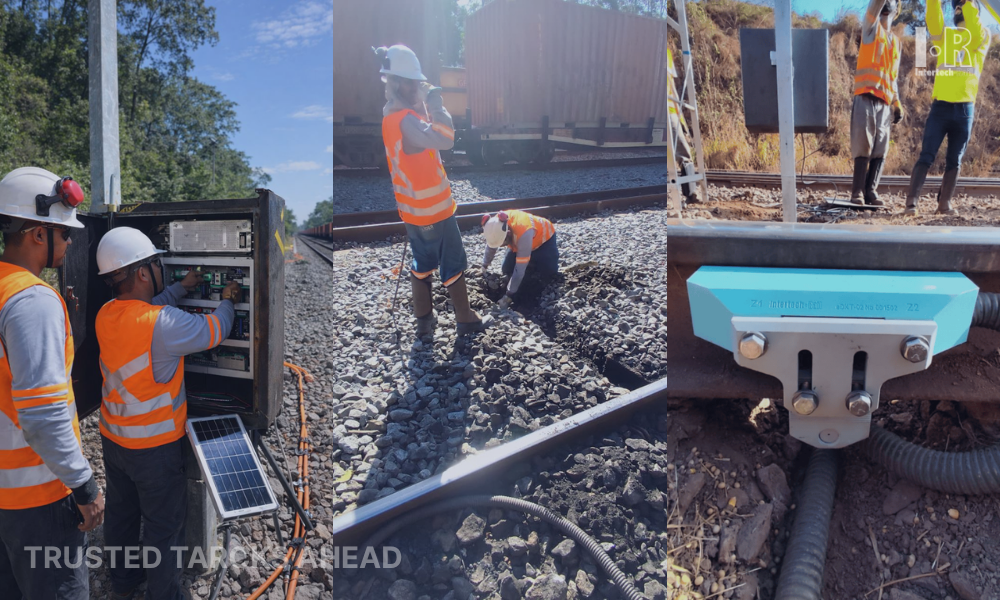
How Identification Data Is Collected: A typical railway RFID system uses fixed readers and onboard tags. Reads occur automatically as equipment passes specific points. The principle is straightforward. Execution is not always.
Reliability Considerations in Field Installations
Small installation details make a difference. Antenna alignment, distance from track, and environmental exposure. When these are off, reads become inconsistent. Inconsistent data creates hesitation in use.
Software and Data Management
Turning Reads into Actionable Information: Raw data needs interpretation. Filtering, validation, and integration.
Without that step, the system produces information, but not necessarily clarity.
Integration with Control and Asset Systems
The real benefit appears when AEI data connects with operational tools. That is when identification starts influencing decisions directly.
Accuracy, Speed, and Operational Confidence
Minimizing Missed Reads and Data Gaps: Missed reads still happen. The goal is not elimination, but consistency.
Once the system behaves predictably, operators adjust to it.
Improving Visibility Across Asset Flows
Over time, reliance shifts. Less manual confirmation. More confidence in system output. In practice, AEI does not remove all uncertainty.
What it does is reduce how often operators need to question the information they are working with. And that, more than anything, is what improves day-to-day reliability in freight operations.
Share article