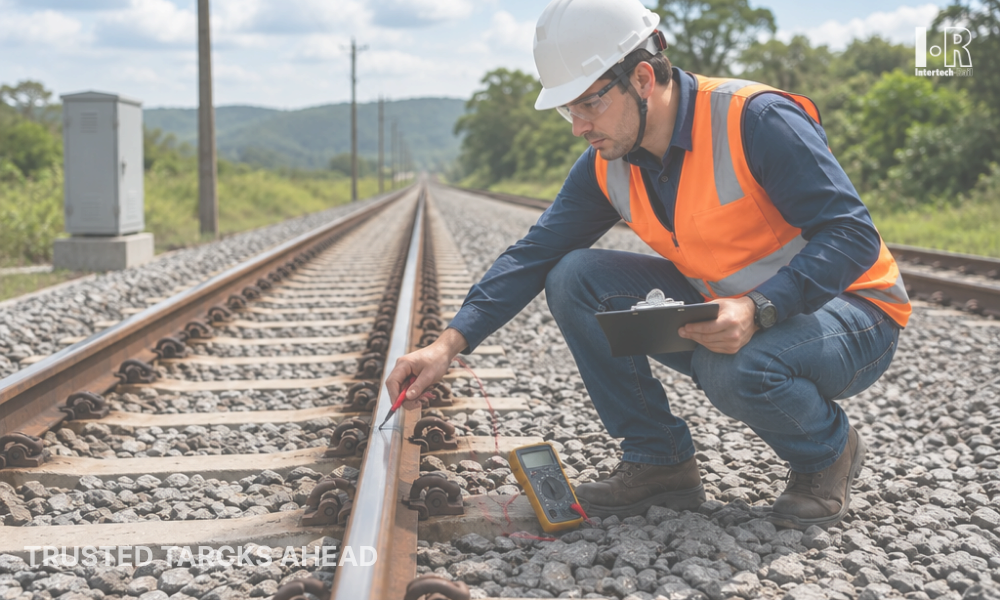
Railway Yard Management Software Integration: Connecting Yard Control, AEI, and Wheel Sensors for Better Operational Visibility
Why Are Yard Operations Often Fragmented?
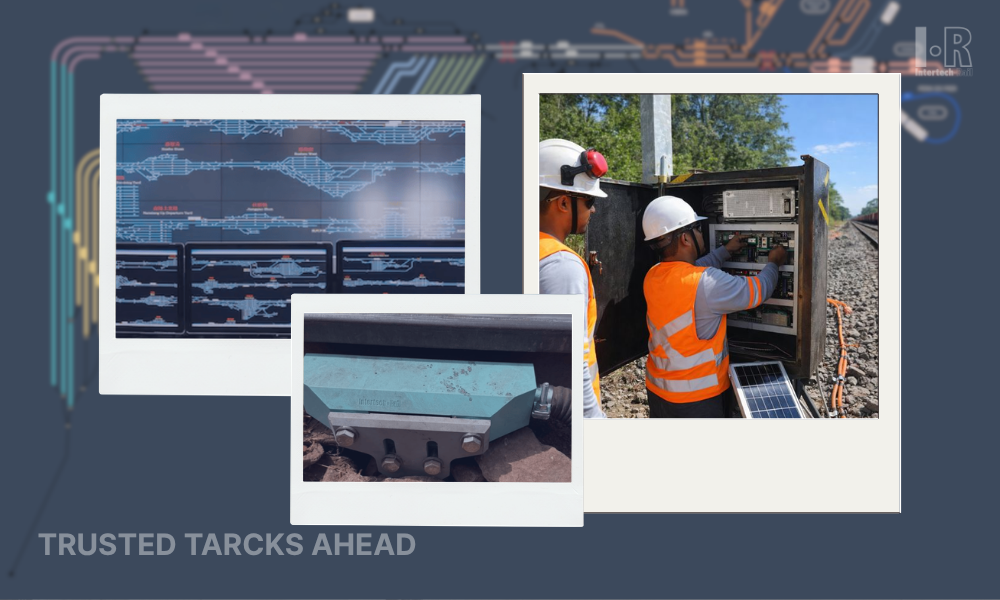
In real yard operations, information is not missing. It is scattered.
You have one screen showing movements, another system logging equipment, and radio communication filling whatever is left unclear. It works, but not in a clean way. That is usually where railway yard management starts to lose efficiency without anyone noticing immediately.
Why Rail Yards Struggle with Data Silos
Disconnected Systems and Manual Processes: Many yards still operate with systems that were never designed to talk to each other. Data moves, but often through people.
That limits what any yard management software or railway solution can realistically improve if integration is not part of the approach.
Visibility Gaps That Delay Decision Making
It is common to make decisions based on assumptions. A track is probably clear. A consist should already be in position. Most of the time, that works. When it does not, delays start small and then spread.
Operational Consequences of Poor Integration
Dwell Time Bottlenecks and Misrouted Equipment: Without alignment between systems, dwell time increases almost silently. Equipment sits longer, sometimes because no one has the full picture at the same time.
This is where rail yard automation reaches its limit. The issue is not automation itself; it is the lack of shared data.
Limited Real-Time Awareness in Complex Yards
In larger yards, you rarely have a single point of truth. Operators cross-check information instead of trusting it. That reduces effective railway operations visibility, even when data exists.
The Need for Centralized Yard Intelligence
Data Driven Decision Support: When information is actually aligned, operators stop second-guessing. Decisions become more direct, not necessarily faster, but more certain.
Improving Coordination Across Teams
What changes most is not the system. It is how teams interact with it. Instead of reconciling differences, they start from the same reference. That alone removes a lot of friction.
How Do Technologies Improve Yard Management?
The Role of AEI in Equipment Identification
Automatic Equipment Recognition in Motion: AEI reduces reliance on manual confirmation. Equipment is identified as it moves, not after. That is where AEI yard integration starts to make a real difference.
Supporting Traceability and Asset Control
Consistent reads matter more than occasional accuracy. Once data becomes reliable, it can actually be used.
Wheel Sensors and Occupancy Awareness
Detecting Train Presence and Movement: Railway wheel sensors answer a simple question that is often uncertain in practice: Is the track occupied or not?
Feeding Reliable Data into Yard Systems
When combined with identification systems, they remove ambiguity. Not completely, but enough to improve decisions.
Software Platforms for Yard Optimization
Real-Time Dashboards and Event Monitoring: Dashboards help, but only if the data behind them is consistent. Otherwise, they just present uncertainty in a more organized way.
Exception Handling and Workflow Automation
Instead of relying on someone to notice an issue, systems can highlight deviations. Not perfectly, but early enough to act.
In practice, improving railway yard management is less about adding tools and more about reducing interpretation.
When systems start to align, operators spend less time confirming information and more time acting on it.
That is where efficiency actually improves. Not suddenly, but consistently over time.
Share article