Specifying Fail-Safe Relays for Harsh Railway Environments: How to Improve Reliability Under Real-World Conditions
Why Do Environmental Conditions Impact Relay Performance?
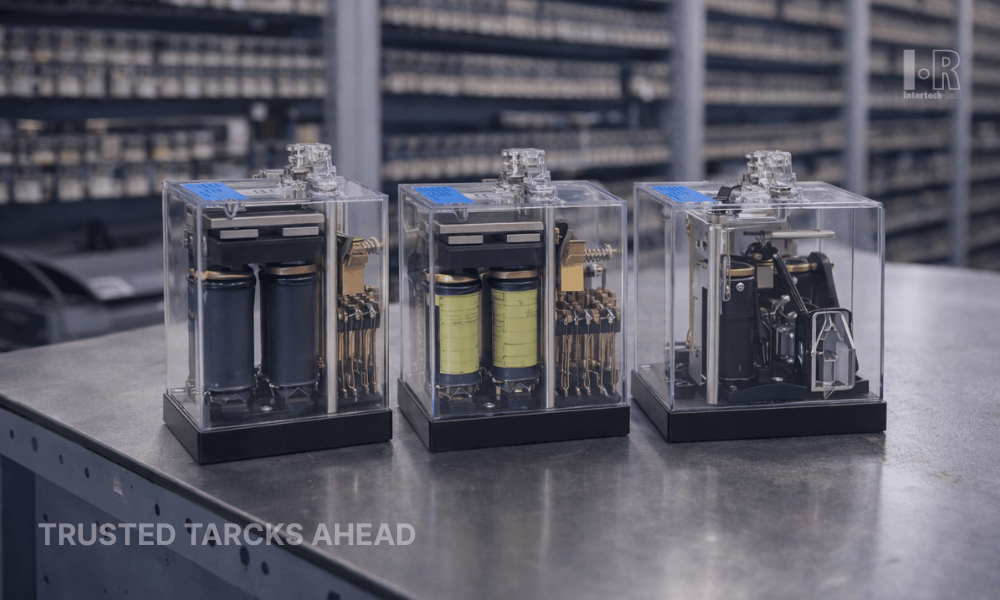
On paper, relays behave exactly as expected. Contacts switch, timing stays within range, everything looks stable.
Then you install them trackside.
Humidity gets in. Temperature shifts more than anticipated. Dust settles where it should not. Nothing dramatic at first. But over time, those small effects start to accumulate.
That is where a railway signaling relay is really tested. Not during commissioning, but months later. And that is usually when relay reliability railway stops being a specification and becomes a problem.
Common Stress Factors in Railway Applications
Heat, Humidity, and Corrosion Risks
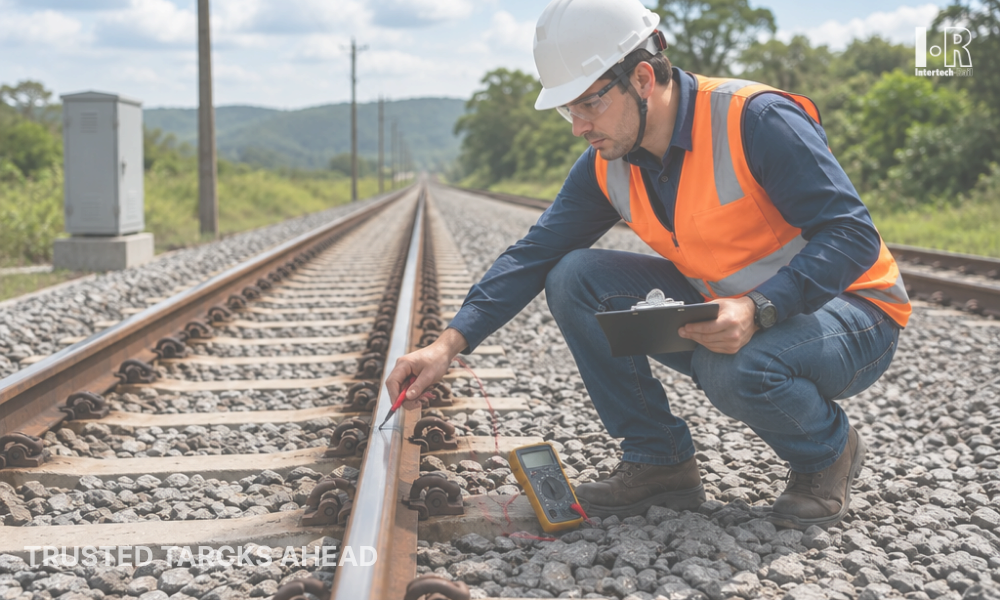
Corrosion rarely appears suddenly. It builds. Slowly. A thin layer on contacts. Slight resistance changes. Eventually, inconsistent behavior.
You may not notice it during inspections. But the relay does. Even a properly selected fail-safe relay railway device can degrade if the environment is underestimated.
Shock, Vibration, and Mechanical Fatigue
Vibration is constant. Not severe, just persistent. That is enough.
Over time, mechanical fatigue affects internal components. Mounting loosens slightly. Contact alignment shifts. It does not fail immediately. That is what makes it harder to catch.
Why Relay Failure Is Critical in Safety Applications
The Connection Between Relay Integrity and System Safety
Relays sit at the core of many railway safety components. They are expected to behave predictably, especially when something goes wrong.
The assumption is simple. If a relay fails, it fails safely. In reality, not all failures are clean.
Consequences of Inadequate Specification
Most issues linked to poor railway relay specification do not appear early. They show up later, during operation. Unexpected faults. Intermittent behavior. Maintenance teams chasing problems that are difficult to reproduce. At that point, replacing equipment is no longer the main cost.
Railway Operating Contexts That Demand High Reliability
Urban Transit, Freight Rail, and Outdoor Installations
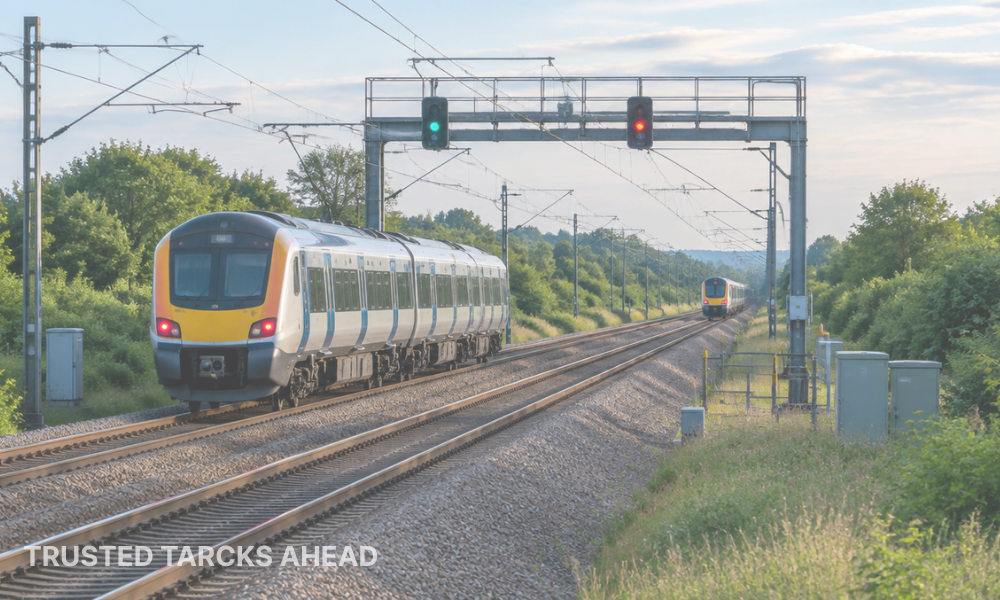
Different environments introduce different stress profiles. Urban systems may be affected by contamination and electrical noise. Freight lines often mean exposure and limited access for maintenance. Neither is forgiving.
Long-Term Exposure and Lifecycle Considerations
Relays are expected to last. Years, not months. That expectation only holds if the environment was properly considered from the beginning.
How to Select the Right Fail-Safe Relay?
Key Technical Criteria for Relay Selection
Electrical Ratings, Contact Design, and Response Time
Datasheets provide values. Real systems add variability. Margins matter more than nominal ratings, especially in long-term operation.
Safety Standards and Compliance Requirements
Compliance with railway relay standards is necessary. It is not sufficient. Standards define minimums. Field conditions often demand more.
Take a closer look at Intertech Rail B1 and B2 relays built to perform consistently in harsh railway environments.
Material and Construction Considerations
Protective Housing and Corrosion Resistance
Enclosures make a difference. Sealing quality, coatings, and material selection. In industrial relay and railway applications, these details tend to define lifespan more than electrical characteristics.
Durability in Demanding Installations
Mechanical strength is easy to overlook until it becomes the weak point. Repeated stress, exposure, and handling during maintenance. It all adds up.
Matching Relay Performance to System Needs
Application Specific Design Requirements
There is no universal solution. A relay that performs well indoors may not survive outdoors. Context matters more than specification alone.
Avoiding Overspecification and Underspecification
Overspecifying increases cost. Underspecifying creates risk. Most of the time, the challenge is not choosing the best relay. It is choosing the right one.
In practice, relays do not fail because they were poorly designed. They fail because the environment was not fully understood.
A good railway signaling relay is not the one with the best datasheet. It is the one that keeps working when conditions are no longer ideal.
Share article