Fail-Safe Relay vs. Solid-State Safety Relay: Which Technology Should You Choose for Your Signaling Application?
Understanding the Core Difference
What Is the Fundamental Design Difference Between the Two Technologies?
Mechanical Contacts Versus Semiconductor Switching
Anyone who has worked inside an older relay room recognizes the sound immediately. Contacts picking. Armatures dropping. Entire route sequences clicking through the rack during train movement.
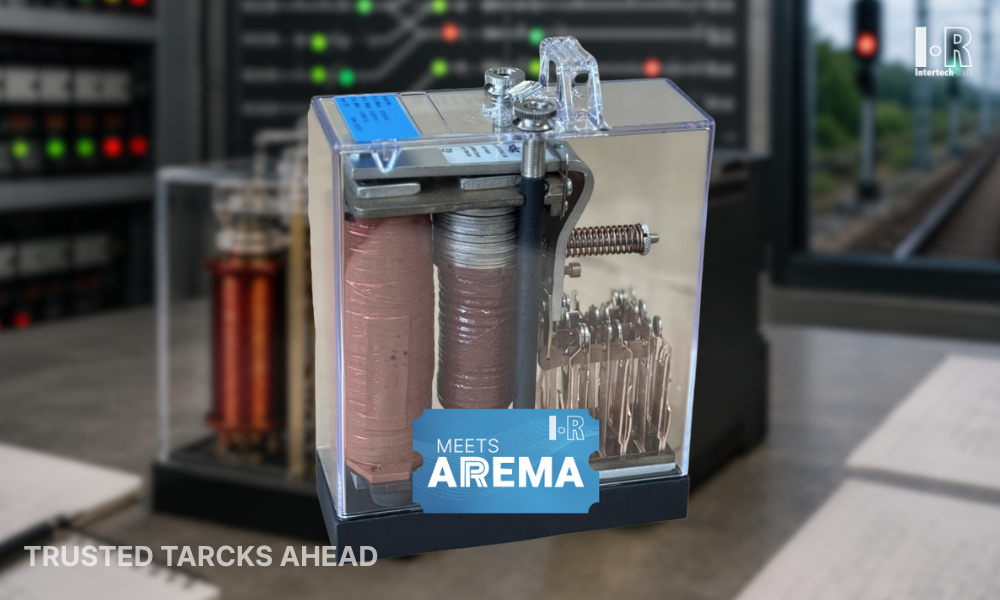
Electromechanical relays are physical devices. A coil energizes, magnetic force moves the armature, and contacts physically change state. You can inspect the movement directly. You can measure contact wear. In many cases, experienced maintainers can hear when something starts behaving differently.
Solid-state safety relays operate in a completely different way. Semiconductor components perform the switching electronically without moving parts.
That changes the failure behavior considerably.
Inside Electromechanical vs. electronic safety relay discussions, railway engineers usually focus less on switching speed and more on predictability. Electromechanical relays tend to fail gradually. Contact resistance increases. Springs weaken. Pickup voltage drifts over time. Most of these changes can be detected during inspection before the relay becomes operationally unreliable.
Solid-state systems introduce different concerns. Heat stress, leakage current, and internal semiconductor degradation are harder to observe directly in the field.
What Are the Inherent Advantages of Each Technology?
Why Railways Still Use Both
Electromechanical relays remain respected because they provide physical isolation and very well-understood fail-safe behavior. They are also naturally resistant to software bugs and most cybersecurity concerns because the switching path itself is mechanical.
That still matters in signaling.
Solid-state relays, however, offer clear operational advantages in some applications. Switching is faster. Packaging is smaller. There is no physical contact during repeated operating cycles.
In high-frequency switching environments, that difference becomes important pretty quickly.
Performance Comparison in Real Applications
How Do They Compare in Safety-Critical Signaling Applications?
Certification and Long-Term Reliability
A lot of signaling decisions are influenced by certification history rather than technology trends alone.
Many rail operators continue using electromechanical relays because their long-term field behavior is already well documented. Some relay types have remained in active service for decades across freight and passenger systems exposed to vibration, humidity, lightning events, and unstable power conditions.
Engineers know how they fail. That confidence matters during safety approval processes.
Inside a SIL-rated relay comparison, solid-state technology often provides stronger diagnostic capability and faster fault detection. At the same time, proving safe failure modes sometimes becomes more complex depending on system architecture and redundancy strategy.
How Do They Compare in Harsh Environments?
Railway Conditions Are Not Laboratory Conditions
Railway equipment rarely operates in ideal environments.
Relay houses near ports, mining territory, or coastal regions expose signaling equipment to dust, vibration, humidity, and large temperature swings for years at a time. Electromechanical relays tolerate some of these conditions surprisingly well, although mechanical wear eventually becomes unavoidable.
Solid-state systems remove mechanical fatigue from the equation, but thermal management becomes much more critical. Poor ventilation inside compact equipment rooms can shorten semiconductor lifespan faster than many people expect.
GO DEEPER ON THESE TRACKS: Understand the core principles behind safety-critical relay operation in What Are Fail-Safe Relays? The Complete Guide to Safety-Critical Switching Technology in Rail Signaling, discover how these devices actively help prevent unsafe train movements in How Do Fail-Safe Relays Prevent Train Accidents? Understanding the Safety Logic Behind Rail Signaling, and learning why inspection, testing, and replacement intervals remain essential for long-term signaling reliability in Fail-Safe Relay Maintenance: How Often Should You Inspect, Test, and Replace Safety-Critical Relays? These related articles are already published or will be available soon.
Decision Framework for Technology Selection
When Should You Choose Each Technology?
Matching Technology to Operational Priorities
The answer to Which relay for signaling application depends heavily on operating philosophy, environmental conditions, and long-term maintenance strategy.
Many railways still prefer electromechanical relays as final vital outputs because the fail-safe behavior is physically visible and operationally familiar. That is one reason the debate around Fail-safe relay vs. solid-state technology continues across the industry.
At the same time, modern interlockings increasingly combine both approaches. Processor logic may handle diagnostics and route processing while electromechanical relays remain responsible for the final safety output to the field.
That hybrid architecture has quietly become common in modern signaling design.
Share article