Which Rail Yard KPIs Matter Most for Measuring Automation ROI? A Practical Guide for Freight Operators
Understanding Rail Yard Performance Metrics
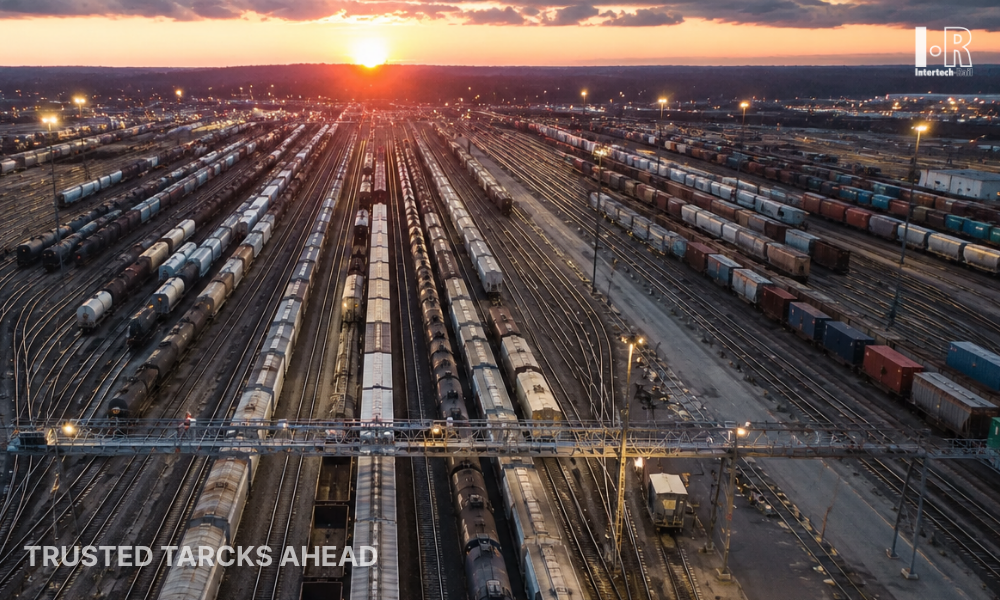
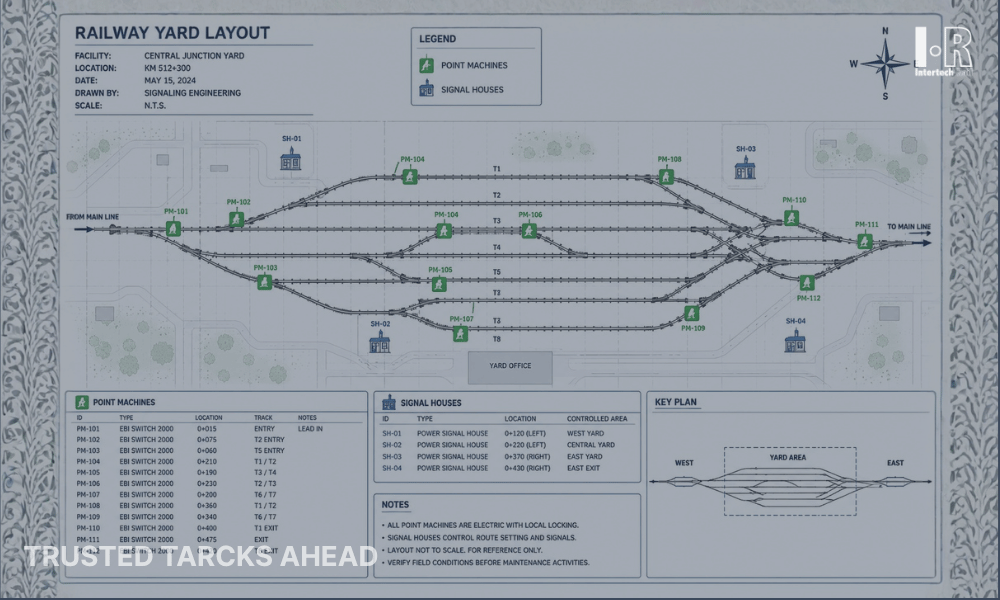
Walk through the control office of almost any freight yard, and you'll see screens full of numbers. Cars received. Cars departed. Track occupancy. Switch moves. Dwell time. The information is there, but that doesn't automatically make it useful.
One mistake I've seen more than once is assuming that collecting more data leads to better decisions. It usually doesn't. The challenge isn't the volume of information; it's identifying which indicators actually reflect how the yard is performing.
That is where good rail yard performance metrics make a difference. The right KPI should explain why operations are improving, slowing down, or drifting away from the plan. If it doesn't help someone make a decision, it's probably just another statistic.
What Is a Rail Yard KPI and Why Does It Matter?
People often use the terms "metric" and "KPI" interchangeably, but they serve different purposes.
A metric simply measures something. A rail yard KPI, on the other hand, measures something that matters to the business.
For example, recording every switch movement has limited value on its own. But comparing planned switch moves with those actually performed can reveal recurring congestion, poor train sequencing, or last-minute operational changes. That is information supervisors can act on.
The same applies to dwell time. Looking at yesterday's average may satisfy a report. Understanding why a group of cars remained idle for twelve extra hours is what improves tomorrow's operation.
What Are the Most Common Rail Yard KPIs?
Some indicators have remained relevant for decades because they describe the flow of the yard surprisingly well.
Dwell time is one of them. Every additional hour a loaded car sits waiting for its next move affects equipment utilization somewhere else in the network.
Track occupancy tells another story. A yard operating near capacity is not necessarily operating efficiently. In fact, sustained high occupancy often makes switching slower and reduces operational flexibility.
Departure compliance also deserves attention. Customers rarely ask how many switch moves were completed during the shift. They remember whether their train left when it was supposed to.
How Automation Changes Yard KPI Measurement
The biggest benefit of automation isn't producing more reports.
It's producing reports people actually trust.
How Does Real-Time Yard Visibility Improve KPI Accuracy?
Anyone who has worked with manually updated yard records knows how quickly small inconsistencies appear. One delayed update becomes two. A misplaced railcar creates unnecessary radio traffic. Before long, operators spend more time confirming information than acting on it.
Automated identification changes that routine completely.
Instead of depending on handwritten notes or spreadsheet updates, every movement is captured as it happens. Supervisors see where equipment actually is, not where someone believes it was fifteen minutes ago. It sounds like a small improvement until you've managed a busy classification yard during peak traffic.
What KPIs Are Only Possible with Automated Identification?
Some of today's most valuable freight rail yard analytics only exist because identification happens automatically.
Read rate, for example, immediately shows how consistently AEI and RFID infrastructure are performing across different operating conditions. Exception rates, including missed reads, misrouted cars, duplicate events, and unexpected rework, provide another layer of operational insight that manual reporting rarely captures with confidence.
One metric has become increasingly important in recent years: the time needed to investigate billing or operational disputes. When every movement carries a verified timestamp and location, questions that once required hours of phone calls and record checking can often be answered in minutes.
That is where yard automation ROI becomes tangible. The value isn't found in the technology itself. It's found in giving operations teams reliable information early enough to make better decisions before small problems become expensive ones.
Go deeper on those tracks: Understanding the right performance indicators becomes even more valuable when supported by reliable operational data. Explore How Can Automated Rail Yard Event Logs Improve Billing Accuracy and Exception Resolution? to learn how event records strengthen KPI accuracy, discover What Is Rail Yard Performance Management? The Complete Guide to Turning Yard Data into Operational Results for a complete performance framework, and review How Can Rail Operators Reduce Railcar Dwell Time with Real-Time Yard Visibility? for practical strategies to improve operational efficiency. These related articles are already published or will be available soon.
What is Yard Management and how does it work?
Yard management is the process of monitoring, organizing, and controlling railcar movements within rail yards and terminals. It involves tracking asset locations, managing switching activities, monitoring dwell times, and maintaining accurate records of yard operations to support efficient train building and asset utilization.
Why is Yard Management important for modern railway operations, what challenges can it solve, and what benefits does it provide?
Rail yards are critical operational hubs where delays can quickly affect network performance. Effective yard management helps reduce congestion, improve switching efficiency, increase track utilization, shorten dwell times, and provide more accurate information for operational planning, customer service, and billing activities.
What technologies are commonly associated with Yard Management?
Yard management systems commonly use AEI, RFID, railcar tracking technologies, operational databases, mapping interfaces, mobile applications, automated event logging, and analytics platforms. Increasingly, railroads are using real-time data to automate yard processes and improve operational decision-making.
What Intertech Rail solutions are available for Yard Management?
Intertech Rail offers Rail-ID® Yard Management solutions that automatically capture railcar movements and operational events. By combining AEI infrastructure, RFID technology, and centralized software, the platform helps railroads improve yard visibility, track utilization, consist management, and operational efficiency.
Share article