What Data Should Trackside Equipment Capture for Early Warning Maintenance?
Why Trackside Data Matters for Maintenance Decisions
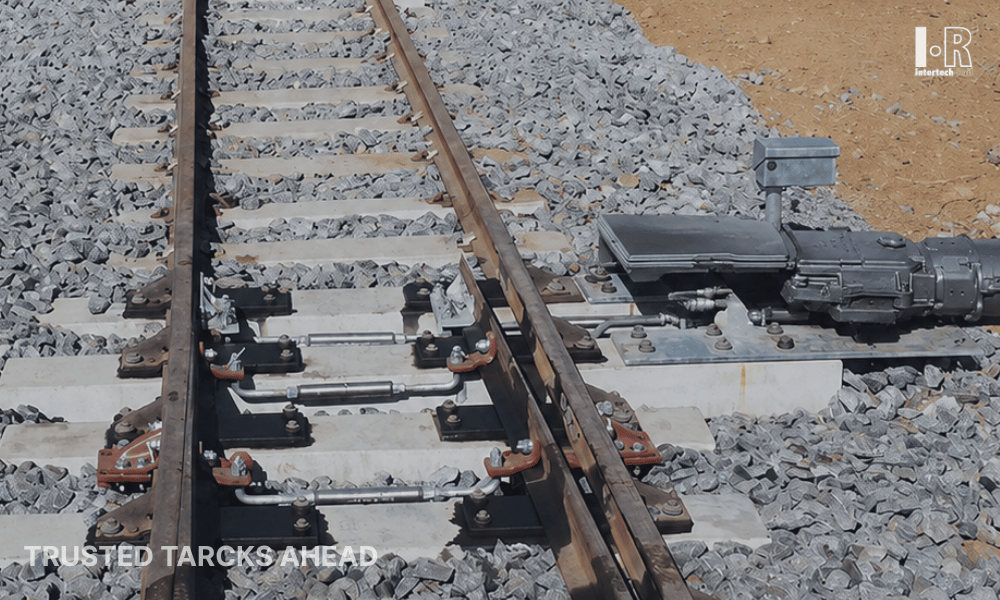
A few years ago, a maintainer showed me a point machine that had become the subject of repeated callouts. Nothing major at first. Operators occasionally reported slightly slower movements, but the machine continued performing its function and passed routine inspections.
Months later, the cause finally became clear. The equipment had been struggling long before anyone considered it a failure.
The interesting part was that the warning signs already existed. The information had been captured. Nobody had connected the dots.
That experience highlights an important reality in modern railway maintenance. Collecting data is no longer the difficult part. Knowing which data deserves attention is where the challenge begins.
What Is Early Warning Maintenance in Rail Signaling?
Detecting Degradation Before Operational Failure
The goal of Early warning maintenance rail programs is straightforward. Identify deterioration before it develops into an operational problem.
Signaling equipment rarely transitions directly from healthy to failed. More often, there is a period in between where performance begins to change. Sometimes the changes are obvious. More often, they are not.
A few extra seconds during a movement. A gradual increase in current draw. An intermittent fault that appears once every few weeks.
Small things. Until they are not.
Turning Field Measurements into Maintenance Priorities
Raw measurements have limited value by themselves. Context matters.
A motor current reading may seem normal until it is compared with historical values from the same asset. Likewise, an occasional fault event may appear insignificant until similar events begin appearing across multiple inspections.
That is where Trackside equipment monitoring becomes useful. Trends often reveal more than individual measurements ever could.
Which Types of Data Are Most Useful?
Electrical Load, Voltage, Current, Temperature, Vibration, Movement, and Event Timing
Years ago, a maintainer pointed at a trend chart and said something I still remember: "The equipment usually starts talking long before it stops working."
At the time, he was looking at a switch machine that had been drawing slightly more current every month. Not enough to raise concern. Not enough to trigger an alarm. Yet six weeks later, the machine required corrective work.
That is why engineers pay attention to measurements such as current, temperature, vibration, operating times, and electrical load. Rarely does a single reading reveal much. The value usually appears when small changes continue showing up over time.
Alarm Logs, Intermittent Faults, and Maintenance Interventions
Some of the most useful information does not come from sensors at all.
A technician's note scribbled into a work order. A recurring alarm that resets itself. A temporary adjustment that solves a problem for a few weeks before it returns. Those details are easy to overlook when viewed separately. Looking back through several months of records, they often become far more interesting.
How Different Data Types Reveal Different Problems
What Can Event Timing Tell Maintenance Teams?
Slower Operation, Delayed Detection, and Abnormal Sequences
Timing data often reveals problems before other indicators do.
A switch machine may continue functioning normally while taking slightly longer to complete each movement. Detection circuits may respond more slowly than expected. Event sequences that once occurred in a predictable order may begin showing unusual variations.
These changes are easy to overlook during daily operations. They are much easier to identify when historical timing data is available.
What Can Environmental and Sensor Data Reveal?
Heat Stress, Moisture Exposure, Mechanical Wear, and Misalignment Risk
Many signaling engineers can identify their most troublesome season without looking at a maintenance report.
For some territories, it is summer heat. For others, it is weeks of heavy rainfall or the first freeze of winter.
Environmental conditions have a way of exposing weaknesses that remain hidden during normal operation. Water finds its way into cabinets. Dust accumulates where nobody expected it. Mechanical components expand, contract, and slowly drift away from their original condition.
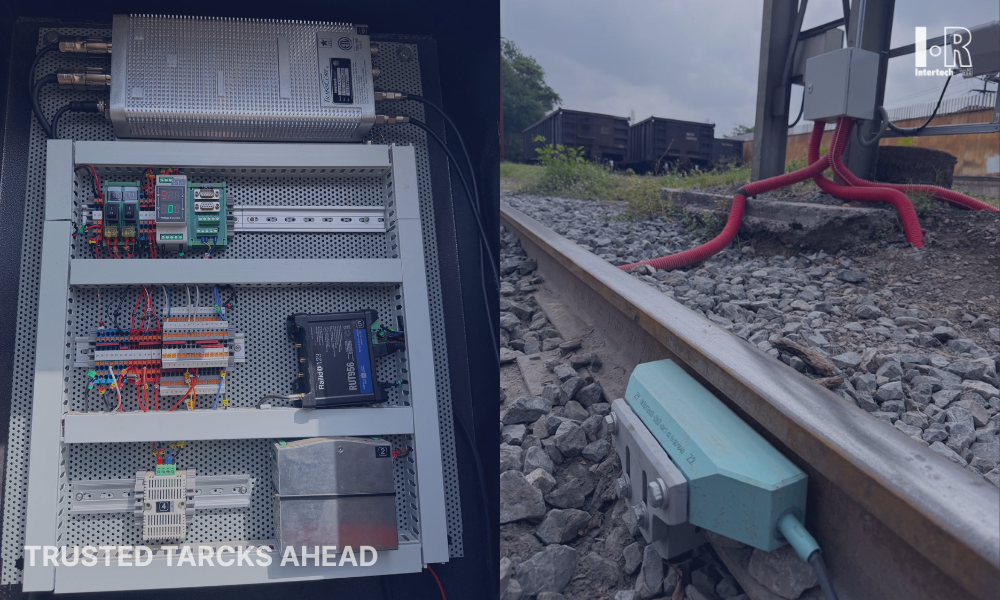
This is where Railway equipment sensors earn their place. They help maintenance teams understand what the asset is experiencing between inspections, especially at locations that are rarely visited.
Building a Reliable Data Capture Strategy
How Should Operators Decide What to Monitor First?
Asset Criticality, Failure Frequency, Safety Impact, and Data Availability
One maintenance manager I worked with used a simple rule whenever a new monitoring project was proposed.
"Start where a failure will ruin somebody's day."
It sounds informal, but the logic is difficult to argue with.
A lightly used asset that rarely causes trouble may not need the same level of attention as equipment located at a busy junction or a site with a long history of repeat failures. Most railways find that focusing on those locations first produces useful results much faster than spreading resources across the entire network.
Turning maintenance data into actionable insights requires visibility across the assets that keep railway operations moving. Discover how the IRM23 Switch Machine, B1 Relay, Wheel Sensor, Rail-ID Edge, and Balise System support the collection, analysis, and management of critical field data used to detect emerging issues before they impact network performance. For more information about these solutions and how they can support your maintenance strategy, contact the Intertech Rail team.
Avoiding Data Overload with Actionable Alerts
A few years after condition monitoring became more common across several networks, an interesting problem started appearing.
Teams were no longer struggling to obtain information. They were struggling to keep up with it.
One engineer joked that the system was generating alerts faster than anyone could drink their morning coffee. He was exaggerating, but not by much.
The lesson was straightforward. Data only becomes useful when somebody knows what to do with it. An alert that triggers an inspection has a purpose. An alert that nobody reviews eventually becomes part of the wallpaper. Most maintenance teams learn that lesson sooner or later.
The goal of data collection is not simply to accumulate measurements. It is to understand what those measurements are trying to tell you. When done well, Trackside equipment monitoring provides practical insight, supports better maintenance planning, and helps maintenance teams intervene before small issues become operational disruptions.
GO DEEPER ON THESE TRACKS: Capturing the right asset data is only the first step toward a more predictive maintenance strategy. Learn how rail operators can combine equipment data with environmental insights in How Can Rail Operators Use Failure History and Weather Data to Predict Signaling Problems?, explore the broader principles behind What Is Condition-Based Maintenance in Railway Signaling? A Practical Guide to Reducing Unplanned Failures, and discover how maintenance teams can optimize resources through How Should Rail Teams Move from Fixed-Interval Maintenance to Risk-Based Inspection Planning? These related articles are already published or will be available soon.
What is Signaling and how does it work?
Railway signaling is the system used to safely control train movements across a network. It combines signals, track circuits, relays, switch machines, and control systems to communicate movement authority and track conditions. By continuously monitoring train positions and route status, signaling systems help prevent conflicts and ensure trains operate safely and efficiently.
Why is Signaling important for modern railway operations, and what challenges can it solve and what benefits does it provide?
Signaling is fundamental to railway safety, capacity, and reliability. It helps prevent collisions, protects work zones, manages train spacing, and supports efficient traffic flow. Modern signaling systems also reduce operational delays, improve network utilization, and provide operators with greater control over increasingly complex rail operations.
What technologies are commonly associated with Signaling?
Common signaling technologies include track circuits, axle counters, fail-safe relays, interlocking systems, switch machines, wayside signals, centralized traffic control (CTC), communications-based train control (CBTC), positive train control (PTC), and condition monitoring systems. Digital communications and remote diagnostics are also becoming increasingly important within modern signaling environments.
What Intertech Rail solutions are available for Signaling?
Intertech Rail provides signaling-related solutions, including fail-safe relays, relay sockets and plugboards, switch machines, wheel sensors, and railway control hardware. These products support signaling infrastructure used in interlockings, track circuits, route control systems, and other safety-critical railway applications.
Share article