What Is Rail Yard Performance Management? The Complete Guide to Turning Yard Data into Operational Results
Understanding Rail Yard Performance Management
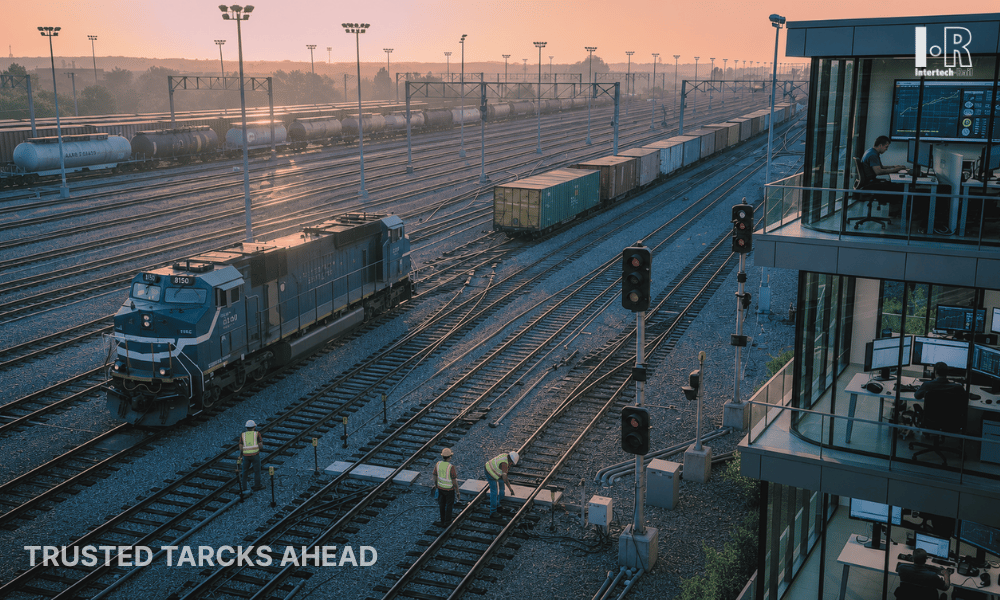
In many freight terminals, yard operations still depend on spreadsheets, radio communication, handwritten notes, and fragmented software screens that rarely tell the full story at the right moment. The problem is not the lack of data. Rail yards generate enormous amounts of operational information every hour. The real challenge is transforming that information into decisions that improve performance on the ground.
That is where Rail yard performance management becomes relevant.
In practical terms, it means monitoring yard activity continuously and converting operational events into measurable actions. Not just collecting data for reports at the end of the month. Actual operational control. Real-time visibility. Faster reaction when something starts drifting out of plan.
What Does Performance Management Mean in Freight Rail Yards?
A modern freight yard already records train arrivals, switch movements, car releases, departure times, locomotive assignments, and crew activity. But isolated records do very little by themselves.
The difference appears when those events are connected operationally.
A yard superintendent looking at live occupancy data can immediately identify a blocked classification track before congestion spreads across the terminal. Dispatchers can prioritize pull sequences based on outbound schedules instead of relying only on static switch lists. Small changes. Big operational effect.
From Car Inventory to Operational Decision-Making
Years ago, many yards focused mainly on inventory accuracy. Knowing where the cars were was considered enough.
Today, that is only the starting point.
Operators now expect systems to identify abnormal patterns automatically, especially around Rail yard dwell time, missed pulls, delayed departures, and overloaded tracks. In busy freight corridors, even a few extra hours of unnecessary dwell can affect crew utilization, locomotive rotation, and customer service reliability. And once congestion starts, recovery becomes difficult.
Why Dwell Time, Throughput, and Service Reliability Matter
Three indicators tend to dominate operational discussions in the field:
- Dwell time
- Throughput
- Departure reliability
These are the backbone of most Freight yard KPIs.
A terminal may appear productive on paper while still hiding severe inefficiencies internally. Cars moving repeatedly between tracks, late outbound assembly, or excessive manual verification work often remain invisible without proper performance monitoring.
That is common in yards operating with fragmented data sources.
What Problems Appear When Yard Data Is Fragmented?
One recurring issue is hidden congestion. The yard looks manageable until crews suddenly run out of available classification space.
Another problem is delayed reconciliation between operations and commercial systems. Billing exceptions, missing timestamps, and conflicting movement records create unnecessary investigations later, usually during the busiest periods.
I have seen terminals spend more time validating what happened than actually improving the process.
Looking to turn rail yard data into actionable operational insights? Explore how Intertech Rail’s Yard Management, Rail-ID Software, and RFID solutions help rail operators improve visibility, automate event tracking, reduce dwell time, and support smarter yard performance decisions across daily operations.
The Core Metrics Behind Yard Performance
Which KPIs Should Rail Operators Track First?
For most operations, the initial focus should remain simple:
- Rail yard dwell time
- Cycle time
- Switch productivity
- Departure reliability
- Manual intervention rate
- Data accuracy
Trying to monitor everything at once usually creates noise instead of operational clarity.
Dwell Time, Cycle Time, Switch Productivity, and Departure Reliability
These metrics directly affect capacity.
If switch crews spend excessive time searching for cars or correcting bad inventory data, throughput drops immediately. That is where Yard throughput optimization starts becoming measurable instead of theoretical.
Good yards feel fluid. Bad ones feel reactive.
Turning Yard Data into Operational Results
How Does Automation Help Managers Act Faster?
Automation does not replace railroad experience. It amplifies it.
Real-time alerts help supervisors identify blocked routes, excessive dwell exposure, or priority cars sitting in the wrong track before delays escalate. KPI dashboards also improve communication between operations, planning, and executive management.
The important part is not the dashboard itself.
It is how quickly the operation reacts after the data reveals a problem.
GO DEEPER ON THESE TRACKS: Learn more about how railroads are improving yard efficiency, operational visibility, and data-driven decision-making in How Can Rail Operators Reduce Railcar Dwell Time with Real-Time Yard Visibility?, Which Rail Yard KPIs Matter Most for Measuring Automation ROI?, and How Can Automated Rail Yard Event Logs Improve Billing Accuracy and Exception Resolution? These related articles are already published or will be available soon.
What is Yard Management and how does it work?
Yard management is the process of monitoring, organizing, and controlling railcar movements within rail yards and terminals. It involves tracking asset locations, managing switching activities, monitoring dwell times, and maintaining accurate records of yard operations to support efficient train building and asset utilization.
Why is Yard Management important for modern railway operations, and what challenges can it solve, and what benefits does it provide?
Rail yards are critical operational hubs where delays can quickly affect network performance. Effective yard management helps reduce congestion, improve switching efficiency, increase track utilization, shorten dwell times, and provide more accurate information for operational planning, customer service, and billing activities.
What technologies are commonly associated with Yard Management?
Yard management systems commonly use AEI, RFID, railcar tracking technologies, operational databases, mapping interfaces, mobile applications, automated event logging, and analytics platforms. Increasingly, railroads are using real-time data to automate yard processes and improve operational decision-making.
What Intertech Rail solutions are available for Yard Management?
Intertech Rail offers Rail-ID® Yard Management solutions that automatically capture railcar movements and operational events. By combining AEI infrastructure, RFID technology, and centralized software, the platform helps railroads improve yard visibility, track utilization, consist management, and operational efficiency.
Share article