What Is Condition-Based Maintenance in Railway Signaling? A Practical Guide to Reducing Unplanned Failures
From Time-Based to Condition-Based Maintenance
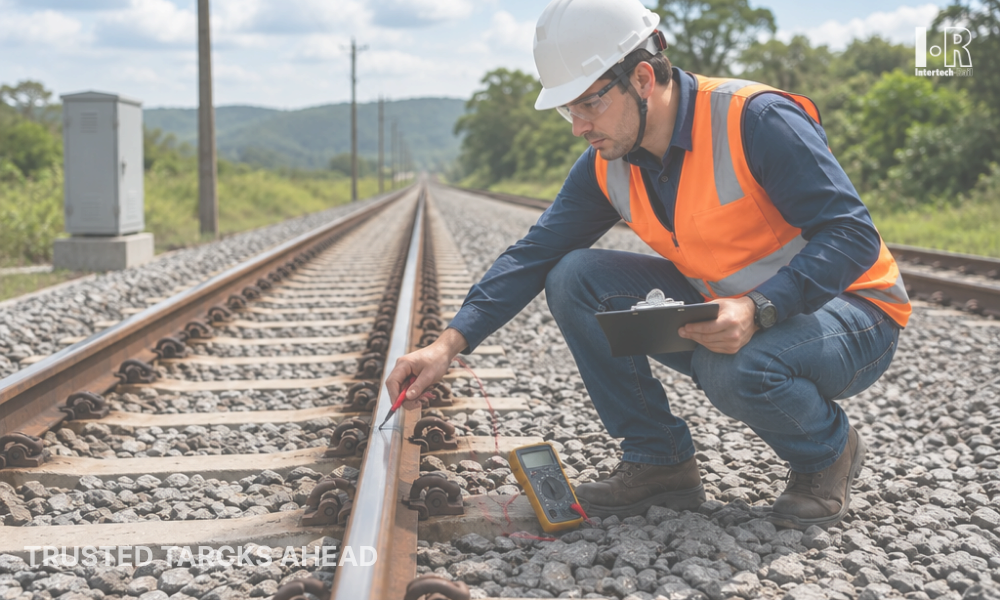
Anyone who has spent time maintaining railway signaling eventually notices something that maintenance schedules don't always explain.
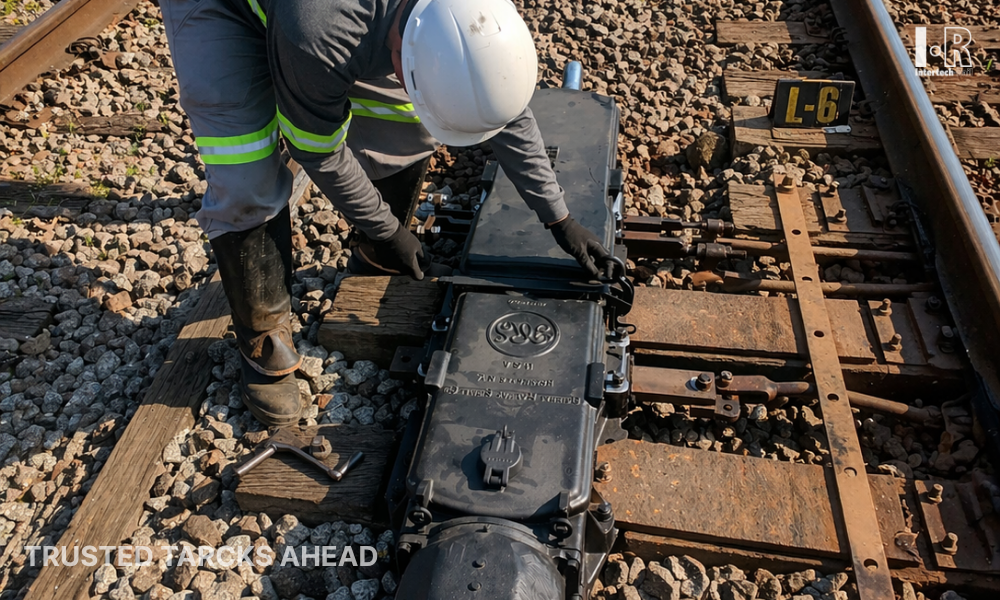
Two identical point machines can leave the factory together, be installed during the same possession, and follow the same maintenance schedule for years. Even so, it's not unusual for one to remain in excellent condition while the other begins showing subtle signs of wear much earlier.
Anyone involved in signaling maintenance has seen situations like that.
It's one of the reasons many railroads have started paying closer attention to how assets are actually behaving in service rather than simply how long they've been installed. Inspection intervals still matter, of course, but today's signaling systems can provide far more information than maintenance teams had available only a few years ago.
How Is Condition-Based Maintenance Different from Traditional Approaches?
For many years, maintaining signaling equipment was largely a matter of following the calendar. If an inspection was due, the work was scheduled. It was a sensible approach and, in many cases, it still works well.
The difficulty is that signaling assets don't all experience the same operating conditions. A point machine handling constant traffic through a busy junction lives a very different life from one installed on a lightly used branch line. Weather plays a role too. So do vibration, contamination, drainage, and countless other local conditions that rarely appear in a maintenance manual.
That's where condition-based maintenance of railway signaling begins to change the way engineers think. Instead of assuming every asset follows the same pattern, the equipment itself starts providing clues about its condition.
Which Signaling Assets Benefit Most from CBM?
Some assets simply reveal more about their condition than others.
Track circuits, point machines, level crossing systems, relays, power supplies, and wayside electronics all leave small traces as they begin to deteriorate. The challenge is recognizing those traces before they become failures.
Sometimes it's nothing more than a motor drawing slightly more current than it did a few months earlier. By itself, that doesn't necessarily indicate a problem. Combined with slower operating times or recurring alarms, however, it starts telling a much more interesting story.
Data Sources for Condition-Based Maintenance
Every maintenance decision is only as good as the information behind it.
No single measurement tells an engineer everything that needs to be known.
Electrical signatures may indicate increasing mechanical resistance. Current and voltage profiles help explain how equipment behaves during operation. Event logs reveal how often unusual conditions occur, while alarm histories and environmental sensors provide additional context. Looking at only one source rarely answers the question. Looking at all of them together usually gets us much closer.
Maintenance records often reveal things that nobody noticed while the equipment was actually in service. A group of failures appears after long periods of heavy rain. Certain assets become less reliable during rapid temperature changes. Equipment installed in one location consistently performs differently from identical units somewhere else.
Those patterns rarely stand out during a normal workday. They become much easier to recognize once enough operating history has accumulated.
That is where railway asset health monitoring begins to provide practical value instead of simply generating reports.
Implementing CBM in Practice
One common misconception is that a CBM rail signaling program starts with installing sensors.
In reality, it usually starts with simpler questions. Which assets fail most often? Which failures disrupt operations the most? Where is reliable condition data already available?
Once those answers are clear, monitoring can be introduced where it delivers the greatest benefit. There's rarely a need to instrument every asset at once. Most railroads begin with their highest-risk equipment and expand the program as confidence grows.
The success of predictive maintenance for signaling is rarely measured by the number of sensors installed or the amount of data collected.
Sensors, monitoring software, and analytics certainly make the work easier. But they're only part of the picture.
The real objective hasn't changed. Maintenance teams still want to prevent failures before they interrupt railway operations, reduce unnecessary emergency callouts, and plan maintenance when it's actually needed instead of simply when the calendar says so.
When that starts happening consistently, condition-based maintenance no longer feels like a separate engineering project. It simply becomes the normal way of maintaining a modern signaling system.
GO DEEPER ON THESE TRACKS: Condition-based maintenance becomes even more effective when operational performance, safety analytics, and customer visibility are connected through reliable rail data. Explore What Is Rail Yard Performance Management? The Complete Guide to Turning Yard Data into Operational Results to understand how performance metrics support maintenance decisions, discover How Can Rail Yards Use Operational Data to Detect Near-Misses and Improve Safety Performance? for additional ways to identify operational risks, and review How Can Railroads Use Yard Data to Provide Real-Time Customer Visibility Portals? to learn how dependable operational data improves customer communication. These related articles are already published or will be available soon.
What is Signaling and how does it work?
Railway signaling is the system used to control train movements across a network safely. It combines signals, track circuits, relays, switch machines, and control systems to communicate movement authority and track conditions. By continuously monitoring train positions and route status, signaling systems help prevent conflicts and ensure trains operate safely and efficiently.
Why is Signaling important for modern railway operations, and what challenges can it solve and what benefits does it provide?
Signaling is fundamental to railway safety, capacity, and reliability. It helps prevent collisions, protects work zones, manages train spacing, and supports efficient traffic flow. Modern signaling systems also reduce operational delays, improve network utilization, and provide operators with greater control over increasingly complex rail operations.
What technologies are commonly associated with Signaling?Título ou pergunta
Common signaling technologies include track circuits, axle counters, fail-safe relays, interlocking systems, switch machines, wayside signals, centralized traffic control (CTC), communications-based train control (CBTC), positive train control (PTC), and condition monitoring systems. Digital communications and remote diagnostics are also becoming increasingly important within modern signaling environments.
What Intertech Rail solutions are available for Signaling?
Intertech Rail provides signaling-related solutions, including fail-safe relays, relay sockets and plugboards, switch machines, wheel sensors, and railway control hardware. These products support signaling infrastructure used in interlockings, track circuits, route control systems, and other safety-critical railway applications.
Share article