How Can Automated Rail Yard Event Logs Improve Billing Accuracy and Exception Resolution?
Understanding Automated Yard Event Logging
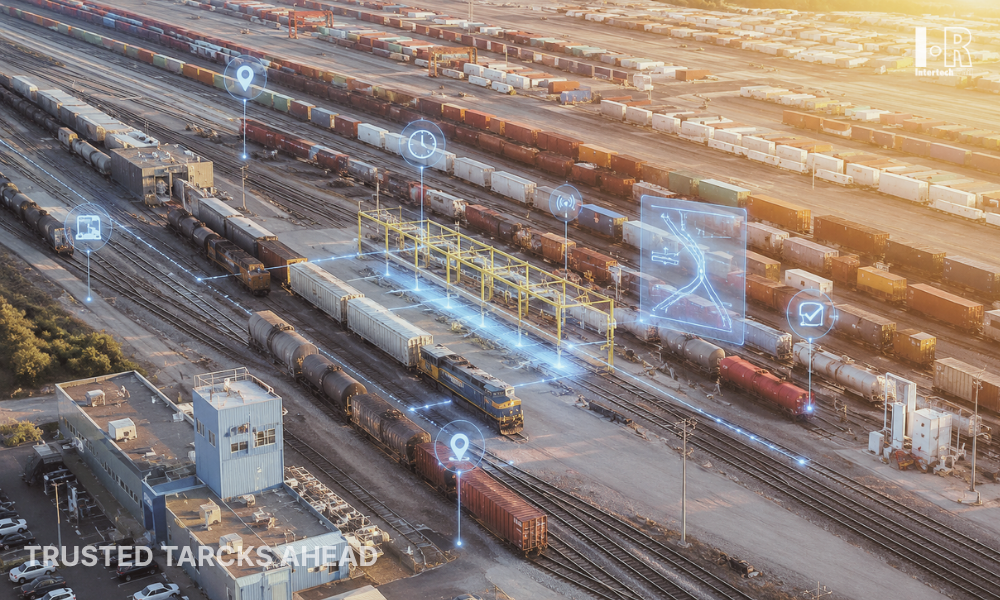
Anyone who has had to look into a billing dispute a few weeks after a train left the yard knows how frustrating the process can become. One person remembers the train arriving late in the evening. Someone else is convinced the interchange happened the next morning. The paperwork tells a slightly different story.
By that stage, the hardest part usually isn't solving the problem—it's agreeing on what actually happened.
That's one reason automated event logging has become such a practical improvement for freight operations. Instead of piecing together information from notebooks, spreadsheets, radio conversations, and shift reports, operators can review a single record that has been built automatically as the work unfolded.
What Is an Automated Rail Yard Event Log?
One way to think about rail yard event logs is as the yard's operational memory.
Every arrival, departure, handoff, classification move, and reclassification leaves a record behind. A single event doesn't reveal much by itself, but as those events accumulate throughout the day, they create a detailed history of how trains and railcars moved across the property.
Most modern yards generate these records through AEI readers connected to Yard Management Systems. Every successful identification quietly adds another entry to that history. Nobody has to stop what they're doing to record it manually. Later, if questions come up about a particular railcar or train movement, the information is already there instead of depending on who happened to be working that shift.
What Types of Data Are Stored in an Event Log?
A typical record includes the car ID, train ID, track location, timestamp, travel direction, and any exception codes generated during the operation. Some railroads also associate crew activities or work orders with those events.
Looking at a single record won't explain very much. Start following the events in the order they occurred, though, and the operation begins to make sense. Delays that seemed unrelated suddenly connect. An unexpected move explains why another train departed later than planned. The sequence often answers questions that individual records never could.
Automated event logs are most powerful when integrated into a complete yard management platform. Learn more in
"Railway Yard Management Software Integration: Connecting Yard Control, AEI, and Wheel Sensors for Better Operational Visibility," then discover how the
Intertech Rail Yard Management Software helps convert operational data into better decisions, improved billing accuracy, and faster exception resolution.
The Impact of Event Logs on Billing Accuracy
Few areas benefit from accurate operational records as quickly as billing.
When thousands of railcars move through a network every week, estimating dwell time or transfer responsibility simply isn't good enough. Small differences in timing can translate into significant billing adjustments.
Accurate event records improve demurrage billing accuracy because every calculation is supported by documented operational activity instead of assumptions or manually reconstructed timelines.
How Do Event Logs Reduce Billing Disputes?
Disagreements are part of freight rail operations. They always have been.
What has changed is how quickly they're resolved.
Every identification event is tied to a specific place and time, giving everyone involved the same reference point. Instead of comparing handwritten notes or trying to remember what happened during a busy shift, operators can review the recorded sequence together.
The same operational history also proves useful during audits. Since the information was captured as part of normal yard activity, there is usually no need to gather documents from different departments or search through old emails. Whether the request comes from a customer, a regulator, or an internal review, the supporting records are already available.
Using Event Logs for Exception Resolution
Most operational problems don't begin with one major mistake.
More often, several small events gradually combine into something much larger. A train arrives late. A track assignment changes. A railcar waits longer than expected before its next move. None of those situations is unusual on its own, but together they often explain why the operation unfolded differently than planned.
This is where freight rail exception management benefits from automated event logging.
When supervisors investigate a delayed, misrouted, or misplaced railcar, they no longer need to assemble information from several independent sources. The movement history is already organized in the same order in which the events occurred.
As weeks and months of operational history accumulate, recurring issues become much easier to recognize. Certain locations consistently generate delays. Specific operating windows produce more exceptions than others. Those observations help shift attention away from individual incidents and toward improving the underlying process.
The value extends beyond day-to-day operations as well. The same event history supports reporting, finance, and business intelligence systems without requiring duplicate data entry. Over time, that growing operational record becomes an important resource for improving decision-making, strengthening automated rail billing, and giving railroads greater confidence in the information they rely on every day.
GO DEEPER ON THESE TRACKS: Accurate event logging is most effective when integrated into a broader operational strategy. Explore Which Rail Yard KPIs Matter Most for Measuring Automation ROI? A Practical Guide for Freight Operators to learn how event data supports performance measurement, discover What Is Rail Yard Performance Management? The Complete Guide to Turning Yard Data into Operational Results for a structured management approach, and review How Can Rail Operators Reduce Railcar Dwell Time with Real-Time Yard Visibility? to see how operational visibility improves efficiency. These related articles are already published or will be available soon.
What is Yard Management and how does it work?
Yard management is the process of monitoring, organizing, and controlling railcar movements within rail yards and terminals. It involves tracking asset locations, managing switching activities, monitoring dwell times, and maintaining accurate records of yard operations to support efficient train building and asset utilization.
Why is Yard Management important for modern railway operations, what challenges can it solve, and what benefits does it provide?
Rail yards are critical operational hubs where delays can quickly affect network performance. Effective yard management helps reduce congestion, improve switching efficiency, increase track utilization, shorten dwell times, and provide more accurate information for operational planning, customer service, and billing activities.
What technologies are commonly associated with Yard Management?
Yard management systems commonly use AEI, RFID, railcar tracking technologies, operational databases, mapping interfaces, mobile applications, automated event logging, and analytics platforms. Increasingly, railroads are using real-time data to automate yard processes and improve operational decision-making.
What Intertech Rail solutions are available for Yard Management?
Intertech Rail offers Rail-ID® Yard Management solutions that automatically capture railcar movements and operational events. By combining AEI infrastructure, RFID technology, and centralized software, the platform helps railroads improve yard visibility, track utilization, consist management, and operational efficiency.
Share article