How Can Automated Rail Yard Event Logs Improve Billing Accuracy and Exception Resolution?
What Are Rail Yard Event Logs?
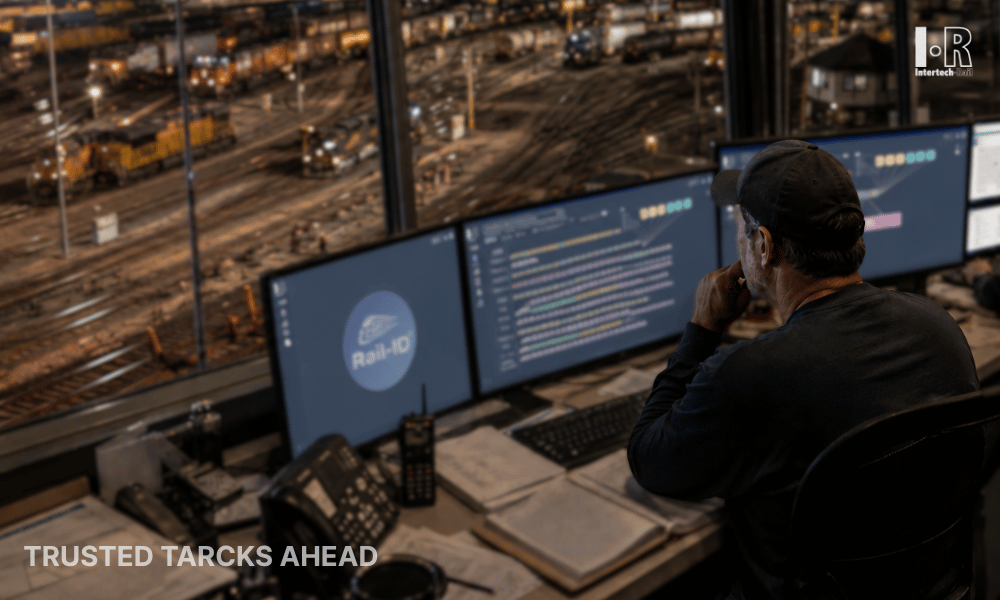
Every freight yard already generates operational events continuously. Cars arrive, switch crews reposition cuts, outbound trains depart, and interchange traffic moves between terminals. The challenge is not the absence of information. It is the reliability of the records attached to those movements.
That distinction matters more than many people realize.
In practical railroad operations, Rail yard event logs are the chronological records that document what happened to a railcar, where it happened, and exactly when the event occurred. A proper event log captures arrival, classification, placement, release, pull, and departure activities automatically, usually tied to timestamps, track locations, and verified car identity.
Without consistent logging, operational history becomes partially interpretive instead of factual.
And that creates problems very quickly.
Which Operational Events Should a Yard Record Automatically?
At a minimum, a modern yard should automatically capture:
- Arrival and departure times
- Track assignment changes
- Placement and pull events
- Car identification
- Movement direction
- Crew or locomotive interaction points
The more manual intervention required to confirm these activities, the greater the probability of conflicting records later.
I have seen yards where operators were still updating car movements from handwritten notes hours after switching activity finished. Understandably, discrepancies accumulated throughout the shift. Especially during heavy traffic periods.
Why Are Manual Event Records Hard to Trust?
Manual logging introduces delays naturally. Crews prioritize train handling first, paperwork second. That is operational reality.
As a result, timestamps become approximate, movement sequences get reconstructed from memory, and missing updates start affecting both operations and commercial systems downstream.
Small inconsistencies eventually turn into larger disputes.
How Automated Logs Improve Billing Accuracy
One of the least discussed operational benefits of automation is its impact on Freight rail billing accuracy.
Billing systems depend heavily on verified operational milestones. If placement times are incorrect or release events are missing entirely, detention calculations, service windows, and customer invoices become questionable almost immediately.
How Do Verified Events Support Faster Billing Cycles?
Automated event collection creates a defensible audit trail.
When every movement is timestamped automatically, finance and operations teams spend far less time reconciling disagreements between yard records, customer reports, and interchange data. Service completion becomes easier to validate because the event sequence already exists in chronological form.
Not reconstructed afterward.
This also improves Automated rail yard reporting, especially in terminals managing high car volumes across multiple shifts.
How Event Logs Improve Exception Resolution
Operational exceptions are unavoidable in freight railroading. Cars get delayed, misrouted, or temporarily lost within congested terminals. The difference is how quickly the problem can be isolated and corrected.
GO DEEPER ON THESE TRACKS: Explore how rail operators are improving yard efficiency, reducing railcar delays, and measuring the real impact of automation through operational data and performance visibility in What Is Rail Yard Performance Management? The Complete Guide to Turning Yard Data into Operational Results, How Can Rail Operators Reduce Railcar Dwell Time with Real-Time Yard Visibility?, and Which Rail Yard KPIs Matter Most for Measuring Automation ROI? These related articles are already published or will be available soon.
What Happens When a Car Is Delayed, Misrouted, or Missing?
Accurate event trails allow supervisors to trace the last confirmed movement, identify where delays started, and determine whether the issue came from switching, inventory inaccuracies, interchange timing, or customer release problems.
That is the foundation of effective Yard exception management.
Without a reliable event history, railroads often spend more time debating what happened than solving the actual operational issue.
Need more accurate operational records for billing validation and exception handling? Intertech Rail’s Rail-ID Software, and Yard Management, help rail operators automate railcar event tracking, improve movement history visibility, and generate more reliable operational data to support billing accuracy, audit processes, and faster exception resolution across yard operations.
What is Yard Management and how does it work?
Yard management is the process of monitoring, organizing, and controlling railcar movements within rail yards and terminals. It involves tracking asset locations, managing switching activities, monitoring dwell times, and maintaining accurate records of yard operations to support efficient train building and asset utilization.
Why is Yard Management important for modern railway operations, and what challenges can it solve, and what benefits does it provide?
Rail yards are critical operational hubs where delays can quickly affect network performance. Effective yard management helps reduce congestion, improve switching efficiency, increase track utilization, shorten dwell times, and provide more accurate information for operational planning, customer service, and billing activities.
What technologies are commonly associated with Yard Management?
Yard management systems commonly use AEI, RFID, railcar tracking technologies, operational databases, mapping interfaces, mobile applications, automated event logging, and analytics platforms. Increasingly, railroads are using real-time data to automate yard processes and improve operational decision-making.
What Intertech Rail solutions are available for Yard Management?
Intertech Rail offers Rail-ID® Yard Management solutions that automatically capture railcar movements and operational events. By combining AEI infrastructure, RFID technology, and centralized software, the platform helps railroads improve yard visibility, track utilization, consist management, and operational efficiency.
Share article