How Can Rail Operators Reduce Railcar Dwell Time with Real-Time Yard Visibility?
What Is Railcar Dwell Time and Why Does It Matter?
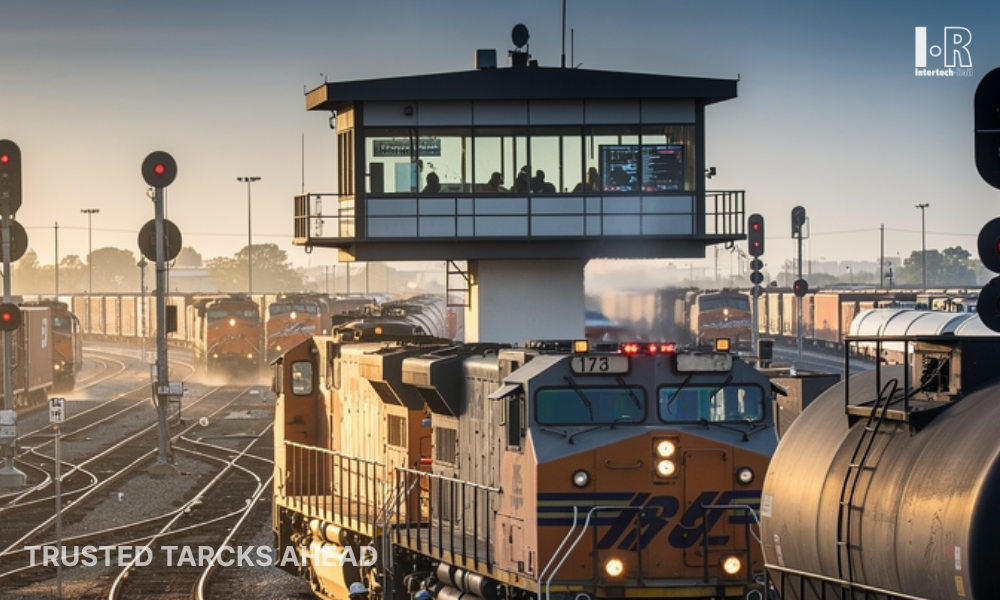
Anyone who has spent time inside a busy freight terminal knows that railcars rarely stop moving for just one reason. Delays accumulate quietly. A missed pull. A blocked track. A switch crew waiting for confirmation that never comes. Then suddenly the yard feels saturated, even when physical capacity still exists.
That is the operational reality behind Rail yard dwell time.
In simple terms, dwell time measures how long a railcar remains inside the terminal between arrival and departure-related activities. On paper, the calculation looks straightforward. In practice, it becomes one of the clearest indicators of yard efficiency, crew coordination, and data quality.
And when dwell starts increasing across multiple tracks, other problems usually follow.
How Is Dwell Time Measured in a Freight Yard?
Most railroads calculate dwell using operational milestones such as gate-in, placement, pull, release, and outbound departure. The issue is not defining the events. The issue is capturing them accurately and consistently.
I have seen yards where two different departments reported different dwell numbers for the same group of cars because timestamps were entered manually hours after the movement occurred.
That happens more often than people think.
Why Hours of Idle Time Become Operational Cost
A few extra hours may not sound dramatic at first. But multiplied across hundreds or thousands of cars, the operational impact becomes substantial.
Excessive dwell affects locomotive utilization, switch crew productivity, interchange commitments, and customer confidence. It also increases exposure to Freight yard congestion, especially during peak traffic periods or weather disruptions.
Once congestion spreads across classification tracks, recovery becomes difficult and expensive.
How Real-Time Visibility Reduces Dwell Time
The biggest operational improvement usually appears when crews stop searching for information and start acting on verified data.
That is the practical value of Real-time yard visibility.
What Changes When Operators Know Where Every Car Is?
When inventory accuracy improves in real time, switch planning becomes faster and far more reliable. Yardmasters can prioritize outbound blocks correctly, dispatchers reduce unnecessary radio coordination, and crews spend less time physically hunting for misplaced equipment.
Small delays disappear before they grow into larger operational problems.
One thing becomes very noticeable in well-automated yards: movement feels smoother. Less hesitation. Fewer conflicting instructions. Better track utilization.
Early Alerts for Cars Waiting Too Long in the Wrong Location
Automated alerts also help identify cars approaching excessive dwell thresholds before service failures occur. This is especially important for hazardous materials, customer-priority shipments, or interchange traffic operating under strict timing requirements.
Without visibility, those exceptions often remain hidden until someone manually discovers the problem hours later. Sometimes the delay is not operational at all. It is informational.
Want to improve real-time yard visibility and reduce unnecessary railcar dwell time? Yard Management and Rail-ID Software from Intertech Rail help rail operators centralize operational data, automate freight car tracking, and gain a clearer view of daily yard activity. Readers interested in learning more can also explore related articles such as What Is Rail-ID® Yard Management? The Complete Guide to Automated Freight Car Identification and Control and Railway Yard Management Software Integration: Connecting Yard Control, AEI, and Wheel Sensors for Better Operational Visibility, both focused on improving operational visibility and yard efficiency through integrated rail technologies.
Measuring the Result of Dwell Time Reduction
The most useful performance indicators tend to be straightforward:
- Average dwell time
- Dwell variance
- Throughput
- On-time departure performance
Operators trying to reduce railcar dwell time should compare these metrics before and after visibility improvements are implemented. Not just once, but consistently over several operating cycles.
Because sustainable yard performance is rarely about one major change.
Usually, it comes from removing dozens of small inefficiencies that were previously invisible.
GO DEEPER ON THESE TRACKS: Explore how railroads are using operational data to improve yard efficiency, measure automation performance, and strengthen event-based decision-making in What Is Rail Yard Performance Management? The Complete Guide to Turning Yard Data into Operational Results, Which Rail Yard KPIs Matter Most for Measuring Automation ROI?, and How Can Automated Rail Yard Event Logs Improve Billing Accuracy and Exception Resolution? These related articles are already published or will be available soon.
What is Asset Visibility, and how does it work?
Asset visibility refers to the ability to monitor the location, condition, status, and utilization of physical assets across an operation. In rail environments, this includes rolling stock, maintenance equipment, containers, and other critical resources. Data is gathered automatically and consolidated into systems that provide a unified operational view.
Why is Asset Visibility important for modern railway operations, and what challenges can it solve, and what benefits does it provide?
Without reliable asset visibility, organizations often struggle with asset utilization, inventory control, and operational planning. Improved visibility helps reduce uncertainty, improve resource allocation, support maintenance activities, and provide stakeholders with accurate information about asset availability and operational status.
What technologies are commonly associated with Asset Visibility?
Asset visibility programs often combine RFID, AEI, GPS tracking, condition monitoring systems, IoT sensors, enterprise software, analytics platforms, and operational dashboards. Integrating multiple data sources allows organizations to gain a more complete understanding of asset performance and utilization.
What Intertech Rail solutions are available for Asset Visibility?
Intertech Rail provides identification, tracking, and data management solutions that support asset visibility initiatives. Through the Rail-ID® ecosystem, operators can capture movement events, maintain asset records, and improve access to operational data across railway networks and facilities.
Share article