What Is Rail Yard Performance Management? The Complete Guide to Turning Yard Data into Operational Results
Defining Rail Yard Performance Management
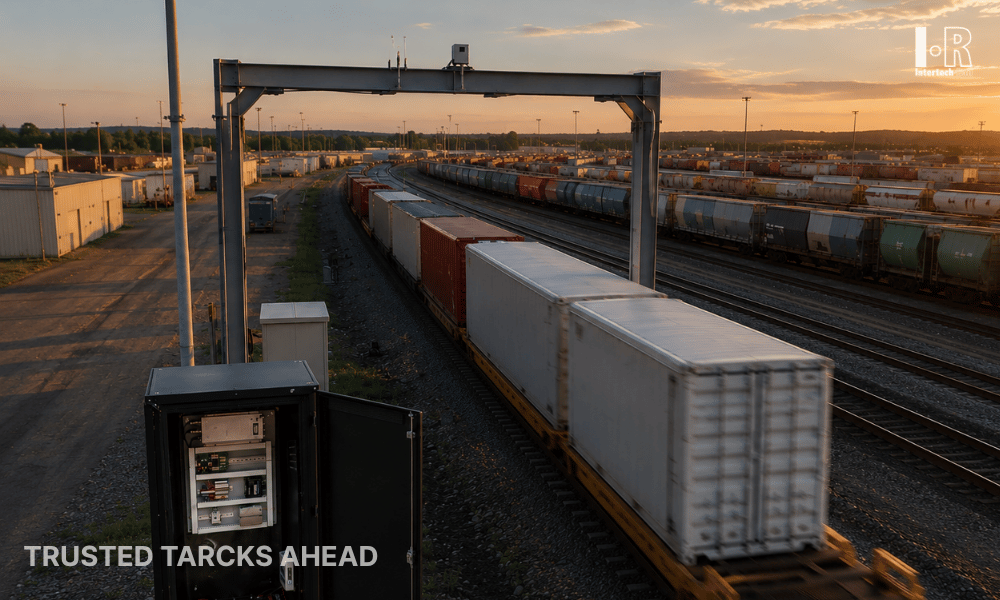
Ask almost anyone responsible for running a freight yard what makes a shift successful, and the answers will vary. One supervisor might point to trains leaving on schedule. Another will talk about keeping dwell time under control. Someone else may be more concerned about avoiding unnecessary switch moves.
They're all looking at the same operation, just from different angles.
That is exactly why performance management matters. A busy yard generates thousands of operational events every day, but those events only become useful when they help explain what is working, what is slowing the operation down, and where improvements are realistically possible. Collecting data is relatively easy. Knowing what to do with it is the harder part.
What Does "Performance Management" Mean in a Rail Yard Context?
In practical terms, rail yard performance management is a continuous process rather than a monthly review.
The work starts on the ground. Cars arrive, crews classify trains, locomotives move between assignments, and unexpected situations force changes to the original plan. Every one of those activities leaves information behind.
Most of the time, nobody notices the pattern while the shift is still underway. Once several days or weeks of operating history are available, however, recurring issues become much easier to recognize. A classification track fills up earlier than expected. Certain trains consistently spend longer in the yard. A particular workflow creates more rework than anyone realizes.
Those observations are far more valuable than a report filled with isolated numbers.
What Are the Core Components of a Performance Management Program?
Reliable information is the starting point.
Most railroads don't rely on a single source of information anymore. AEI readers, RFID infrastructure, dispatching systems, wayside sensors, and even manual shift reports all contribute something different. One source may explain where a railcar is, and another helps explain why it stayed there longer than expected.
It's only when those pieces are viewed together that the operation starts to make sense.
Collecting data isn't usually the difficult part anymore. Most modern systems do that automatically. The harder conversation starts afterwards: which numbers are actually worth paying attention to? It's easy to keep adding new metrics over time, but sooner or later somebody has to decide which ones really help run the yard and which ones are simply filling another dashboard.
A good yard management KPI framework is built around those priorities rather than around the amount of data available.
The conversation around those numbers is where the real value appears. Sometimes a KPI confirms what everyone already suspected. Other times it challenges long-held assumptions about how the yard is operating. Either way, the discussion usually leads to better decisions than the dashboard alone ever could.
The Role of Technology in Yard Performance Management
Ask someone who has worked in rail operations for twenty years what changed the most, and chances are they won't mention faster computers or better dashboards. They'll probably talk about how much easier it has become to understand what's happening while the operation is still unfolding.
Years ago, comparing information from different departments could easily turn into its own investigation. Dispatch had one version of the story, the yard office had another, and maintenance records sometimes suggested something different again. Just figuring out which report was correct could take longer than solving the original problem.
Today, Yard Management Systems combine live operational information with historical records, making it easier to understand both current conditions and the sequence of events that led to them. When Rail-ID®, AEI readers, and back-office systems exchange information, far less time is spent checking whether the data is correct.
Another practical advantage is timing. Instead of discovering a problem during tomorrow's performance review, supervisors often notice it while the shift is still unfolding. A classification track starts filling faster than expected. Dwell time begins creeping up. Traffic slows in one part of the yard. Small signals like these allow the operations team to react before they grow into larger disruptions.
Implementing a Performance Management Cycle
Significant freight yard performance improvement usually doesn't happen all at once. In most cases, it's the result of dozens of small adjustments that gradually reshape how the yard operates. Some changes produce immediate benefits. Others don't work as expected and end up teaching something equally valuable.
That's fairly typical in rail operations. Not every adjustment delivers the result people expect, and that's perfectly normal. What matters is being able to look back a few weeks later and answer a simple question: did things actually improve, or did the yard just have a couple of easier operating days?
I've seen operations where nearly every meeting introduced another KPI. The intention was good, but after a while, the dashboards became so crowded that nobody could immediately tell which indicators really mattered. Most experienced managers eventually move in the opposite direction. They keep the handful of KPIs they genuinely use and let the rest fade into the background.
The same balance applies to rail yard data analytics. Analytics are exceptionally good at uncovering trends that would otherwise go unnoticed, but they don't replace the experience of someone who has spent years running a freight yard. Numbers explain part of the story. The people responsible for the operation provide the context behind those numbers. The strongest performance management programs bring those two perspectives together, making better decisions possible without losing sight of how the railroad actually operates.
GO DEEPER ON THESE TRACKS: Turning rail yard data into measurable operational results also strengthens maintenance strategies, safety initiatives, and customer visibility. Explore What Is Condition-Based Maintenance in Railway Signaling? A Practical Guide to Reducing Unplanned Failures to learn how operational data supports proactive maintenance, discover How Can Rail Yards Use Operational Data to Detect Near-Misses and Improve Safety Performance? for data-driven safety improvement strategies, and review How Can Railroads Use Yard Data to Provide Real-Time Customer Visibility Portals? to see how operational intelligence enhances customer service. These related articles are already published or will be available soon.
What is Yard Management and how does it work?
Yard management is the process of monitoring, organizing, and controlling railcar movements within rail yards and terminals. It involves tracking asset locations, managing switching activities, monitoring dwell times, and maintaining accurate records of yard operations to support efficient train building and asset utilization.
Why is Yard Management important for modern railway operations, what challenges can it solve, and what benefits does it provide?
Rail yards are critical operational hubs where delays can quickly affect network performance. Effective yard management helps reduce congestion, improve switching efficiency, increase track utilization, shorten dwell times, and provide more accurate information for operational planning, customer service, and billing activities.
What technologies are commonly associated with Yard Management?
Yard management systems commonly use AEI, RFID, railcar tracking technologies, operational databases, mapping interfaces, mobile applications, automated event logging, and analytics platforms. Increasingly, railroads are using real-time data to automate yard processes and improve operational decision-making.
What Intertech Rail solutions are available for Yard Management?
Intertech Rail offers Rail-ID® Yard Management solutions that automatically capture railcar movements and operational events. By combining AEI infrastructure, RFID technology, and centralized software, the platform helps railroads improve yard visibility, track utilization, consist management, and operational efficiency.
Share article