What Is Rail-ID® Yard Management? The Complete Guide to Automated Freight Car Identification and Control
Understanding Rail-ID® Yard Management
What Problem Does Rail-ID® Solve in Freight Operations?
If you spend enough time in a freight yard, you start noticing the same pattern. People rely on experience, radio calls, handwritten notes, and sometimes even memory. It works, but not cleanly.
Manual identification still sits at the core of many yard management system freight operations. And that’s where things begin to drift. A wrong digit in a reporting mark, a missed confirmation, a delayed update. Small issues, until they are not.
I’ve seen trains held for over an hour because one car was placed incorrectly in the consist record. Nobody noticed until the departure check. That kind of inefficiency is not rare.
Older barcode-based approaches tried to improve this. In practice, they struggle. Dirt, weather, bad angles. In a yard environment, they simply don’t hold up as a reliable railcar identification system.
What Is Rail-ID® and How Does It Work?
Rail-ID® is built around automatic equipment identification rail principles using RFID. Each car carries a passive tag. No battery, no maintenance cycle tied to power.
As trains move through the yard, fixed readers capture that data. No need to stop. No need for line-of-sight alignment. That is what enables consistent frase in real conditions.
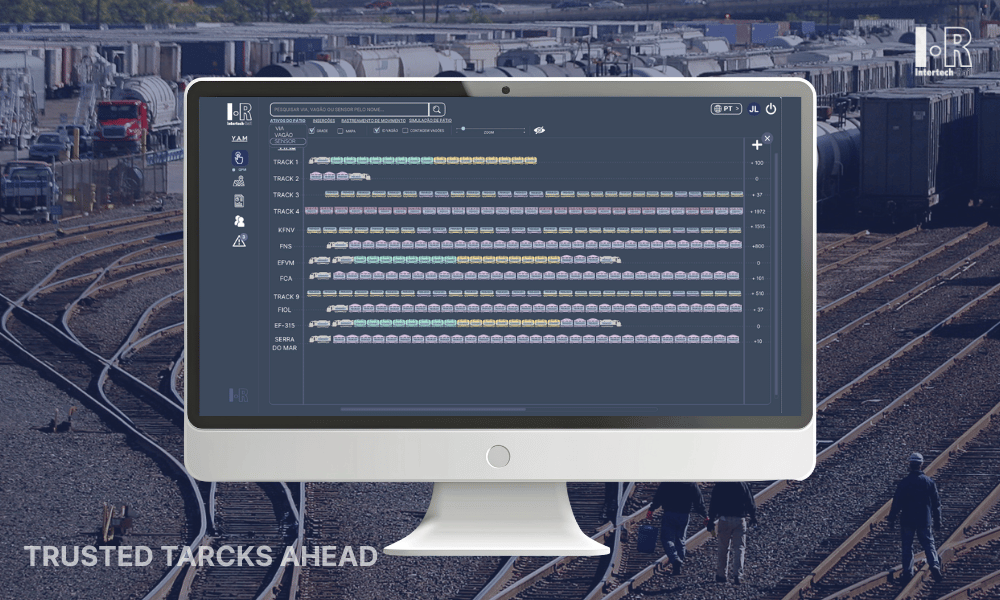
The raw reads are only part of the story. What matters is how the system processes them. Data is sent to a central server, validated, organized, and turned into something operations can actually use.
From an engineering standpoint, reliability comes from repetition. One read is useful. Multiple consistent reads across different points are what build trust in the system.
Who Uses Rail-ID® Yard Management Systems?
Freight operators are the obvious users, but not the only ones. Intermodal terminals, mining rail systems, port connections. Anywhere there is asset movement and handoff between processes. In more complex environments, the value becomes clearer. The more variables you have, the more you need certainty.
GO DEEPER ON THOSE TRACKS: You might also find it useful to read How Does RFID Technology Work in Freight Yard Identification? Explore What Is a Yard Management System? How Automated Identification Transforms Freight Operations, or compare approaches in AEI vs. GPS vs. Manual: Which Train Car Tracking Method Is Right for Your Operation.
Core Features and Capabilities of Rail-ID®
What Does Rail-ID® Actually Do in a Yard?
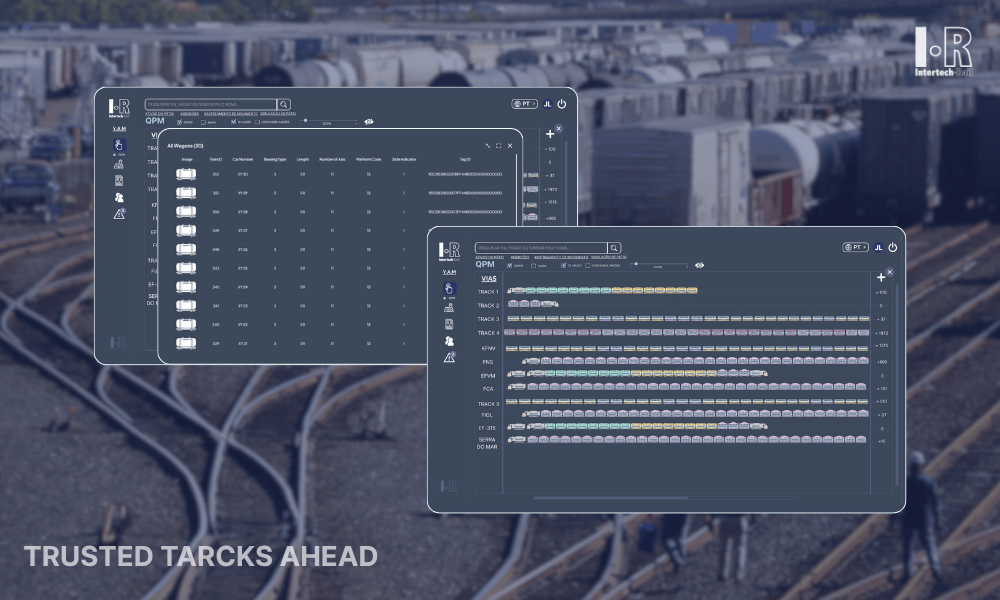
In simple terms, it removes guesswork. Rail-ID® identifies each car automatically, logs its movement, and updates its position without human input. That alone changes how a yard operates.
It becomes possible to run true freight yard automation, not just partial digitalization layered on top of manual processes. Train composition is verified as it forms. Departure checks are faster. And more importantly, errors are caught early, not at the last minute.
What Types of Data Does Rail-ID® Capture?
Beyond identification, the system records timestamps, direction, and sequence. Over time, this builds a traceable history.
That history is not just for reporting. It becomes critical when something goes wrong. Instead of reconstructing events, you review them.
How Does Rail-ID® Connect with Other Systems?
Rail-ID® integrates with existing platforms. TMS, ERP, and billing systems. The data doesn’t stay isolated.
Once connected, identification data feeds planning, operations, and customer visibility. At that point, it stops being just a detection tool.
Benefits and Business Impact of Rail-ID®
How Does Rail-ID® Improve Operational Efficiency?
The first impact is straightforward. Manual counting disappears.
Crews spend less time verifying and more time executing. Dwell time starts to drop. Throughput improves, sometimes faster than expected.
What Are the Safety Benefits of Automated Car Identification?
There is also a safety layer that becomes evident over time.
Accurate, consistent data support inspections and brake tests. Hazardous material tracking becomes more reliable. And fewer people need to be physically exposed in active yard zones.
What Is the Return on Investment for Rail-ID® Systems?
ROI typically comes from multiple directions at once. Labor savings, fewer errors, better asset utilization.
In most real deployments, the gains are not theoretical. They show up in daily operations within months.
Implementation and Getting Started
What Infrastructure Is Required for Rail-ID®?
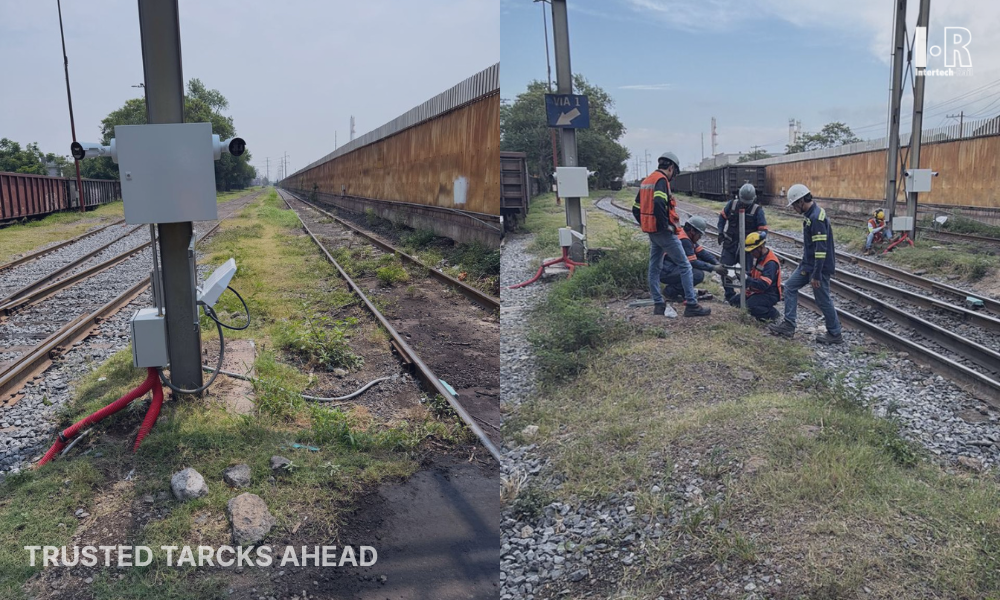
Implementation involves reader installation, communication infrastructure, and tag deployment.
Coverage planning is critical. Missed read zones can compromise the system if not addressed early.
How Long Does a Rail-ID® Implementation Take?
Smaller yards can be deployed relatively quickly. Larger networks usually require a phased rollout.
Testing is not optional. It is where real-world performance is confirmed.
What Support Does Intertech Rail Provide After Installation?
Long-term performance depends on ongoing support. Diagnostics, updates, and field service.
Over time, the system becomes part of daily operations. And once that happens, going back to manual identification is not really an option anymore.
Share article