How Does RFID Technology Work in Freight Yard Identification? A Practical Explanation for Rail Operators
RFID Basics for Freight Rail Applications
What Is RFID and Why Is It Used in Rail Yards?
Spend a few hours in a working yard, and you start to notice a pattern. Nobody really has time to stop a train just to confirm what is on it. Everything keeps moving. It has to.
That is where RFID freight rail identification stops being a “nice to have” and becomes practical.
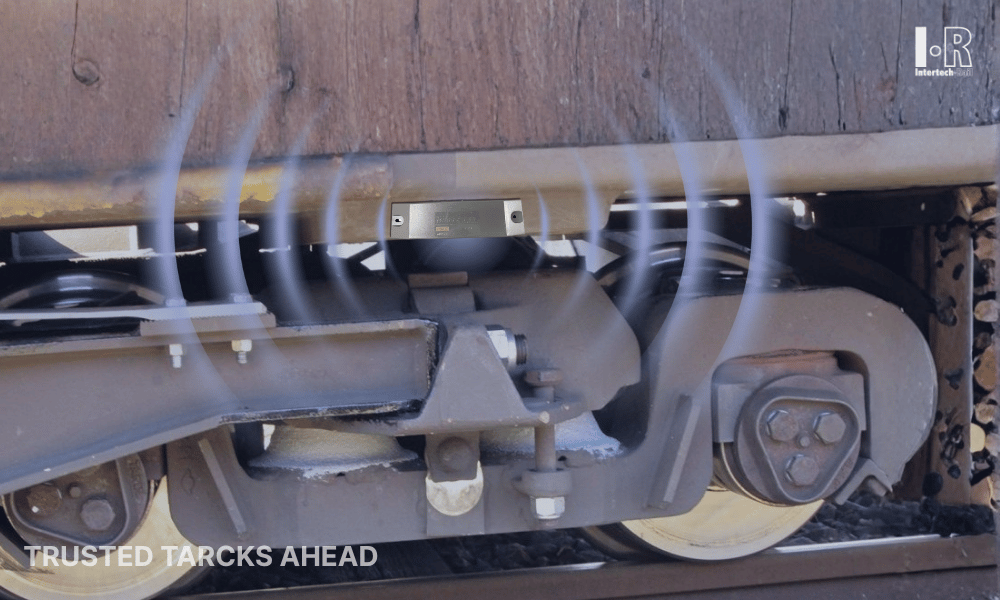
RFID works through radio signals between a reader and a tag mounted on the railcar. No alignment, no visual scan. Dirt, rain, low light, none of that really gets in the way. Which, in a yard, matters more than people expect.
Compared to manual checks or barcode scanning, the difference is not subtle. Systems based on automatic train identification technology allow continuous reading while the train is moving. That alone changes how operations feel on the ground.
How Does an RFID Tag Store Car Information?
A standard railcar RFID tag follows AAR specifications for Automatic Equipment Identification. It carries a coded identifier tied to the reporting mark and car number. What makes it work long-term is simplicity. These tags are passive. No batteries, no regular replacement cycle. They respond when energized by the reader signal.
In practice, that reduces failure points. Once installed properly, they tend to stay there and do their job without much attention.
How the Reading Process Works:
What Happens When a Train Passes a Trackside Reader?
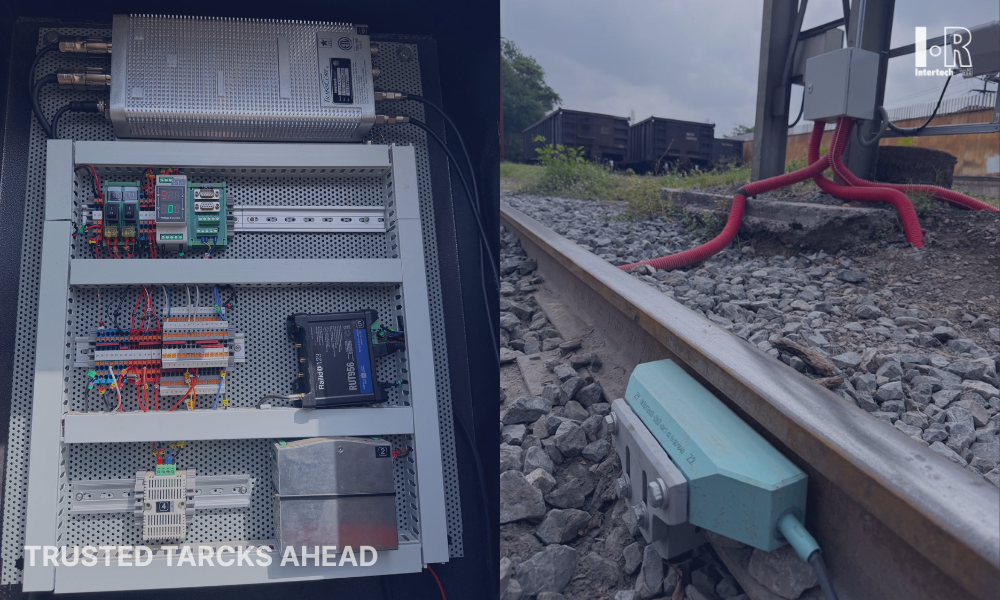
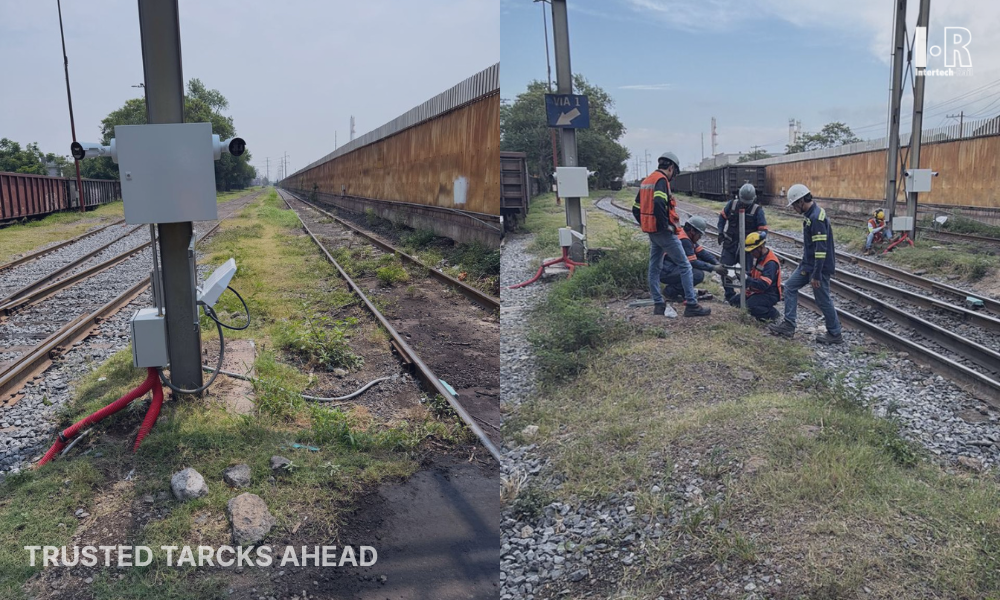
As a train passes a trackside RFID reader, the antenna creates a signal field. Tags entering that zone respond almost instantly.
In real conditions, multiple tags are read at the same time. That is where anti-collision protocols come in. Without them, the data would overlap and become unreliable.
From experience, the important part is not just reading once. It is reading consistently, every time the train passes. That is what makes the system usable day to day.
How Does the System Know Which Direction the Train Is Moving?
Direction is usually determined using two antennas. The system compares the order in which tags are detected and infers movement.
It also builds the consist sequence. If a read is missed, the system does not just fail. It fills the gap using surrounding data.
That detail is easy to overlook. In real operations, it is what keeps the data usable.
GO DEEPER ON THESE TRACKS: If you want to see how RFID is applied in real operations, take a look at What Is Rail-ID® Yard Management? The Complete Guide to Automated Freight Car Identification and Control, explores how it fits into broader systems in What Is a Yard Management System? How Automated Identification Transforms Freight Operations, or compare it with other tracking methods in AEI vs. GPS vs. Manual: Which Train Car Tracking Method Is Right for Your Operation?
From Raw Data to Actionable Information
How Is RFID Data Processed and Delivered to Users?
A common question from operators is still the same: how does AEI system work after the read happens?
The answer sits in the backend. Data is sent to a central server, filtered, and validated. From there, it is distributed to other systems.
Some operations need real-time updates. Others work with batch processing. It depends on how the yard is managed. At the end of it, the goal is simple. Not more data. Better data.
What Are the Limitations of RFID in Yard Environments?
RFID is reliable, but not perfect. Metal interference can affect signal behavior if antennas are not positioned correctly. Tags can suffer damage over time, especially in harsher environments. Missed reads do happen, though less frequently in well-designed systems.
In practice, these limitations are managed through redundancy, good installation practices, and periodic maintenance.
RFID does not simplify the yard itself. It makes it more predictable. And in rail operations, predictability often matters more than speed.
Share article