Level Crossing Upgrade Planning: How to Prioritize Barriers, Semaphores, and Detection Systems for Safer Operations
Why Does Level Crossing Modernization Require Planning?
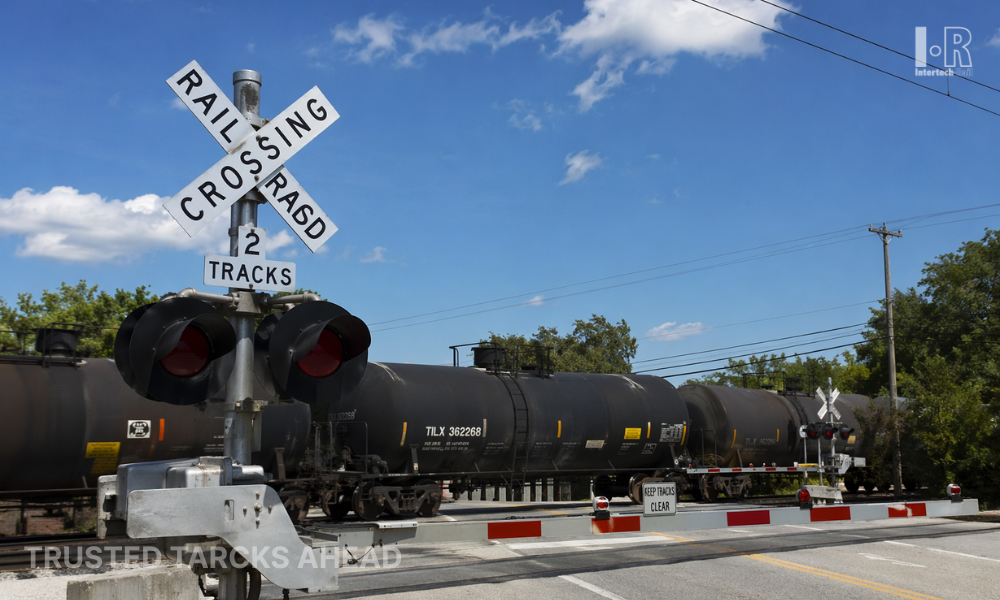
The Complexity of Level Crossing Risk
In the field, a level crossing railway rarely behaves exactly the way it looks on a drawing. On paper, everything seems clear. In reality, things are a bit different.
Some crossings look simple but turn out to be more problematic than expected. A quiet road, for example, can still be risky if visibility is limited or if drivers are not used to stopping there. On the other hand, busy crossings bring a different kind of pressure.
Traffic Density and Visibility
Traffic matters, of course. But it is not just about volume. It is about behavior.
In some locations, drivers slow down naturally. In others, they do not. Even with the same infrastructure, the level of risk can feel very different.
Operational Variables
Train operations also play a role. Speed, frequency, braking distance. These factors change over time, sometimes without much notice. What worked before may not be enough later.
The Cost of Delayed Upgrades
Safety Risks and Public Exposure
When upgrades are postponed, the impact is not always immediate. Things continue working, more or less. But small issues start to appear.
A light that is less visible. A barrier that feels slower than before.
We saw something similar on one crossing a few years ago. Nothing looked critical at first, just slightly slower barrier movement. A few weeks later, drivers had already started ignoring it.
This is where railway crossing safety becomes a real concern, not just a design objective.
Operational Disruptions
From the railway side, unreliable crossings often lead to restrictions. Trains slow down. Procedures change. None of this is ideal, but it happens more often than expected.
Why Prioritization Matters
Budget Constraints
In practice, not every crossing can be upgraded at once. That is simply how projects work.
Maximizing Safety Impact
So the question becomes where to start. High traffic crossings are an obvious choice, but not always the only one. Sometimes the priority is the location where equipment is already showing signs of wear. Good railway safety upgrades usually begin with these decisions.
What Systems Are Critical for Upgrades?
Barriers and Protection Systems
Vehicle and Pedestrian Control
A railway barrier system is often the first thing people notice at a crossing. It creates a physical limit. When it goes down, the message is clear. But it needs to work properly. Every time.
Reliability Considerations
In the field, barrier issues are rarely dramatic at first. Movement becomes slightly uneven. Timing feels off. Small things. Then, over time, they become more visible.
Warning Systems and Semaphores
Visibility for Road Users
Warning lights and semaphores only work if people actually see them. That sounds obvious, but in practice, visibility can change depending on weather, sunlight, or even surrounding structures.
Signal Integration
A railway signaling crossing depends on coordination. If the warning activates too early, people ignore it. Too late, and it becomes unsafe.
Detection Technologies
Train Detection Accuracy
Reliable railway detection systems are what make everything else work. They determine when the crossing activates. If detection is not accurate, nothing else really matters.
Responsive Activation Systems
In more advanced setups, activation adapts to the train itself. Speed, position, timing. It is not fixed. And that usually makes a big difference.
Upgrading a level crossing railway is not only about adding new equipment. It is about understanding how the crossing behaves in real conditions.
When barriers, warning systems, and detection all work together, the system feels predictable. And when it feels predictable, it usually is safer. That is what makes the difference in the long run.
Share article