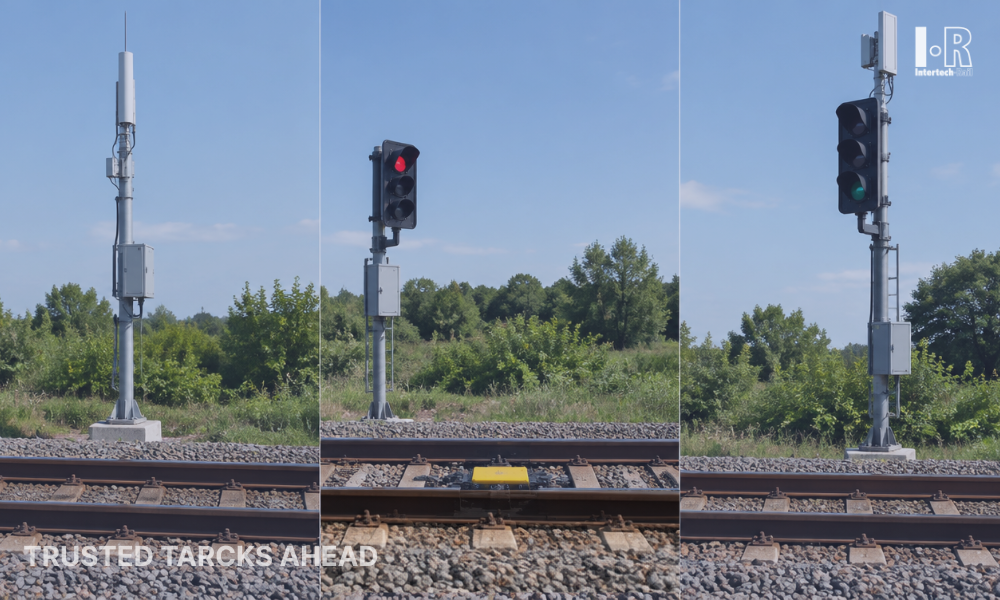
Switch Machines and Needle Detectors: Early Warning Signs That Help Prevent Field Failures
Why Is Switch Reliability Critical in Rail Operations?
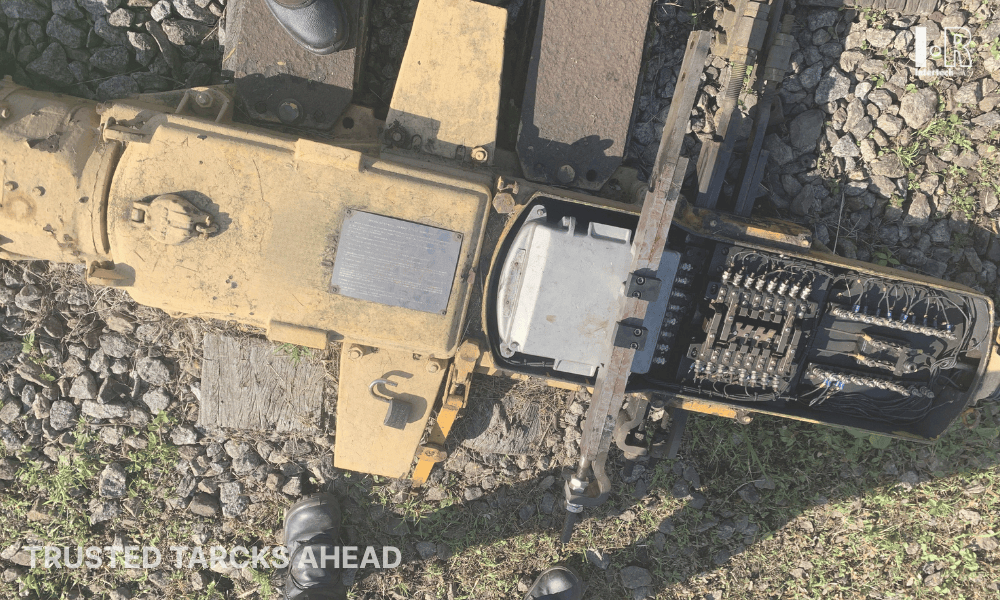
The Function of Switch Machines
In everyday operations, the switch machine railway is one of those components that only gets attention when something goes wrong. Until then, it quietly performs a critical task, moving and locking the turnout so trains can follow the correct route.
Moving and Securing Turnouts Safely
A switch machine does more than move rails from one position to another. It must do it with enough force to overcome resistance, then hold that position securely under load. In a railway turnout system, even a small deviation can affect how the wheel interacts with the rail.
In practice, most issues do not appear suddenly. Movement may become slightly slower. Force may increase without being immediately noticeable. These are early signs, easy to miss if no one is looking closely.
Ensuring Operational Continuity
When the switch performs reliably, operations remain smooth. When it does not, delays follow quickly. A single malfunctioning railway signaling switch can impact an entire section of the network.
The Role of Needle Detectors
Confirming Correct Positioning: If the switch machine provides movement, the needle detector railway confirms the result. It verifies that the switch rails are fully in position and properly aligned. This confirmation is not optional. The signaling system depends on it to authorize train movements.
Preventing Unsafe Movements: From field experience, many incidents are not caused by complete failures, but by borderline conditions. A rail that is almost in position, but not quite. A detection signal that flickers under certain conditions. These situations highlight why accurate detection matters. It is the last check before a route is considered safe.
Consequences of Undetected Failures
Safety Risks and Delays
When early signs go unnoticed, the result is often a combination of safety risk and operational disruption. Incorrect detection can force the system into restrictive modes, or in worst cases, allow unsafe conditions.
Cost of Reactive Maintenance
Reactive maintenance tends to be more expensive and less predictable. A failure in the field usually means service interruption, urgent repair, and sometimes repeated intervention.
How to Identify Early Warning Signs?
Mechanical and Electrical Indicators
Wear, Force Variations, and Movement Issues: Over time, mechanical wear becomes visible. Increased resistance, unusual noise, or slight delays in movement often indicate that something is changing inside the mechanism. In a switch machine railway, these changes may appear gradually. That is why periodic measurement and observation matter.
Signal and Detection Inconsistencies: Detection signals can also reveal early issues. Intermittent readings, delayed confirmations, or unexpected behavior from a needle detector railway should not be ignored. Often, these are the first signs of a developing problem.
Environmental Factors
Moisture, Dust, and Temperature Effects: Environmental exposure plays a significant role. Moisture can affect electrical contacts. Dust and debris may interfere with movement. Temperature variations change material behavior over time.
Long-term degradation: These factors rarely cause immediate failure. Instead, they contribute to gradual degradation, which eventually leads to railway field failures if not addressed.
Inspection Priorities
Key Monitoring Points: Effective inspection focuses on alignment, force, response time, and detection accuracy. These are the indicators that tend to change first.
Preventive Maintenance Practices: Good railway switch maintenance is based on consistency. Regular checks, small adjustments, and early intervention help prevent larger issues.
In the end, preventing failures in a railway turnout system is not about reacting quickly. It is about noticing small changes early. When switch machines and detection systems are monitored with attention, most problems can be addressed before they affect operations.
Share article