Railway Balise Maintenance and Commissioning: Best Practices for Reliable ATP and ATO Performance
Why Is Balise Reliability Critical in Train Control?
The Function of Balises in Railway Operations
In day-to-day railway work, the railway balise system is not something people talk about often. It is there, between the rails, doing its job. Just sitting there, really. Most of the time, no one even notices it.
But when it does not work as expected, the situation changes quickly. Anyone who has dealt with a train control balise in the field knows that small issues can turn into operational problems faster than expected.
Track to Train Communication Essentials
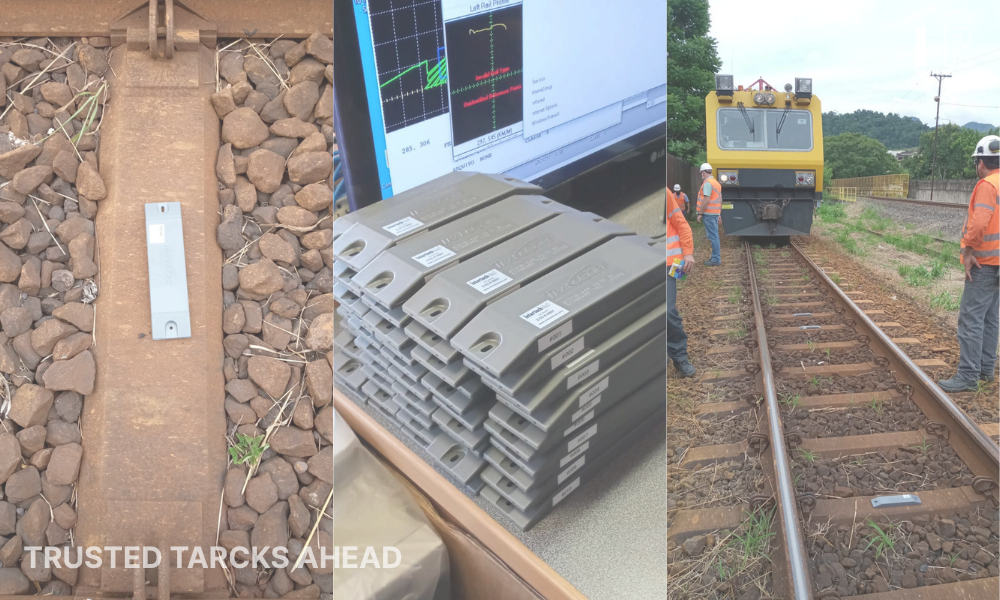
A balise is, in simple terms, a communication point. The train passes over it and reads the data. That data goes straight into the onboard system.
It sounds simple. And in a way, it is. Still, it needs to work every time. There is no real margin for inconsistency here.
In practice, what matters is that the data stays the same. No surprises, nothing unexpected.
Supporting ATP and ATO Functions
For ATP balise applications and ATO railway systems, that consistency is essential. The system depends on accurate positioning and timing.
If something is slightly off, the train reacts. Sometimes it slows down more than needed. Sometimes it behaves differently than expected. It depends on the situation.
Risks Associated with Poor Balise Performance
Data Integrity and Operational Reliability
Most problems with a railway signaling balise do not show up as a complete failure. They start small.
A weak read. A missed telegram once in a while. Something that does not look serious at first.
On one project, we saw this happen during winter commissioning. It looked like a minor issue at first, but after a few weeks in operation, it started affecting train response more than expected.
Then traffic increases, or conditions change, and those small issues start showing up more often. That is usually when people start noticing.
Safety and Availability Impacts
From an operational point of view, this can lead to unnecessary braking or reduced system performance.
It does not always stop operations, but it affects efficiency. Over time, that becomes noticeable.
The Importance of Proper Commissioning
Why Installation Quality Matters
Commissioning is where everything begins. If something is slightly off during installation, it usually stays that way. A balise may still work, but not exactly as it should.
Early Errors That Affect Long Term Performance
In many cases, when issues appear later, they can be traced back to installation details. Alignment, positioning, even how the equipment was handled. These things matter more than they seem at first.
What Are the Best Practices for Balise Systems?
Commissioning Procedures and Validation
Alignment, Placement, and Data Verification
Alignment needs to be precise. The balise has to be exactly where the onboard antenna expects it.
Close is not enough. Data should also be verified carefully. One incorrect value can affect how the system reads an entire section.
Testing Telegram Accuracy and System Response
Engineers usually run several passes to confirm that everything is working correctly. It is a simple step, but skipping it tends to create problems later.
Maintenance Strategies for Ongoing Reliability
Inspection Routines and Failure Prevention
Good balise maintenance railway practice is mostly about consistency. Regular checks, nothing complicated. Most issues can be spotted early, if someone is actually looking for them.
Environmental and Mechanical Considerations
Track conditions change over time. Vibration, weather, and movement all play a role. Even a properly installed balise can shift slightly after some time in operation.
Common Field Challenges
Misalignment, Wear, and Physical Damage: Misalignment is common. It can happen after maintenance work or gradual track movement.
Detecting Problems Before They Affect Operations: Experienced teams usually notice small changes first. A pattern that does not look right. A reading that feels off. That is often the first sign that something needs attention.
At the end of the day, keeping a reliable railway balise system working is not about complex solutions. It is about doing the basics right. And then doing them right again, every time.
Share article