Rail-ID and Tag Management for Rail Asset Intelligence: Turning Identification Data into Better Operational Decisions
Why Does Asset Intelligence Depend on Identification Quality?
The Importance of Reliable Tag-Based Identification
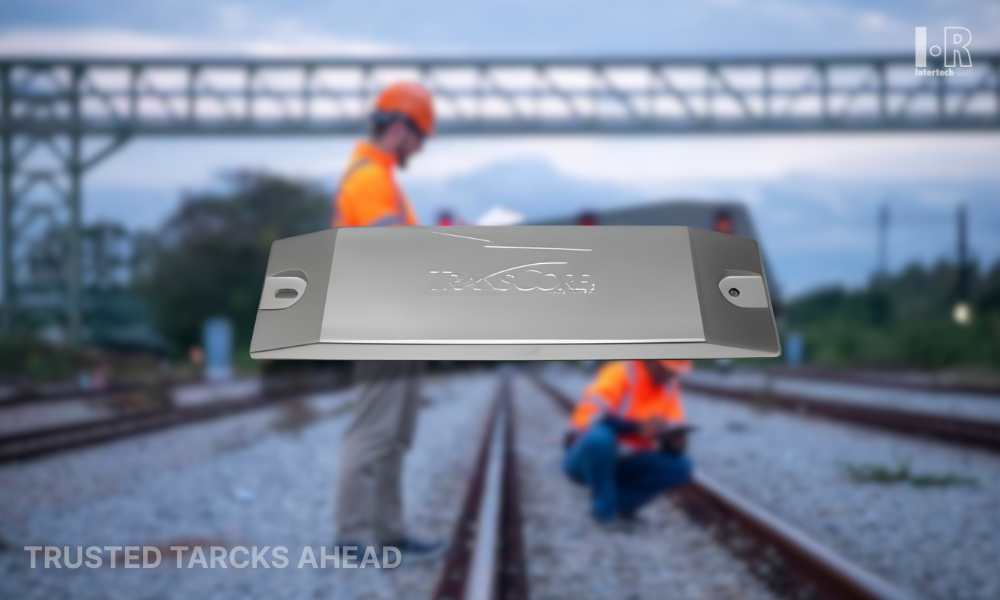
In modern rail operations, having data is no longer the challenge. The real issue is knowing whether that data can be trusted. A well-implemented Rail-ID system can provide constant visibility of assets moving across the network, but only if identification is consistent.
Asset Visibility Across Rail Operations
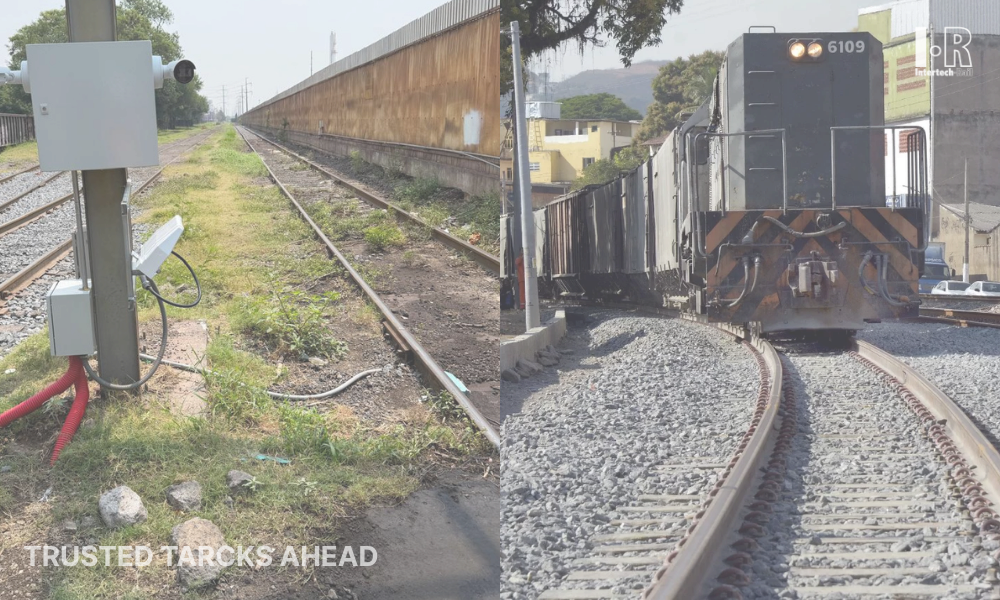
From the field perspective, asset visibility is rarely perfect. Locomotives, wagons, and maintenance equipment move through different environments, and each read point introduces a chance for variation. When the identification process works as expected, operations teams gain a clear view of where assets are and how they move.
That clarity is what supports effective railway asset intelligence.
Reducing Blind Spots in Equipment Monitoring
Blind spots tend to appear where identification becomes unreliable. Missed reads or duplicated events can create gaps in tracking. Over time, those gaps reduce confidence in the system, even if the technology itself is functioning correctly.
Challenges in Tag Management
Inconsistent Tag Reads and Data Gaps
Anyone who has worked with railway RFID management systems has seen this happen. Reads are not always perfect. Environmental conditions, equipment positioning, and tag condition all play a role. A single missed read may not matter. But when those small inconsistencies accumulate, the dataset becomes harder to interpret.
Asset Complexity Across Fleets and Networks
Rail networks are rarely uniform. Different fleets, legacy systems, and varying infrastructure standards create complexity. Managing tags across such environments requires more than just installation. It requires structured railway tag management.
From Data Collection to Operational Insight
Why Raw Reads Alone Are Not Enough
Collecting identification data is only the first step. Raw reads, on their own, do not provide actionable insight. Without context, they are just events. This is where many systems fall short. They capture data, but they do not always translate it into something operational teams can use.
Turning Identification Events into Action
To support decision making, identification events must be filtered, validated, and interpreted. This is what turns basic railway data tracking into meaningful operational information.
How Do Rail-ID Platforms Improve Operations?
Centralizing Identification Data
Aggregating Reads from Multiple Locations
A strong Rail ID system brings together data from multiple read points across the network. Instead of isolated events, operators see a continuous flow of asset movement.
Supporting Real-Time Monitoring
With centralized data, monitoring becomes more dynamic. Control rooms can track assets in near real time, which changes how decisions are made during daily operations.
Improving Decision Making with Asset Intelligence
Operational Visibility for Control Rooms
From experience, visibility is what makes the difference. When teams can see what is happening across the network, they respond faster and with more confidence.
Better Tracking, Analysis, and Response
Consistent identification data supports analysis over time. Patterns begin to emerge. Delays, bottlenecks, and inefficiencies become easier to identify.
This is where railway analytics starts to deliver real value.
Integrating Rail ID into Broader Systems
Linking with AEI, Yard Management, and Reporting Tools
Identification systems become more effective when connected to other platforms. Integration with AEI, yard systems, and reporting tools allows data to move beyond simple tracking.
Building a Connected Railway Operation
In the end, reliable railway asset intelligence depends on how well systems work together. Identification, processing, and analysis must be aligned.
When that happens, the railway moves from simply collecting data to actually using it.
Share article