Level Crossing Safety Equipment: Integrated Solutions with Barriers, Semaphores, and Detection Systems
The Critical Importance of Level Crossing Safety
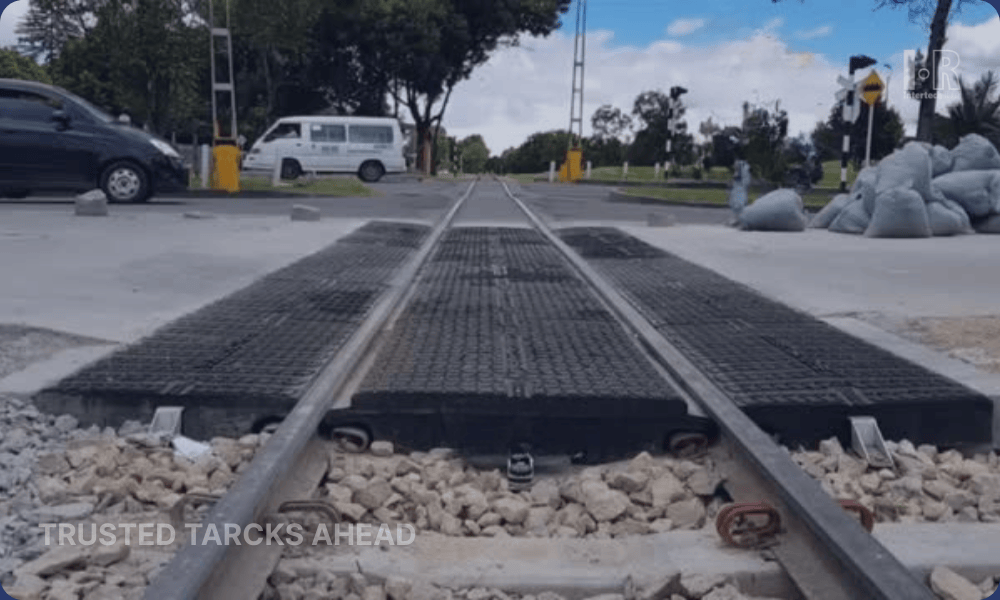
Level crossings are rarely discussed with enthusiasm inside engineering teams. They are discussed with caution. Everyone involved knows why. These are not controlled railway spaces; they are compromises. A crossing exists because full segregation was never built, postponed, or no longer feasible.
From experience, the discomfort does not come from technology itself. Most modern components work well. The discomfort comes from knowing that, at a crossing, safety depends on how clearly the system communicates with people who may not be paying attention at all.
That is why level crossing safety evolves slowly and pragmatically. Not in leaps, but in corrections.
Accident Statistics and Risk Factors
Leading Cause of Railway-Related Fatalities
When accident data is reviewed over time, one detail stands out: many serious railway accidents happen in places where nothing technically “failed.” Signals were active. Detection was present. Power was available.
What failed was judgment. Drivers assumed the train was farther away. Pedestrians believed the warning was premature. In practice, most level crossing accidents are not caused by missing equipment, but by warnings that were not trusted.
This is uncomfortable because it means engineers cannot rely on compliance alone. Systems must remain effective even when users are skeptical.
Economic and Social Impact
The disruption after a crossing accident is immediate. Rail traffic stops. Roads fill. Timetables collapse. What follows, investigations, repairs, and community pressure, often lasts much longer than the incident itself.
In many regions, repeated events at the same crossing eventually force upgrades that had been postponed for years. By then, decisions are reactive, not technical.
Regulatory Requirements
National and International Standards
Most regulations say the same thing in different languages: crossings must be fail-safe. If detection is lost, warnings must remain active. If communication fails, protection must not disappear quietly. This philosophy matters more than the specific standard referenced.
Risk Assessment and Classification
Not every crossing justifies the same level of protection. Exposure matters. Speed matters. Visibility matters. Once certain thresholds are crossed, passive protection stops being a defensible choice, regardless of cost arguments.
Mandatory Safety Equipment
In many networks today, automatic detection and active warning are no longer optional. Remote diagnostics are also becoming expected, largely because failures discovered late are worse than failures detected early.
Level Crossing Equipment Components
Train Detection and Warning Systems
Wheel Sensor-Based Detection
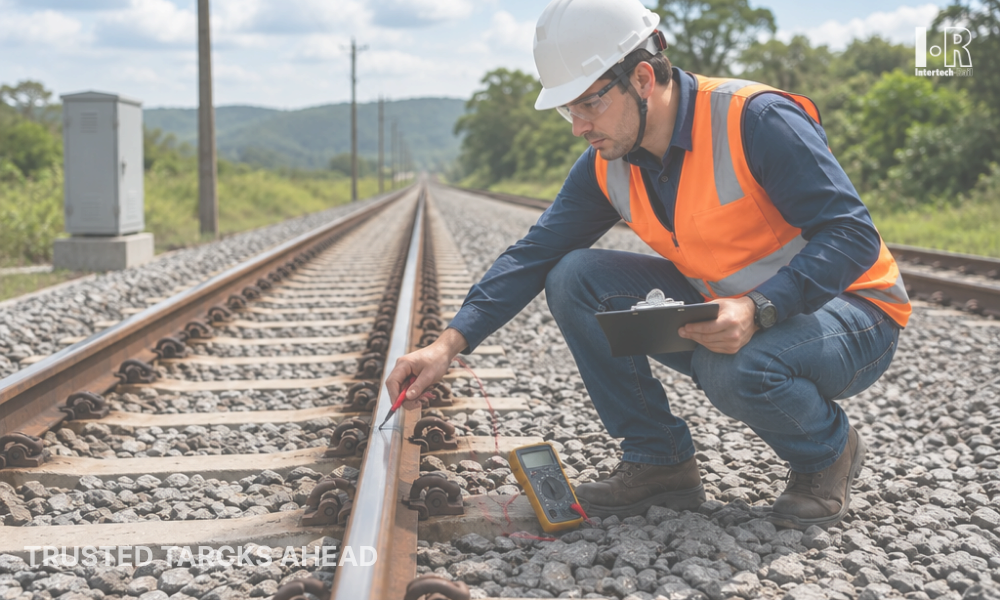
Wheel sensors are often chosen for simple reasons: they work, and they are predictable. By detecting axles directly, they avoid many of the uncertainties that appear in long track-based detection schemes, especially on lightly maintained lines.
In several recent crossing projects, including systems implemented by Intertech Rail, wheel sensors are used not because they are fashionable, but because they are stable and easy to reason about when things go wrong.
Constant Warning Time Technology
Inconsistent warning times undermine trust quickly. If one day the barrier closes far too early and the next day barely in time, users adapt in the worst possible way. Constant Warning Time systems exist largely to avoid that erosion.
Approach Prediction Systems
Prediction systems refine timing further, but their real value is subtle. Warnings that feel reasonable are taken seriously. Warnings that feel arbitrary are ignored.
Warning Devices and Signals
Flashing Lights and Semaphores
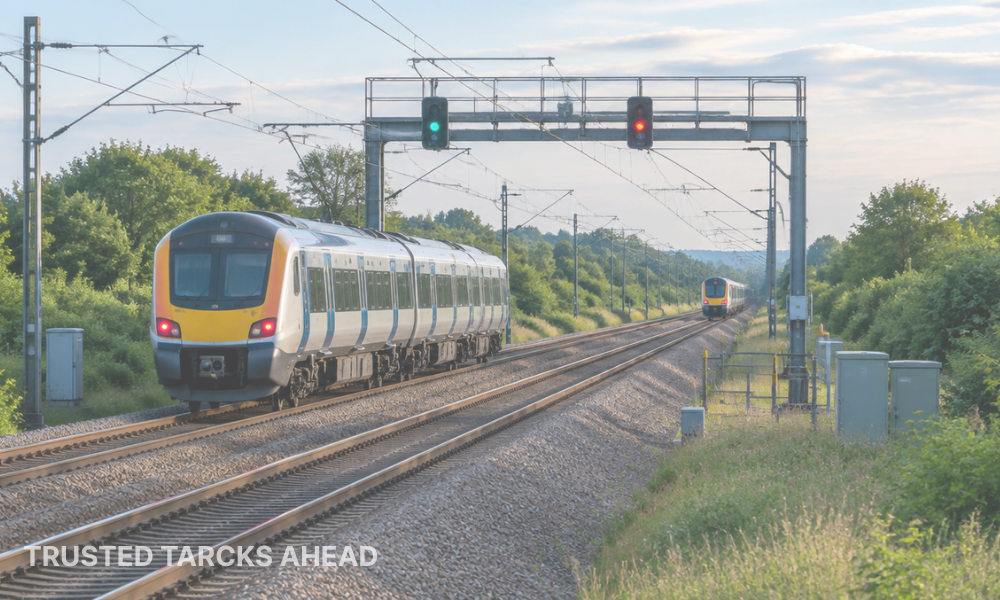
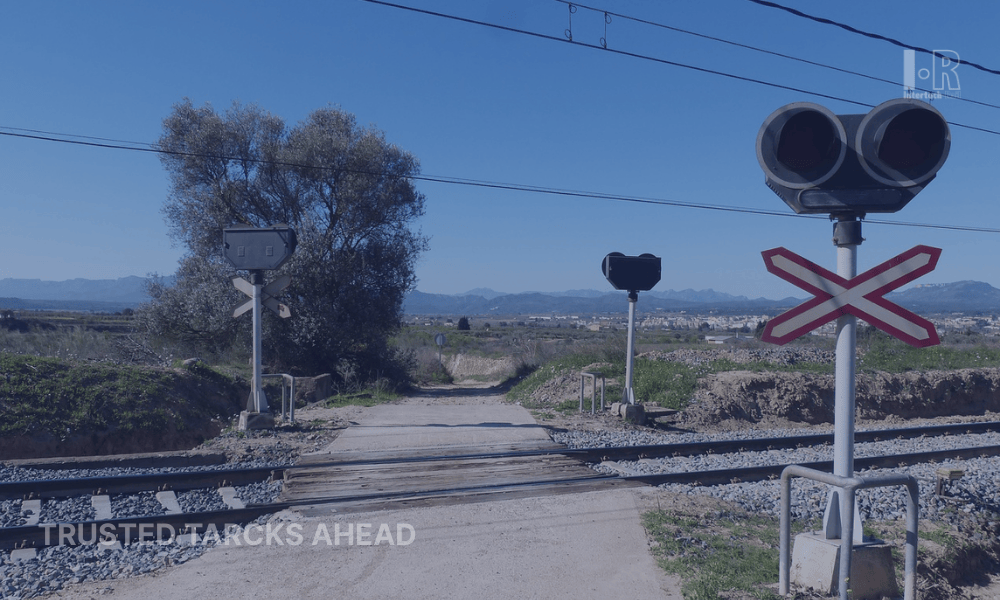
Flashing lights and semaphores remain effective, but only when they are clearly visible and properly positioned. Compliance alone does not guarantee visibility. Real environments are messy.
Audible Warning Devices
Audible warnings help, especially for pedestrians. At the same time, excessive noise creates resistance over time. Finding the balance is part engineering, part local knowledge.
LED Visibility Optimization
LED signals improved reliability in poor weather and harsh lighting. Their redundancy also matters. Signals do not usually fail all at once; they fade. LEDs slow that process.
In the end, level crossing safety is not about adding more equipment. It is about reducing uncertainty. Detection must be reliable. Warnings must be believable. Protection must remain active even when something upstream fails.
In the end. As railways continue to operate in shared environments, integrated crossing systems remain one of the few places where engineering must constantly account for human doubt. When these systems work well, they are rarely noticed. That, in itself, is often the best indicator of success.
Share article