What Is a Yard Management System? How Automated Identification Transforms Freight Operations
Understanding Yard Management in Freight Rail
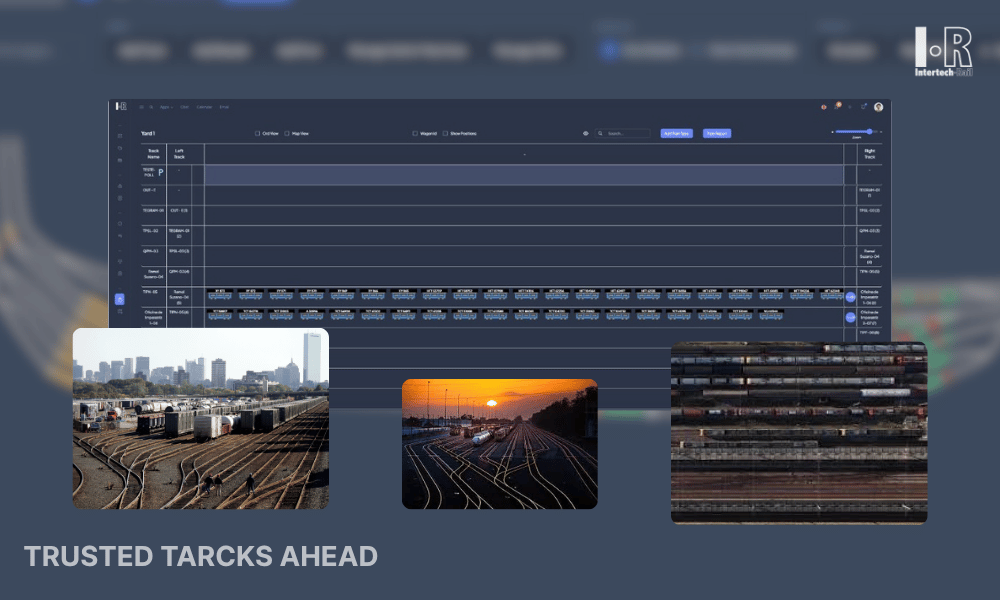
What Does a Yard Management System Actually Do?
Spend enough time inside a yard, and the pattern starts to show. The challenge is not moving trains. It is known at any given moment.
At its core, a yard management system exists to connect information with execution. It handles car tracking, switching, and classification, but more importantly, it keeps those elements aligned. Without that alignment, even well-structured freight yard operations begin to lose efficiency.
There is also a distinction that tends to get overlooked. A yard management system is not a transportation management system. One operates inside the yard. The other operates across the network. When the two are confused, decisions often become inconsistent.
Manual processes still play a role in many yards. Crews rely on radio calls, printed lists, and visual checks. It works, up to a point. After that, it becomes difficult to maintain consistency. That is one reason yards remain a bottleneck more often than expected.
What Are the Most Common Problems in Unautomated Yards?
The issues are rarely obvious at first. Cars are misplaced. Dwell time increases slowly. Instructions are followed, but not always in the intended sequence. Small things, taken individually. Together, they start to affect the entire flow.
Limited visibility makes it harder to react. Dispatchers work with partial information. Customers receive updates that are already outdated. At the same time, labor demand increases because verification depends on manual effort.
It is not a single failure. It is an accumulation.
How Automated Identification Changes the Equation
How Does Real-Time Car Identification Improve Yard Efficiency?
The first noticeable change is visibility. Not theoretical visibility, but immediate, operational awareness.
When every car location is known in real time, decisions become simpler. Crews spend less time confirming data and more time executing tasks. That shift alone begins to show the real yard automation benefits.
Train consist can be verified before departure instead of after delays occur. Switching plans becomes more adaptive, responding to actual conditions rather than assumptions.
In practice, the improvement is not always dramatic at once. It builds. And once it stabilizes, operations feel different.
What Metrics Improve After Implementing a Yard Management System?
One of the clearest indicators is railcar dwell time. With better coordination, idle time decreases in a measurable way.
Switching productivity improves as interruptions are reduced. Departure performance becomes more predictable, which has a direct impact beyond the yard itself. There are financial effects as well. Car hire and detention costs tend to decrease when movement becomes consistent.
Choosing the Right Yard Management Solution
What Should You Look for in a Yard Management System?
Selecting a system is not only about features. Integration is often the first real challenge. A solution needs to fit within existing infrastructure without creating new gaps.
Scalability is another factor. A system that works in a smaller yard may not behave the same way under higher traffic conditions. Reliability, especially in continuous operations, cannot be compromised.
Support over time is equally important, even if it is not always considered at the start.
How Does Rail-ID® Compare to Other Yard Management Approaches?
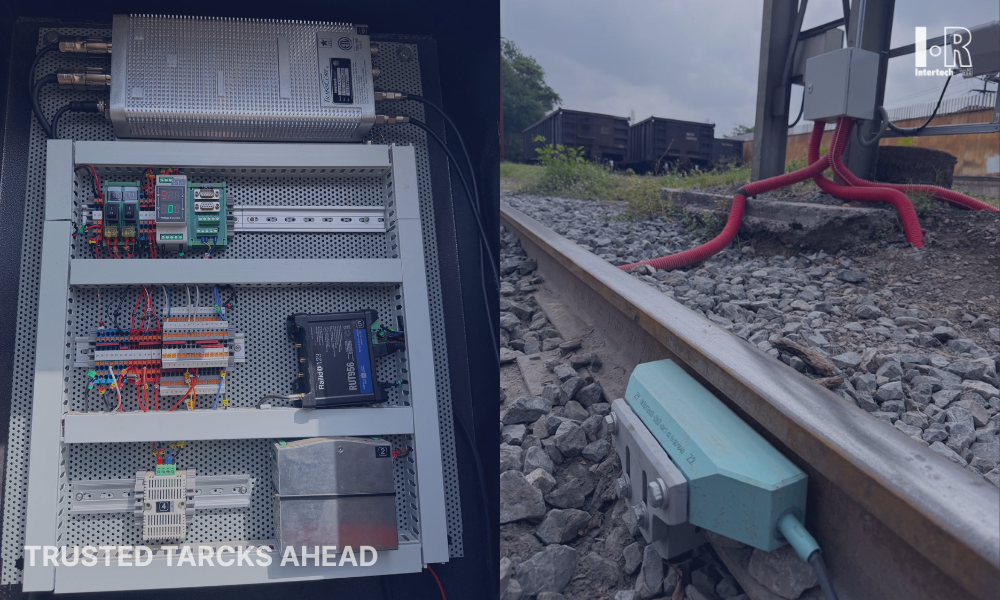
Different approaches address the problem from different angles. AEI based systems rely on fixed read points and consistent identification. GPS solutions offer broader tracking but can struggle in dense environments.
Architecture also matters. Some systems operate independently, others integrate into larger platforms.
The right choice depends on operational priorities and how the system fits into overall freight terminal management.
A yard management system does not remove complexity. It brings structure to it. And once that structure is in place, scaling operations becomes a very different challenge.
GO DEEPER ON THESE TRACKS: To better understand how these concepts come together in real operations, take a look at What Is Rail-ID® Yard Management? The Complete Guide to Automated Freight Car Identification and Control, explores the technical foundation at How Does RFID Technology Work in Freight Yard Identification. A Practical Explanation for Rail Operators, or compare different tracking approaches in AEI vs. GPS vs. Manual: Which Train Car Tracking Method Is Right for Your Operation?
Share article