How Do Railways Keep Running Safely When the Signaling System Fails?
How Railways Maintain Safe Operations During Signaling Failures

A signaling failure doesn't stop a railway, and that surprises people outside the industry more than it should. What actually happens is slower, more procedural, and a lot more dependent on trained people than anyone expects from a system this automated. Degraded mode railway operations exist precisely because a fail-safe system going safe isn't the end of the story; it's the start of a different one.
What degraded mode means
What happens the moment a safety system detects a fault?
The system goes to its fail-safe state: movements stop, and availability drops. That's the design working correctly, not a failure of it. Here's the distinction that matters most: "safe" and "operating" are not the same thing. A system stuck at red is perfectly safe and completely useless until someone intervenes.
Which failures most often trigger degraded operation?
Detection faults, interlocking faults, and communication loss cover most of it. Power failures and weather-driven events round out the list, and in my experience weather causes more degraded-mode days than any equipment defect does; storms just don't get the same engineering attention as a relay spec.
The procedures that keep traffic moving
How are movements authorized without normal signaling?
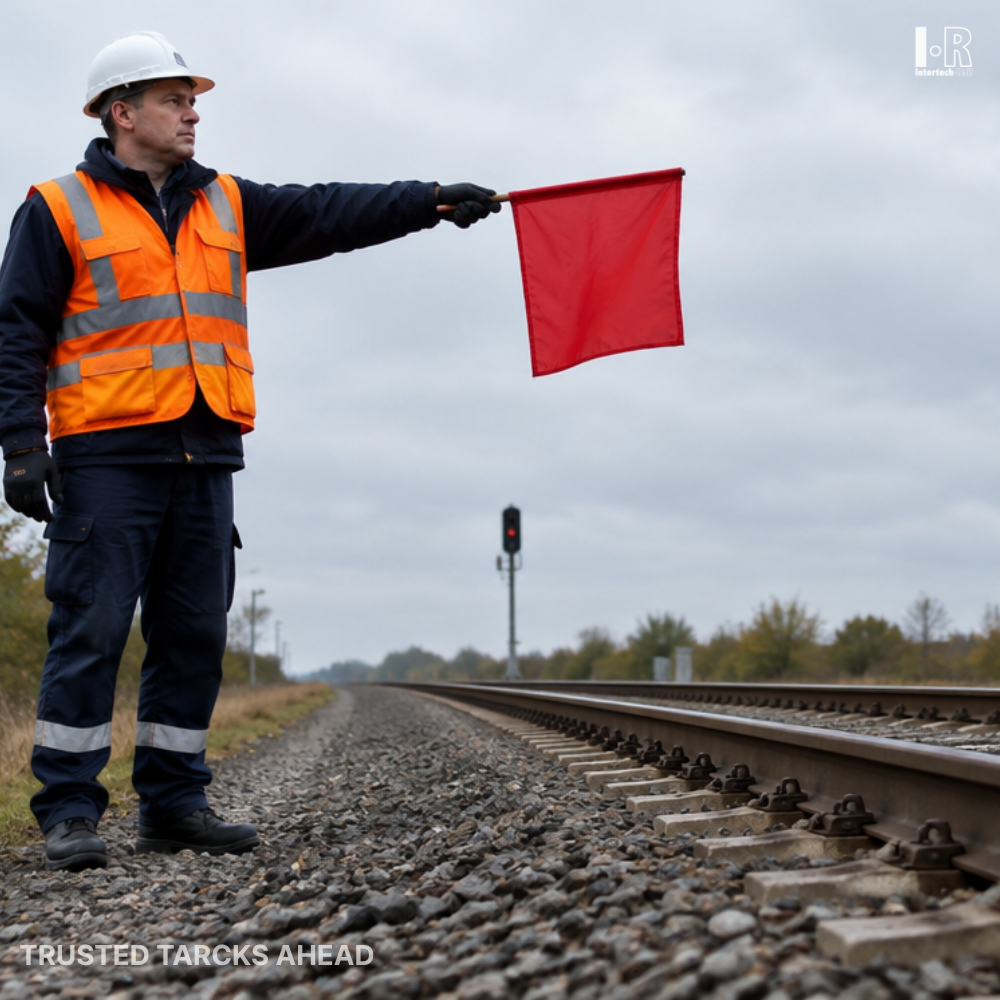
Written authority, pilot working, and time separation take over where the automated system can't. These aren't improvised on the day; they're pre-defined signaling failure procedures that trained staff execute. Hand signals, speed restrictions, and point clamping fill in at the sharp end, slower than normal operation, deliberately so.
Where does human error concentrate in degraded mode?
Communication handovers are where things go wrong. A shift change, a radio message that drops a detail, incomplete information passed from one controller to the next. Most degraded-mode incidents trace back to a process failure, not a technical one. The equipment already failed safely. What comes after is where the real risk sits.
Designing systems that degrade gracefully
What design choices reduce the impact of a failure?
Redundancy and route diversity mean one fault doesn't strand the whole line. Partial availability, keeping some capacity rather than none, matters more operationally than a perfect system that fails when it fails at all. Local fallback modes and independent crossing protection are what let a level crossing keep protecting road traffic even when the wider signaling system around it has gone down.
How does diagnostic data shorten the degraded period?
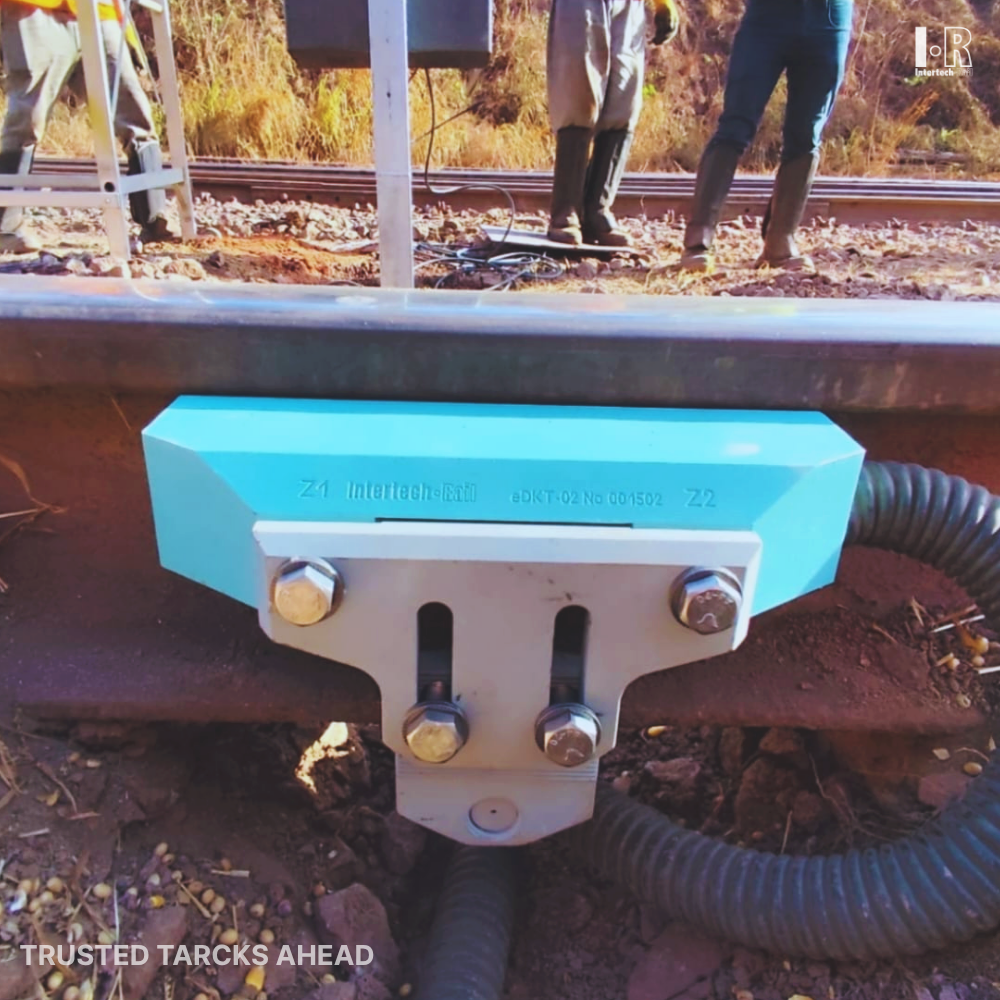
Remote alarms and fault localization cut the time between "something failed" and "we know what and where." Wheel sensors and fail-safe relays feeding that diagnostic picture turn a guess-and-check response into a targeted one, and response time is really what railway fallback operation is trying to minimize throughout.
Preparing the organization
What should be in place before the failure happens?
Documented procedures that people have actually drilled, not just read once during onboarding. Competence records that confirm who's current on train movement authority failure protocols, because the failure itself is rarely the hard part; the improvised response by someone under-trained is. Restoration checklists and return-to-normal verification close the loop, since rushing back to normal operation without confirming the fix is a second failure waiting to happen.
GO DEEPER ON THESE TRACKS:
keeping trains running safely during a failure depends on site engineering and detection reliability covered elsewhere in this cycle. Explore
What Does It Take to Build a Trackside Site That Survives the Field? To prevent failures that trigger degraded mode, discover
Why Do Track Circuits Fail and How Do You Diagnose the Root Cause? for one common trigger, and review
Fixed Block or Moving Block: How Does Block Design Limit Your Line Capacity? for how block strategy affects recovery. These related articles are already published or will be available soon.
What is Signaling and how does it work?
Railway signaling is the system used to control train movements across a network safely. It combines signals, track circuits, relays, switch machines, and control systems to communicate movement authority and track conditions. By continuously monitoring train positions and route status, signaling systems help prevent conflicts and ensure trains operate safely and efficiently.
Why is Signaling important for modern railway operations, and what challenges can it solve and what benefits does it provide?
Signaling is fundamental to railway safety, capacity, and reliability. It helps prevent collisions, protects work zones, manages train spacing, and supports efficient traffic flow. Modern signaling systems also reduce operational delays, improve network utilization, and provide operators with greater control over increasingly complex rail operations.
What technologies are commonly associated with Signaling?
Common signaling technologies include track circuits, axle counters, fail-safe relays, interlocking systems, switch machines, wayside signals, centralized traffic control (CTC), communications-based train control (CBTC), positive train control (PTC), and condition monitoring systems. Digital communications and remote diagnostics are also becoming increasingly important within modern signaling environments.
What Intertech Rail solutions are available for Signaling?
Intertech Rail provides signaling-related solutions, including fail-safe relays, relay sockets and plugboards, switch machines, wheel sensors, and railway control hardware. These products support signaling infrastructure used in interlockings, track circuits, route control systems, and other safety-critical railway applications.
Share article