What Does It Take to Build a Trackside Site That Survives the Field?
This is a subtitle for your new post
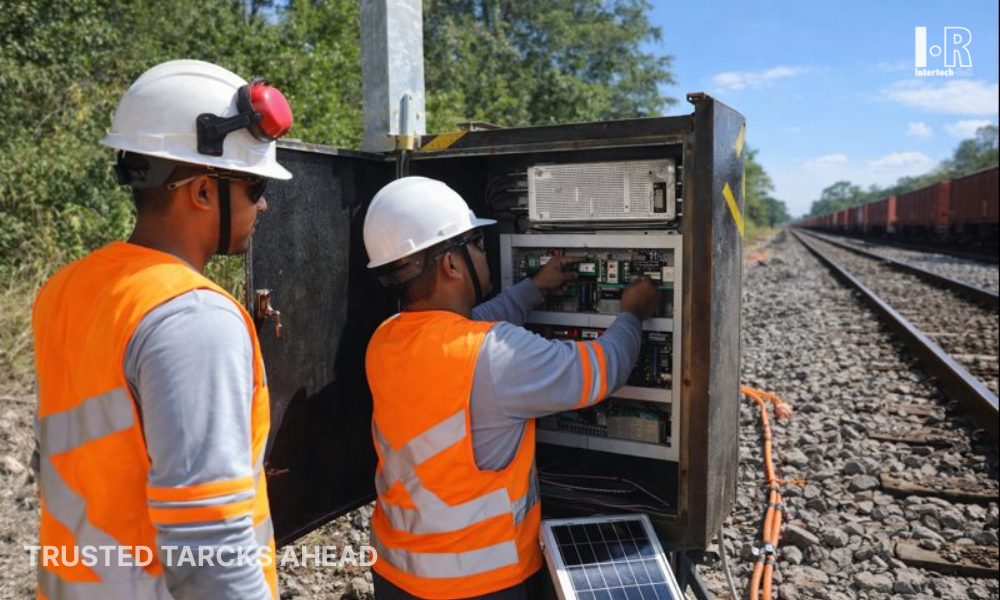
A signaling engineer can spec a perfectly certified system and still watch it fail eighteen months in, not because the electronics were wrong, but because nobody thought hard enough about the box it sits in. Trackside equipment enclosure design doesn't get the attention the core system does, and that's exactly why it's usually where things go wrong first.
Why site engineering decides equipment reliability
Why do certified systems still fail in the field?
Power, heat, water, and vibration cause more failures than any component defect I've seen. A relay rated for years of service doesn't care about its own certification if the cabinet it lives in lets in moisture every rainy season. The cost of a site visit, travel time, a technician, sometimes a possession window, dwarfs the cost of specifying the enclosure correctly the first time.
Which sites demand the most attention?
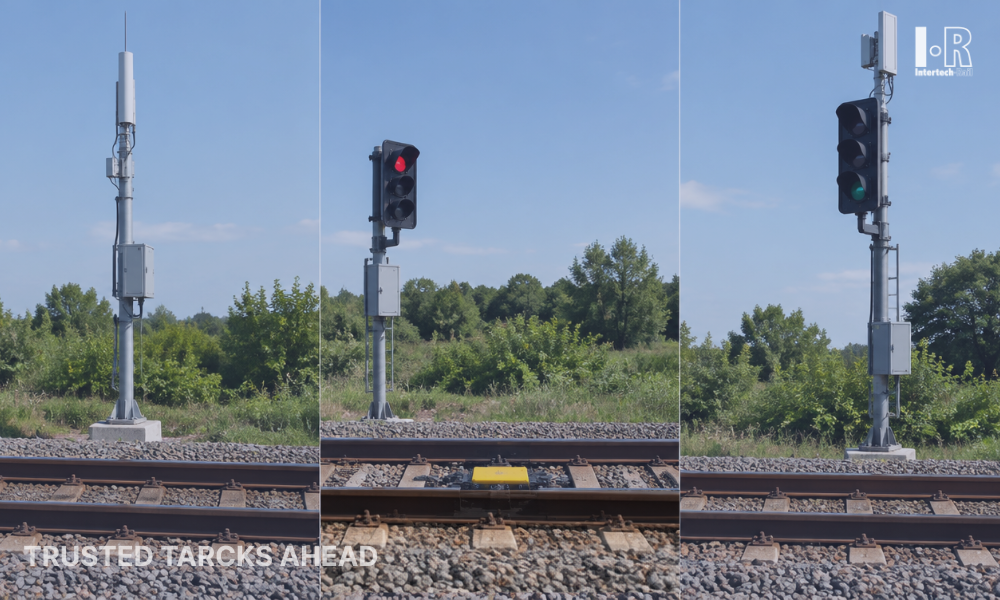
Level crossings, AEI read points, interlocking huts, and anything remote enough that a fault sits unnoticed for days. These aren't interchangeable. A remote read point with no mains power nearby has a completely different risk profile than an interlocking hut a maintainer drives past daily.
Designing the power supply
What power architecture does a trackside site need?
Mains where it's available, battery autonomy sized for real outage durations, not the optimistic number in a spec sheet, and charge management that actually protects the battery instead of just topping it off. Solar makes sense once you're past a certain distance from mains, and sizing it correctly means accounting for the worst week of sunlight the site will see, not the average one.
How do you protect against electrical events?
Surge protection and proper earthing aren't optional extras in most trackside environments. Lightning exposure varies wildly by geography, and a site in a high-strike region needs a different protection budget than one that rarely sees a storm. Monitoring power health before it causes an outage, voltage trending, and battery state of charge turns a surprise failure into a scheduled visit.
Enclosures and physical protection
What should an enclosure specification cover?
IP rating and thermal management come first, followed closely by corrosion resistance, since a coastal or industrial site will eat an underspecified enclosure alive within a couple of years. Access control and vandalism resistance matter more in some locations than others, and cable entry design is the detail that gets rushed and then leaks for the next decade.
How do multi-track and multi-system sites change the design?
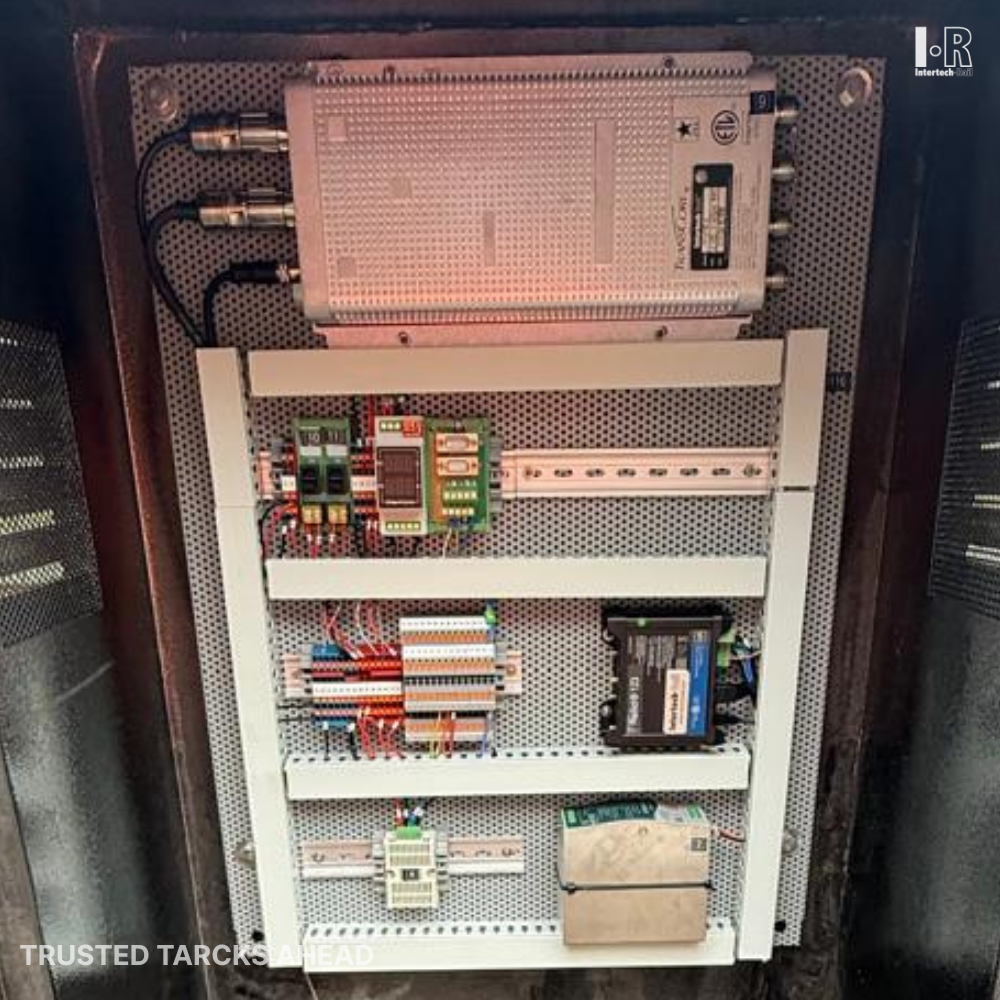
Consolidating detection, AEI, and signaling equipment into one cabinet cuts down on separate site visits and separate points of failure. Rail-ID ARK is built around exactly this idea, integrating the AEI reader, edge processing, and the multiprotocol reader into a single field-hardened enclosure rated IP65/IP67 and built to run from -40°C to +70°C, with a capacitor backup that protects a read in progress if power drops mid-cycle.
Connectivity and remote management
How should a trackside site communicate?
Wired connections where they're practical, cellular or radio where they're not, chosen by location profile rather than a blanket standard. Edge processing at the site reduces the bandwidth a remote link actually needs and keeps the system functional through a temporary communication gap instead of going dark the moment the link drops.
What should be monitored remotely from day one?
Door status, internal temperature, voltage, and equipment health alarms. Wayside cabinet railway sites that skip remote monitoring at commissioning almost always add it later, after the first failure nobody caught in time, at a higher cost than building it in from the start.
GO DEEPER ON THESE TRACKS: reliable trackside sites are what keep detection and degraded-mode procedures from becoming a daily field problem. Explore How Do Rail Yards Combine Train Detection and Railcar Identification? for the read points this engineering protects, discover How Do Railways Keep Running Safely When the Signaling System Fails? for what happens when a site does fail, and review Why Do Track Circuits Fail and How Do You Diagnose the Root Cause? for the failure modes site design is built to prevent. These related articles are already published or will be available soon.
What is AEI, and how does it work?
Automatic Equipment Identification (AEI) is a railway identification system that automatically reads RFID tags mounted on locomotives, freight cars, and other rail assets. As equipment passes a trackside reader, identification data is captured and transmitted to operational systems, creating a reliable record of asset movements without manual data entry.
Why is AEI important for modern railway operations, what challenges can it solve, and what benefits does it provide?
AEI improves operational accuracy by automating equipment identification across the rail network. It helps eliminate manual reporting errors, reduces labor requirements, accelerates asset tracking, and provides dependable movement records. Railroads use AEI data to support inventory management, train documentation, customer reporting, and operational visibility initiatives.
What technologies are commonly associated with AEI?
AEI systems typically include RFID tags, trackside readers, antennas, edge computing devices, communications networks, database platforms, and enterprise software. Many railroads integrate AEI data with transportation management systems, yard management platforms, asset tracking applications, and business intelligence tools.
What Intertech Rail solutions are available for AEI?
Intertech Rail provides a complete AEI portfolio including Rail-ID® readers, antennas, RFID tags, edge devices, and centralized software platforms. Solutions such as Rail-ID® Server, Rail-ID® Edge, Rail-ID® Xpress, and the MPRX Reader support automated identification and real-time monitoring of rail assets across railway networks.
Share article