How Can Rail Operators Use Failure History and Weather Data to Predict Signaling Problems?
Why Signaling Failures Are Not Random?
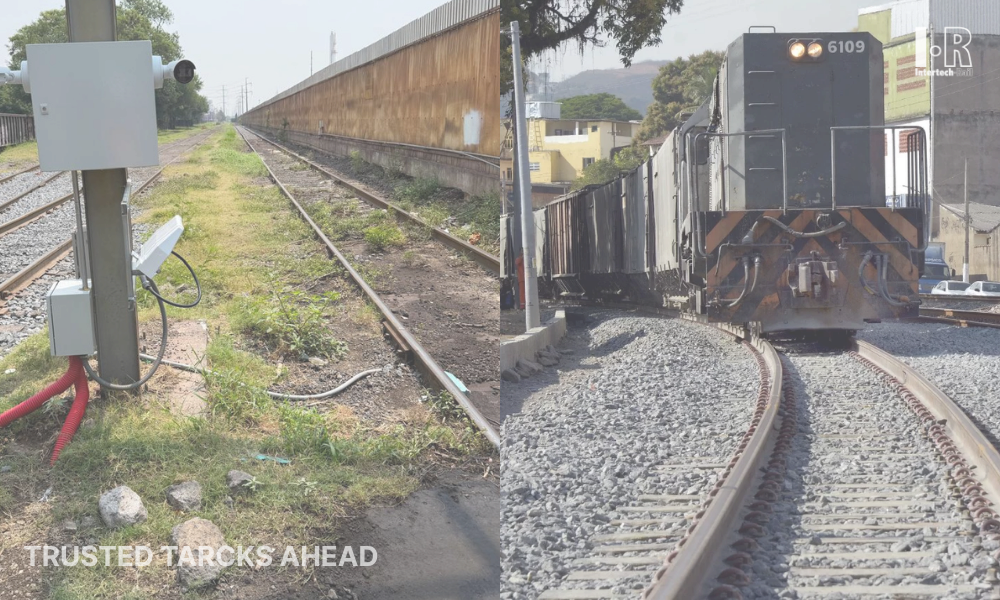
Anyone who has spent time maintaining signaling assets knows that failures rarely happen without context. A relay room may stay reliable for years, while a nearby location develops recurring faults every wet season. At first, the failures may look completely unrelated. But after looking back through maintenance records alongside local weather data, recurring patterns usually begin to stand out. It is rarely just a coincidence.
Building an effective railway signaling failure prediction strategy starts with accepting that most failures leave clues long before they interrupt train operations.
What Patterns Typically Appear in Signaling Failure Data?
Seasonal Peaks in Track Circuit and Insulation Problems
After a few weeks of persistent rain, maintenance teams often start seeing familiar issues again. A track circuit that had been working normally may begin behaving erratically, or insulation readings slowly drift away from their usual values. Water rarely needs a large opening to cause trouble. A small crack in a cable joint or an aging seal is sometimes enough. The failure itself may not appear until days later, which is why these problems are easy to miss if each work order is reviewed on its own.
Repeated Failures at Specific Locations or Asset Types
Some locations seem to keep coming back on maintenance schedules. Bridges, damp cuttings, coastal routes, and older installations are familiar examples. Ask experienced technicians, and many will point to the same trouble spots. Those locations deserve closer attention than assets with a long record of reliable operation.
How Does Weather Influence Signaling Reliability?
Temperature, Humidity, and Rain Effects on Track Circuits
The weather's impact on rail signaling goes far beyond flooded tracks. Anyone who has worked outdoors for a few seasons has seen equipment react differently as humidity builds or temperatures swing from hot afternoons to cold nights. Cable terminations loosen over time, connectors age, and outdoor housings gradually lose the protection they once provided. None of that usually causes an immediate outage. It is more of a slow process that quietly increases the likelihood of future failures.
Lightning, Storms, and Power Supply Disturbances
Not every storm leaves obvious damage behind. Sometimes the only evidence is a relay reset, an intermittent communication fault, or a maintenance call that seems difficult to explain afterward. Lightning, voltage disturbances, and short power interruptions all add stress to signaling equipment. Surge protection helps a great deal, but experienced maintainers know it cannot prevent every weather-related fault.
Combining Failure History with Weather Records
What Data Do You Need to Build Predictive Insights?
Historical Failure Logs with Accurate Time and Location
Reliable signaling failure history analysis depends on detailed maintenance records. Failure type, exact location, affected asset, repair actions, and accurate timestamps all contribute to meaningful analysis. Missing or inconsistent information makes reliable correlations much harder to establish.
Local Weather Data at Hourly or Daily Resolution
General weather reports provide useful background, but they rarely explain why one particular location experienced a failure. Data collected close to the asset, especially hourly rainfall, humidity, temperature, wind, and lightning activity, usually tell a much more convincing story when compared with maintenance records.
How Do You Identify High-Risk Conditions?
Thresholds for Alert Weather Conditions by Region
There is no single weather threshold that works everywhere. Fifty millimeters of rain may have little effect in one territory and create drainage problems in another. The same applies to temperature and humidity. Local operating experience is often the best guide when defining practical alert levels.
Asset Types Most Sensitive to Environmental Factors
Not every signaling asset reacts to weather in the same way. Track circuits may struggle with moisture, point machines often suffer from water ingress or freezing conditions, and power supplies can be more vulnerable to electrical disturbances. Recognizing those differences makes it much easier to decide where maintenance effort will have the greatest impact.
Turning Insights into Proactive Maintenance
How Can Operators Plan Maintenance Before Failures Occur?
Seasonal Inspection Campaigns Based on Risk Profiles
Once those recurring patterns start to emerge, maintenance planning naturally changes. Instead of treating every location the same, teams can focus inspections where experience suggests problems are most likely to develop. Sometimes that simply means checking drainage earlier in the season or testing insulation before the wet months begin.
Dynamic Adjustments to Inspection Frequency
Not every asset requires the same inspection interval. Sites with repeated weather-related failures may justify additional visits, while consistently reliable installations can remain on standard maintenance cycles.
How Do You Track the Results of Weather-Based Maintenance?
Comparing Failure Rates Before and After Implementation
The effectiveness of predictive maintenance using weather data should be measured objectively. Comparing failure frequency, response times, and service delays before and after implementation provides clear evidence of improvement.
Reporting Benefits to Regulators and Executives
Good records make those improvements difficult to ignore. When failure numbers begin to fall and maintenance becomes easier to plan, the value speaks for itself. At that point, using weather information is no longer viewed as an interesting engineering exercise. It simply becomes part of how the railway manages its signaling assets.
GO DEEPER ON THESE TRACKS: Predictive maintenance depends on understanding both asset behavior and environmental conditions. Explore What Is Condition-Based Maintenance in Railway Signaling? A Practical Guide to Reducing Unplanned Failures to learn the fundamentals of CBM, discover How Can Rail Operators Reduce Railcar Dwell Time with Real-Time Yard Visibility? for another example of data-driven operational improvement, and review What Is Rail Yard Performance Management? The Complete Guide to Turning Yard Data into Operational Results shows how predictive insights fit into a broader performance strategy. These related articles are already published or will be available soon.
What is Signaling and how does it work?
Railway signaling is the system used to control train movements across a network safely. It combines signals, track circuits, relays, switch machines, and control systems to communicate movement authority and track conditions. By continuously monitoring train positions and route status, signaling systems help prevent conflicts and ensure trains operate safely and efficiently.
Why is Signaling important for modern railway operations, and what challenges can it solve and what benefits does it provide?
Signaling is fundamental to railway safety, capacity, and reliability. It helps prevent collisions, protects work zones, manages train spacing, and supports efficient traffic flow. Modern signaling systems also reduce operational delays, improve network utilization, and provide operators with greater control over increasingly complex rail operations.
What technologies are commonly associated with Signaling?
Common signaling technologies include track circuits, axle counters, fail-safe relays, interlocking systems, switch machines, wayside signals, centralized traffic control (CTC), communications-based train control (CBTC), positive train control (PTC), and condition monitoring systems. Digital communications and remote diagnostics are also becoming increasingly important within modern signaling environments.
What Intertech Rail solutions are available for Signaling?
Intertech Rail provides signaling-related solutions, including fail-safe relays, relay sockets and plugboards, switch machines, wheel sensors, and railway control hardware. These products support signaling infrastructure used in interlockings, track circuits, route control systems, and other safety-critical railway applications.
Share article