AEI vs. GPS vs. Manual: Which Train Car Tracking Method Is Right for Your Operation?
The Three Main Approaches to Car Tracking
What Is Manual Car Tracking and Where Does It Still Work?
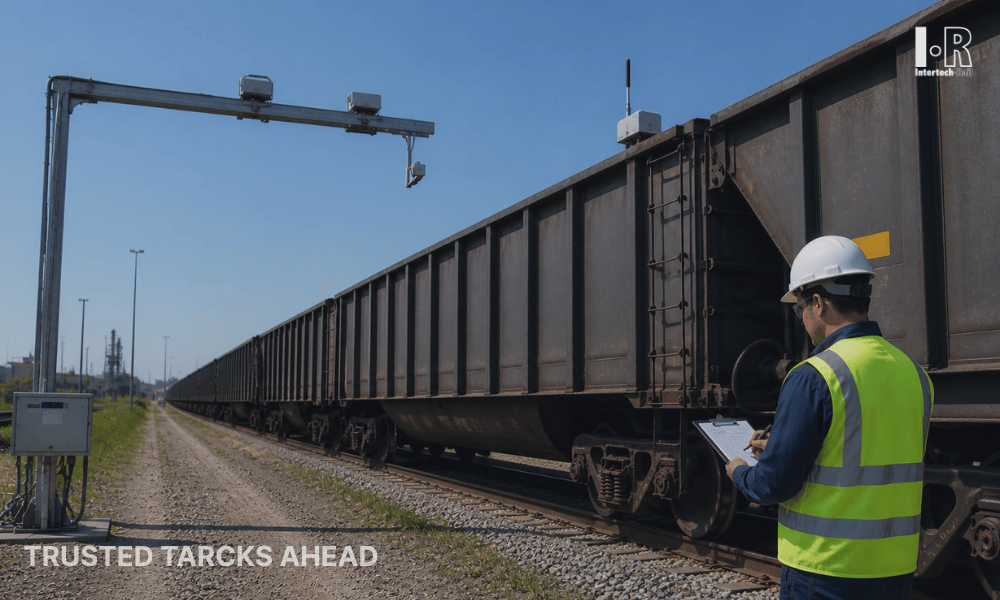
Manual tracking still shows up in more places than people expect. Not because it is efficient, but because it is familiar. Crews rely on switch lists, radio calls, sometimes just visual confirmation.
And for smaller yards, it works. At least for a while.
The problem is not immediate. It builds slowly. A missed update, a car logged slightly out of sequence, a delay that does not seem significant at first. Over time, those small gaps begin to affect the flow. Not always in obvious ways.
That is usually when operators start rethinking their railcar tracking methods.
Manual systems are not broken. They just reach a point where they stop scaling.
Sometimes that point comes earlier than expected.
What Is GPS-Based Car Tracking and How Does It Work?
GPS takes a broader view. Each car reports its position using satellite signals, creating what looks like continuous visibility across the network.
In theory, that solves the problem. Not always.
Out on the mainline, GPS performs well and supports a wider freight car location system. Inside a yard, things behave differently. Tracks are closer. Structures interfere. Signals overlap.
Accuracy can drop. Sometimes it is not obvious at first.
There is also the maintenance aspect. Devices need power, and power needs to be managed. It is not complicated, but it does not disappear either.
That tends to be where operational friction shows up.
What Is AEI (Automatic Equipment Identification) and How Is It Different?
AEI does not try to follow the train everywhere. It focuses on specific points where identification actually matters.
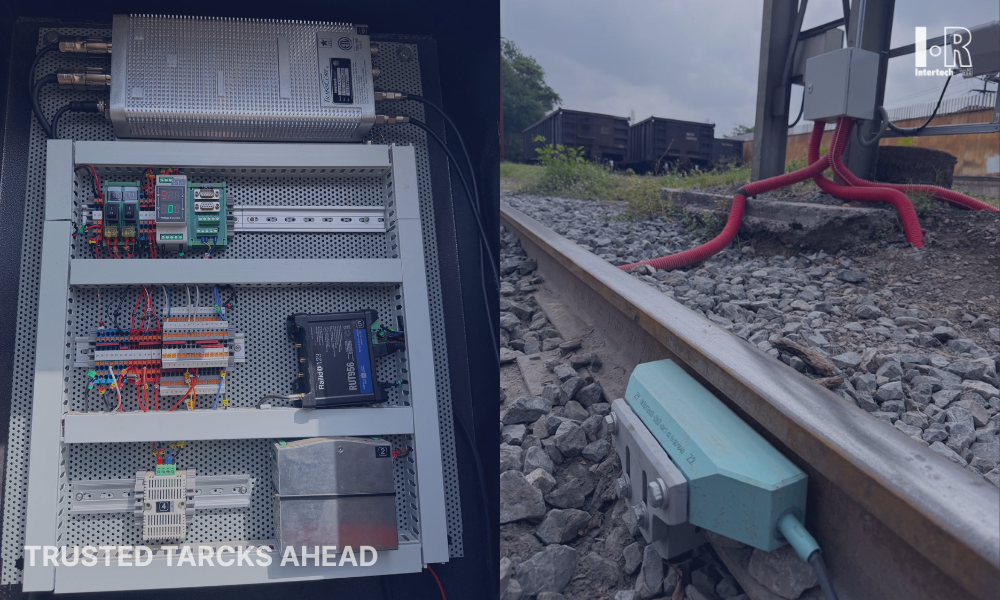
Trackside readers identify cars as they pass, using RFID tags. No batteries, no onboard electronics to maintain. Just consistent reads at defined locations.
That is where the AEI vs GPS train tracking comparison becomes more practical. AEI provides fewer data points, but they tend to be reliable.
In yard operations, that tradeoff usually works better.
The simplicity also helps over time. Passive tags remain stable, which is one of the more practical automatic equipment identification benefits.
Not perfect. But predictable.
Side-by-Side Comparison:
How Do the Three Methods Compare on Accuracy?
Accuracy sounds straightforward. It rarely is.
Manual tracking depends on people. GPS depends on the environment. AEI depends on infrastructure. Each introduces its own type of uncertainty.
What operators often look for is consistency. Data that does not need to be questioned every time.
In many cases, fewer reliable points are more useful than continuous data that requires interpretation.
That tradeoff shows up quickly in real operations.
How Do They Compare on Total Cost of Ownership?
Costs do not behave in the same way across these methods.
Manual systems appear inexpensive, but require continuous labor. GPS systems distribute cost over time through maintenance. AEI concentrates cost upfront, then stabilizes.
There is no universal answer. It depends on how the operation evolves.
And how quickly it grows.
How Do They Compare on Integration and Data Usability?
This is where differences become more noticeable.
Manual data is fragmented. GPS generates large volumes of information, sometimes more than needed. AEI produces structured events that integrate more easily.
It is not just about collecting data. It is about using it without slowing things down.
That part tends to be underestimated.
Making the Right Choice for Your Operation
What Factors Should Drive Your Technology Decision?
There is no single answer. And rarely a clean comparison.
Fleet size matters. Traffic density matters. Existing systems often matter more than expected. Regulations can shift priorities.
A realistic train tracking technology comparison usually reflects constraints as much as capabilities.
Can You Combine Multiple Tracking Methods?
In many operations, that is exactly what happens.
AEI handles identification in the yard. GPS supports visibility outside it. Together, they address different parts of the problem.
That approach tends to reflect how rail operations actually work. Not one system doing everything, but several working together.
And in the end, that balance is usually what separates something that looks good on paper from something that actually works day to day.
GO DEEPER ON THESE TRACKS:
To better understand how automated identification works in practice, take a look at
What Is Rail-ID® Yard Management? The Complete Guide to Automated Freight Car Identification and Control, explore the technical foundation in
How Does RFID Technology Work in Freight Yard Identification? A Practical Explanation for Rail Operators, or see how it integrates into operations in
What Is a Yard Management System? How Automated Identification Transforms Freight Operations.
Share article