RFID Tag Management Systems for Railways: Read/Write Technology and Standards for Asset Tracking
RFID Technology in Railway Applications
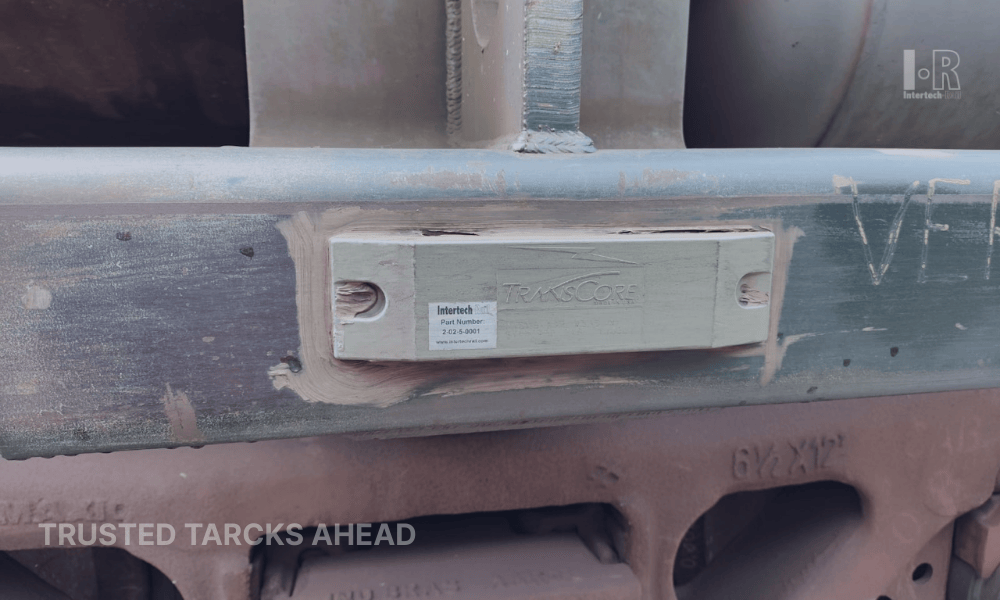
RFID did not arrive in railways as a bold innovation. It slipped in quietly, usually to solve a local problem that no one wanted to solve manually anymore. Early deployments focused on identification, nothing more. Over time, operators realized that knowing what passed a point was useful, but knowing what state that asset was in mattered more. This gradual shift laid the foundation for modern RFID tag management systems in railways.
Active vs. Passive RFID Tags
Active tags promise range and autonomy, but railways tend to be suspicious of promises that come with batteries. Replacement cycles, access difficulty, and unpredictable failures often outweigh the benefits. Passive RFID tags, despite their limitations, continue to dominate because they tolerate abuse. They survive vibration, dirt, weather, and long periods of neglect. In railway terms, that already counts as reliability.
Read-Only vs. Read/Write Capabilities
Read-only RFID answers a fixed question. Read-write RFID railway solutions allow the question to change. That difference is subtle but important. When data can be updated on the asset itself, information stops lagging behind reality. It is not elegant, but it is practical.
Frequency Bands and Railway-Specific Standards
Railways are not friendly radio environments. Steel, traction currents, and constant movement expose weaknesses quickly. Rail RFID tag standards exist less to optimize performance and more to prevent unpleasant surprises later. Systems that follow them tend to age better.
Applications of RFID in Rail Operations
Rolling Stock Identification and Tracking
This remains the most visible use case. Readers placed at yards and corridor boundaries confirm that trains moved as expected. In RFID asset tracking rail applications, more reads do not necessarily mean better control. Relevant reads do.
Component and Maintenance Part Management
RFID becomes more interesting once it leaves the railcar and follows components instead. Parts move between workshops, storage areas, and vehicles. Tags help keep that movement honest. They do not replace discipline, but they expose when discipline is missing.
Access Control and Personnel Safety
In restricted areas, RFID supports access control without slowing people down. That matters in environments where stopping to check credentials would be impractical or unsafe.
Advantages of Read/Write RFID Technology
Dynamic Data Updates in the Field
Read/write tags allow information to be updated where work actually happens. Waiting for a system update later often means it never happens.
Maintenance History Recording on Tags
Storing maintenance notes directly on the tag provides context immediately. Even partial information is often better than none.
Flexible Data Management Without Database Queries
Not every decision needs a live connection. Decentralizing small pieces of data reduces friction and dependency on centralized systems.
Tag Management System Architecture
RFID Tag Types and Selection
Choosing a tag is rarely a purely technical exercise. How it will be mounted, how often it will be touched, and how badly it might be treated usually matter more than datasheets.
Tag Form Factors for Different Applications
Small tags fit tools and parts. Larger housings exist for a reason. Size often equals survival.
Environmental Specifications and Durability
Railway environments are unforgiving. If a tag needs protection, it will eventually fail.
Memory Capacity and Data Structure
More memory is tempting. In practice, structured and consistently written data outperforms unused capacity.
Reader Infrastructure and Deployment
Fixed Readers vs. Handheld Devices
Fixed readers create continuity. Handheld devices solve exceptions. Mature systems use both because operations are rarely uniform.
Reader Placement Strategy for Optimal Coverage
Coverage metrics look good in reports. Operational relevance matters more on the ground.
Communication Networks and Data Integration
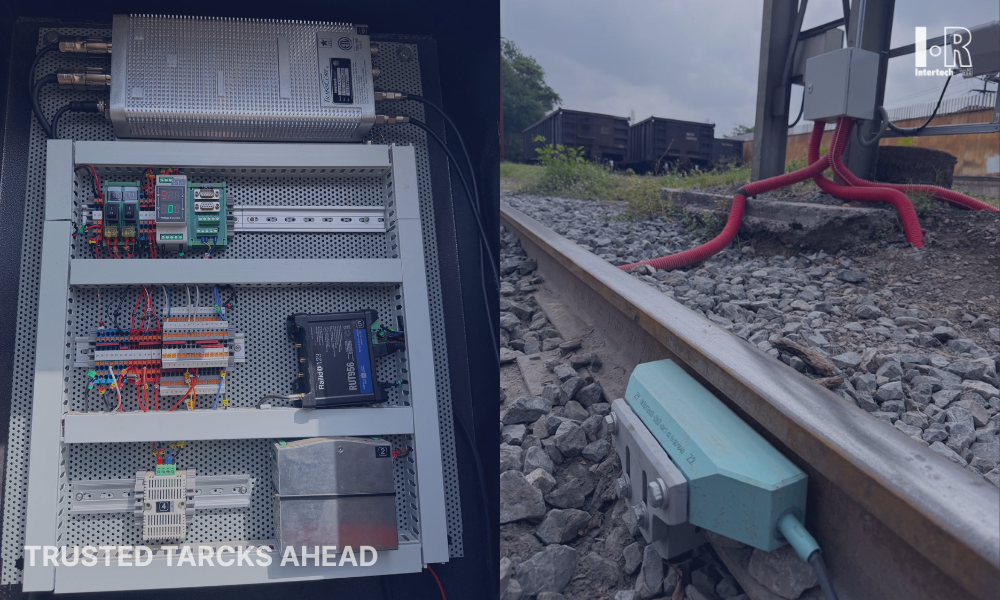
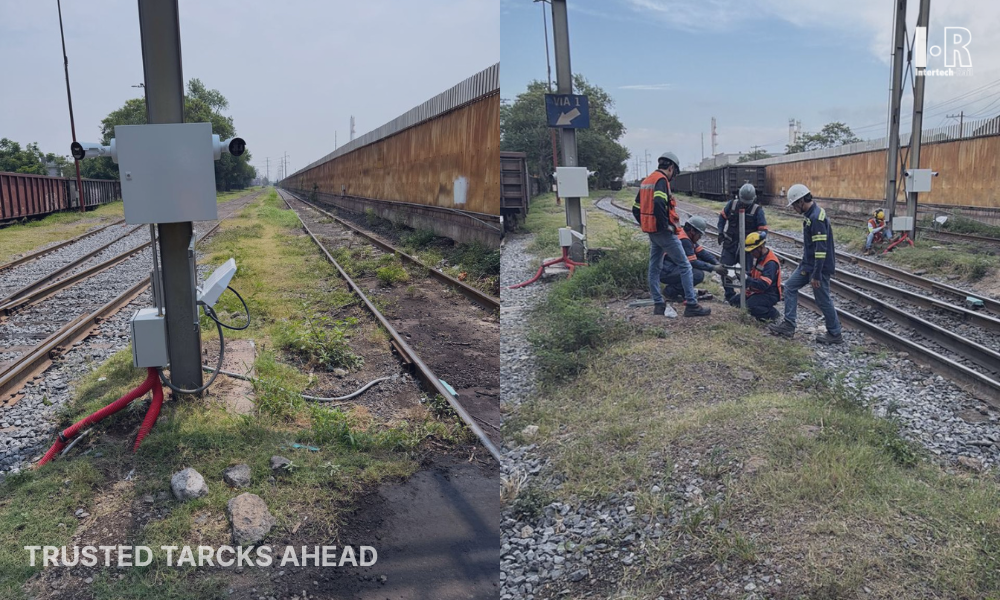
RFID data only becomes useful once it is trusted. Integration with operational systems closes that loop. Railway tag reader system solutions from Intertech Rail are designed to fit into existing railway environments rather than reshaping them.
RFID tag management systems are not about visibility alone. They reduce uncertainty. In railway operations, that reduction often matters more than any individual feature.
Explore how different RFID tags are designed to meet specific railway operating conditions, from extreme temperatures to wayside signaling environments.
- High Temperature Transportation Tag : Designed for reliable rail asset identification in high-temperature and heavy-duty environments.
- Harsh Environment Transportation Tag : Built for wagons and equipment exposed to dust, moisture, and severe outdoor conditions.
- Harsh Half-Frame Transportation Tag : Battery-free RFID tag engineered for long-term use in aggressive railway environments.
- Dual Frequency Battery-Powered Transportation Tag :RFID tag with extended read range using dual-frequency operation.
- Signal Tag: RFID tag used for the identification and monitoring of railway signaling equipment.
Share article