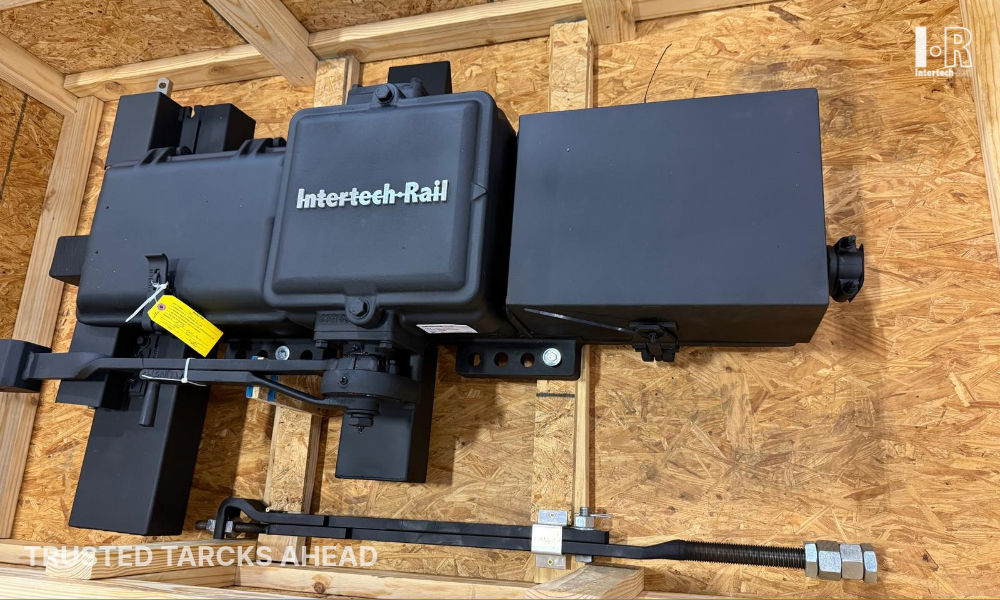
How does automation differ between hump yards and flat switching yards?
Two very different yard operations, two very different automation strategies.
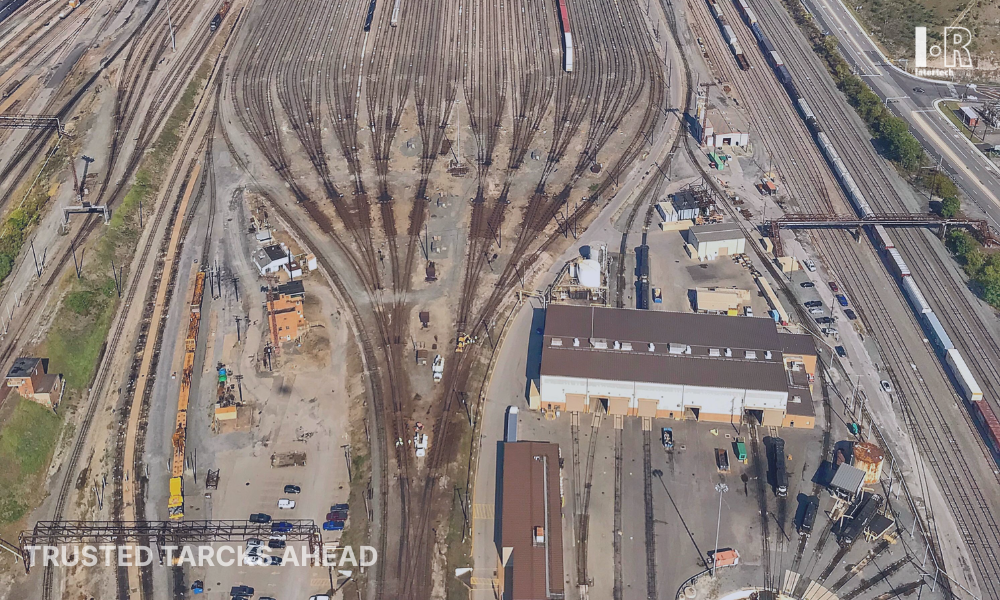
Ask someone who's worked both a hump yard and a flat yard which one automation helps more, and you'll usually get a long pause before the answer, because it's not really the same question in each place. Hump yard automation and flat yard switching solve for different bottlenecks, and treating them the same way in a rollout plan is where a lot of projects lose momentum.
Two yard types, two operating models
What distinguishes a hump yard from a flat yard?
A hump yard classifies cars by gravity; they're pushed over a crest and roll down into the bowl on their own, guided by retarders and switches. A flat yard does the same job with a locomotive physically pulling and pushing cars around, track by track. That single difference cascades into everything else: typical volumes, layout complexity, and how many people it takes to run the operation day to day.
Automation priorities in hump yards
Which processes benefit most from automation on the hump?
Cut lists, retarder control, and route setting are where the real gains sit, because timing matters at a scale no human reaction time can match consistently. AEI verification of cars passing over the crest closes the loop, confirming that what the system thinks is rolling down is actually what's rolling down.
How does data improve classification accuracy?
Catching a misroute before the car reaches the bowl saves hours of re-switching later. Rail-ID® processing AEI reads at the crest, alongside switch machine control feeding into the classification logic, is what makes that catch possible in real time instead of during a reconciliation the next morning.
Automation priorities in flat yards
Where does automation pay off without a hump?
Without gravity doing the sorting, the win in a flat yard is knowing exactly where every car sits so the crew doesn't waste a move. Real-time track inventory and accurate switch lists cut down on re-switching, which in a flat yard is pure wasted locomotive time; there's no other way to say it.
What low-infrastructure options exist for smaller flat yards?
Not every flat yard needs a full fixed-reader buildout. Portable readers covering the busiest tracks, paired with a few strategic fixed read points, get most of the visibility benefit at a fraction of the cost of instrumenting every track.
Choosing the right approach for your yard
Which factors determine the automation strategy?
Volume, layout, labor model, and where the operation expects to grow all shape the answer, and honestly, the size of the yard matters less than how it actually behaves day to day. Two yards with similar car counts can need completely different approaches depending on how tight the switching windows are. Migration paths matter too. What a yard needs at 200 cars a day rarely matches what it needs at 800, so the smartest rail classification yard rollouts I've seen are built to expand rather than get replaced.
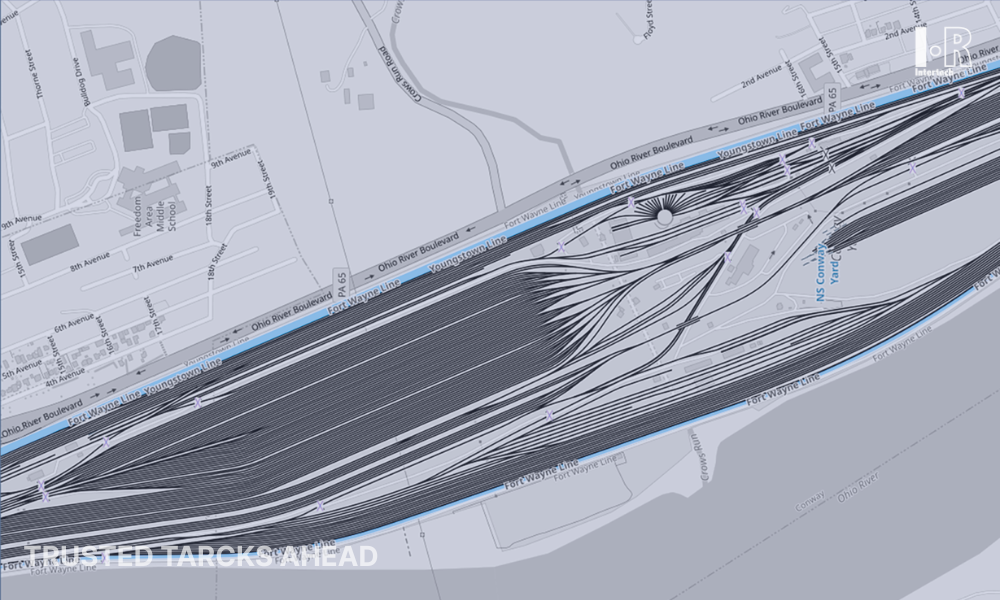
GO DEEPER ON THESE TRACKS: Whichever yard type you run, the same fundamentals apply to reader placement and the investment case. Explore Where Should AEI Readers Be Installed in a Rail Yard to Maximize Visibility? for proper coverage, discover What Is the Real ROI of Rail Yard Automation and How Do You Calculate It? for the payback picture, and review How Can Short Line and Regional Railroads Adopt Yard Automation on a Limited Budget? for smaller-scale approaches. These related articles are already published or will be available soon.
Título ou perguntaWhat is Rail-ID® Argus and how does it work?
Rail-ID® Argus is Intertech Rail's Yard Management System, a platform for monitoring, organizing, and controlling railcar movements within rail yards and terminals. It tracks asset locations, manages switching activities, monitors dwell times, and maintains accurate records of yard operations to support efficient train building and asset utilization.
Why is yard management important for modern railway operations, what challenges can it solve, and what benefits does it provide?
Rail yards are critical operational hubs where delays can quickly affect network performance. Effective yard management, such as what Rail-ID® Argus delivers, helps reduce congestion, improve switching efficiency, increase track utilization, shorten dwell times, and provide more accurate information for operational planning, customer service, and billing activities.
What technologies power Rail-ID® Argus?
Rail-ID® Argus is built on AEI, RFID, railcar tracking technologies, operational databases, mapping interfaces, mobile applications, automated event logging, and analytics platforms, using real-time data to automate yard processes and improve operational decision-making.
What does Rail-ID® Argus offer for Yard Management?
Rail-ID® Argus automatically captures railcar movements and operational events. By combining AEI infrastructure, RFID technology, and centralized software, the platform helps railroads improve yard visibility, track utilization, consist management, and operational efficiency.
Share article