Which data standards govern railcar identification and how do they enable interoperability?
The shared language behind railcar identification, from tag to invoice.
Standards are one of those topics nobody gets excited about until the day a shipment gets stuck in a billing dispute because two systems disagree on what happened to a car. I've been on that call more than once. Railcar data standards aren't glamorous, but they're the reason a car built in one railroad's yard can move across three more and still show up correctly on everyone's books.
Why standards matter in North American rail
What happens when systems don't speak the same language?
Mismatched car IDs and event records turn into billing disputes fast, and nobody wins those arguments quickly. Without a shared standard, the fallback is manual reconciliation between railroads and customers, someone on the phone comparing spreadsheets, which is exactly the kind of work automation was supposed to eliminate.
The core standards landscape
What does the AAR standardize for car identification?
The AAR governs the AEI tag data format and the equipment marking rules that make a tag readable the same way everywhere, regardless of which railroad's reader picks it up. The Umler® equipment registry sits alongside that, holding the car attributes that give a bare ID number actual meaning: type, capacity, ownership.
Which EDI message types carry yard and movement data?
Car location messages and interchange reporting move information between railroads as cars change hands. Waybill, switch, and event message flows do the heavier lifting day to day, and they're the backbone most yard-to-railroad data exchange still runs on, EDI being older than most of the systems that depend on it.
Applying standards in yard systems
How should yard platforms implement these standards?
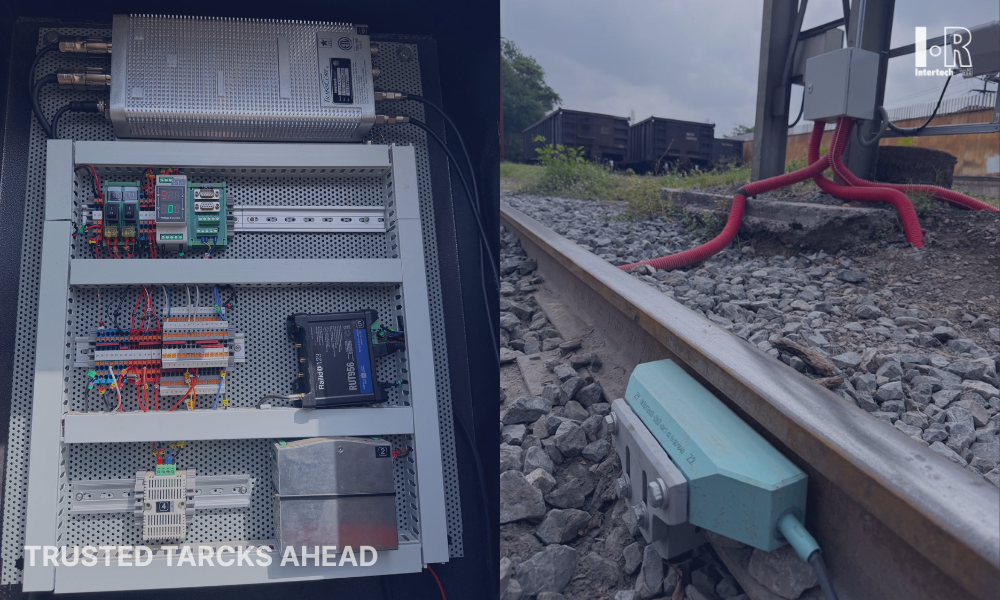
This is where it gets practical. Rail-ID® handles native AAR AEI standard decoding and standard event codes, so a read at the trackside AEI point maps cleanly to the shared vocabulary the rest of the industry expects, rather than some proprietary format that only makes sense internally. Mapping those standard messages to internal data models is the unglamorous work that determines whether integration goes smoothly or takes six months longer than planned.
How do standards simplify integration projects?
Onboarding a new partner or customer moves faster when both sides already speak AAR and EDI. Custom development and its ongoing maintenance cost drop too, since there's less proprietary glue code holding the connection together.
The future of rail data interoperability
What trends are shaping the next generation of standards?
Rail EDI messages aren't going away anytime soon; legacy systems are stubborn, but APIs and real-time event streams are increasingly running alongside them rather than replacing them outright. Cross-border and multimodal data exchange is the next real test. A rail interoperability standard built for one country's rail network doesn't automatically hold up once a container starts its journey on a ship or a truck, and that gap is where a lot of the current standards work is headed.
GO DEEPER ON THESE TRACKS: standards matter once applied on the ground, in reader placement, technology choice, and daily yard work. Explore Where Should AEI Readers Be Installed in a Rail Yard to Maximize Visibility? to see how AEI events get captured; discover AEI, GPS, or Machine Vision: Which Technology Is Best for Identifying and Tracking Railcars? for the wider technology context; and review How Does Automation Differ Between Hump Yards and Flat Switching Yards? for operational application. These related articles are already published or will be available soon.
What is Automatic Train Control (ATC) and how does it work?
Automatic Train Control (ATC) is a railway safety system that supervises train operation by enforcing speed limits, movement authorities, and operating restrictions. ATC continuously monitors train performance and can automatically intervene when a train exceeds authorized operating conditions or approaches a hazardous situation.
Why is Automatic Train Control (ATC) important for modern railway operations, and what challenges can it solve, and what benefits does it provide?
ATC improves operational safety by reducing the risk of human error and helping ensure compliance with operating rules. It supports more consistent train performance, enhances network capacity, and provides additional protection against overspeed events, signal violations, and unsafe train movements.
What technologies are commonly associated with Automatic Train Control (ATC)?
ATC systems typically use onboard computers, speed sensors, trackside signaling equipment, communication networks, balises, train detection systems, and centralized control software. Many modern ATC implementations also incorporate digital communications and integration with broader train control architectures.
Título ou perguntaWhat Intertech Rail solutions are available for Automatic Train Control (ATC)?
Intertech Rail supports ATC-related infrastructure through signaling relays, wheel sensors, switch machines, and railway control hardware. These field-level components contribute to the reliable operation of signaling and train supervision systems that support automatic train control functions.
Share article