Fixed Block or Moving Block: How Does Block Design Limit Your Line Capacity?
Why the space between trains, not their speed, decides how many the line can carry.
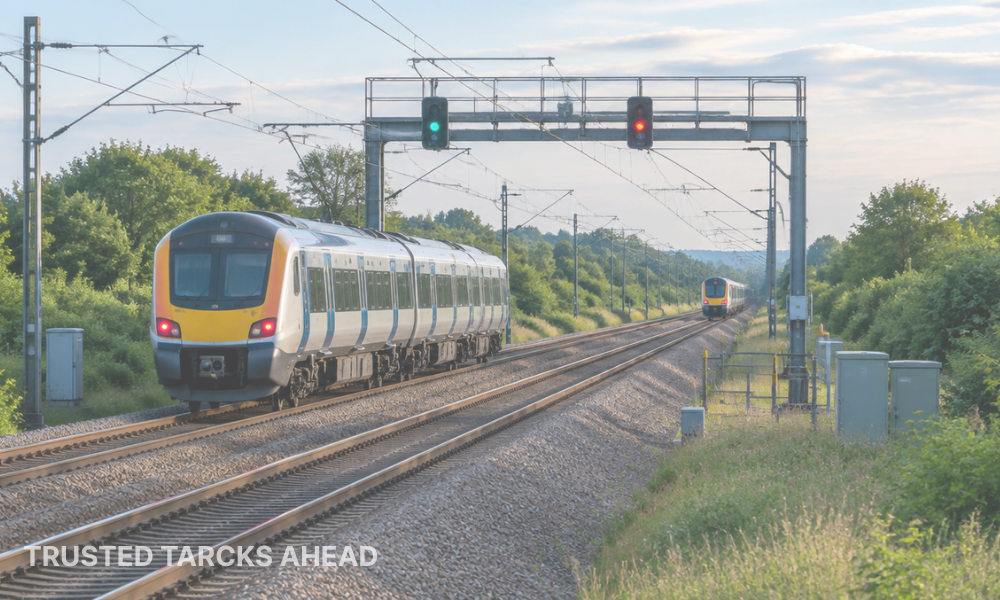
Ask a planner why a line can't fit another train an hour, and you'll hear about rolling stock, dwell times, maybe the timetable. Ask a signaling engineer and the answer is usually shorter: the blocks. Fixed block vs moving block isn't an abstract debate; it's the decision that quietly sets the ceiling before anyone buys a single new trainset.
What a block is and why it sets the ceiling on capacity
What problem does block design solve?
A block exists to keep two trains from occupying the same stretch of track. Separation, braking distance, and movement authority all come from that one idea. And here's the part people get wrong: headway, not train speed, defines throughput. A faster train doesn't help if the one behind it still has to wait for the section to clear.
How does block length translate into trains per hour?
The arithmetic is unforgiving. Braking distance, reaction time, and a safety margin all have to fit inside the space between trains, and that space is a function of railway headway capacity more than anything else. On a real line, capacity rarely disappears where the drawings say it will. It leaks out at stations, junctions, and the approach to a long block that everyone stops for.
Fixed block in practice
How are fixed blocks defined and detected?
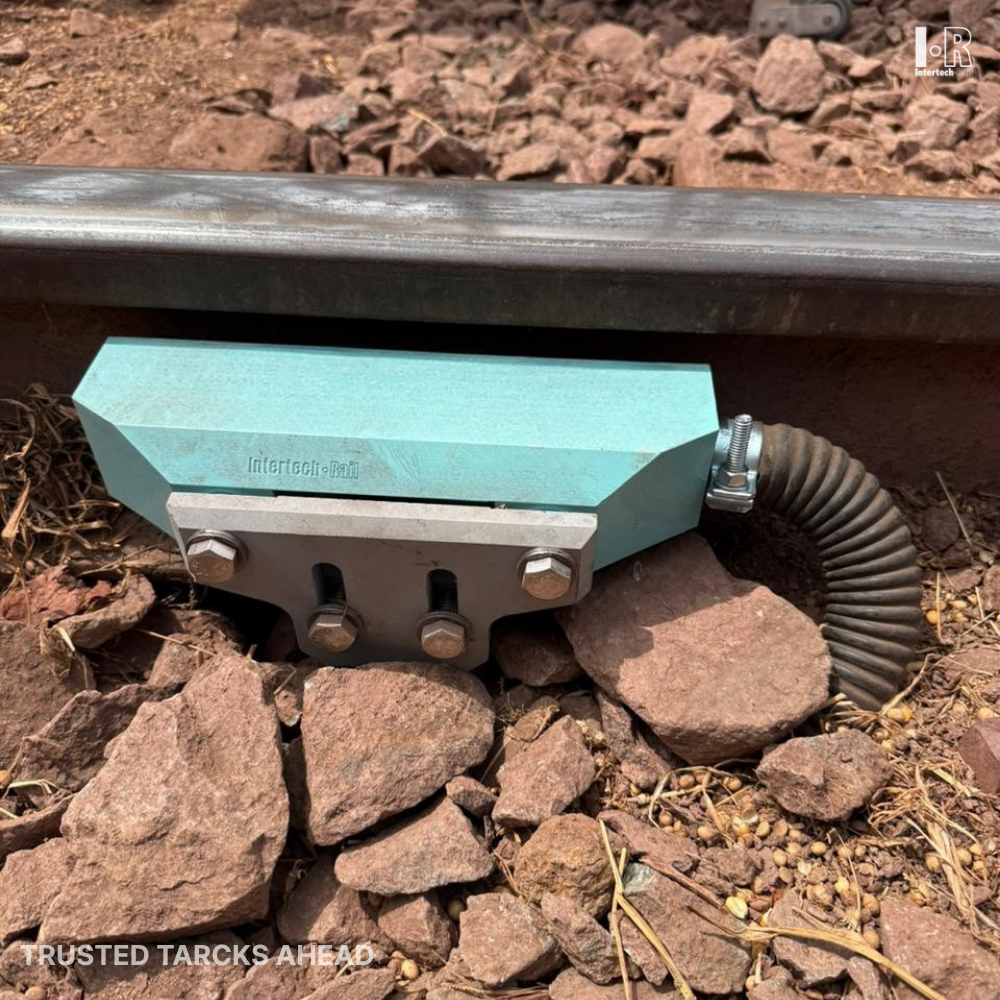
Section boundaries are physical: track circuits or counting points mark where one block section of the railway ends and the next begins. Multi-aspect signaling and approach release squeeze a bit more out of the arrangement. Detection usually rests on fail-safe relays and wheel sensors, because a block is only as trustworthy as the equipment telling you it's clear.
What are the limits of shortening blocks?
Shorter blocks mean more capacity, up to a point. Every new section adds equipment, cabling, and maintenance, and the gains flatten out fast. I've seen projects chase that last few percent and spend more on the final blocks than on all the earlier ones combined.
Moving block in practice
What changes when the block travels with the train?
Instead of fixed sections, the safe zone moves with each train. Continuous position reporting feeds a dynamic safety envelope, and the separation shrinks to what physics actually requires. Moving block signaling only works if the system knows the whole train is present, which is why train integrity confirmation is no longer optional. End-of-train identification through AEI is one way railroads approach that problem in freight.
What does moving block actually require on the ground?
Continuous communication, onboard fitment on every vehicle, and a capable control center. Positioning accuracy matters too, and this is where balise systems earn their place as reference points along the line. Then there's the question nobody likes: what happens when the radio layer drops? A fallback detection method has to exist, and it has to be tested, not just specified.
Choosing and staging the transition
Which lines justify moving block and which do not?
Dense, segregated metro lines with uniform fleets are the natural fit. A mixed-traffic mainline with freight, regional, and high-speed services is a much harder case. A simple decision matrix- demand, segregation, fleet mix, budget- usually settles it faster than a long feasibility study.
Hybrid approaches deserve more attention than they get. Tighter fixed blocks plus better signaling can deliver real capacity gains without a full rebuild, and for plenty of lines that's the smarter first step.
GO DEEPER ON THESE TRACKS: block design only tells half the story once integrity confirmation and control architecture enter the picture. Explore
How Do Railways Confirm That a Complete Train Has Cleared a Section? for the safety function moving block depends on, discover
CBTC, ETCS, or PTC: Which Train Control Architecture Fits Your Network? to see how block strategy feeds architecture choice, and review
Why Do Track Circuits Fail and How Do You Diagnose the Root Cause? for the detection layer underneath it all. These related articles are already published or will be available soon.
What is Signaling and how does it work?
Railway signaling is the system used to control train movements across a network safely. It combines signals, track circuits, relays, switch machines, and control systems to communicate movement authority and track conditions. By continuously monitoring train positions and route status, signaling systems help prevent conflicts and ensure trains operate safely and efficiently.
Why is Signaling important for modern railway operations, and what challenges can it solve and what benefits does it provide?
Signaling is fundamental to railway safety, capacity, and reliability. It helps prevent collisions, protects work zones, manages train spacing, and supports efficient traffic flow. Modern signaling systems also reduce operational delays, improve network utilization, and provide operators with greater control over increasingly complex rail operations.
What technologies are commonly associated with Signaling?
Common signaling technologies include track circuits, axle counters, fail-safe relays, interlocking systems, switch machines, wayside signals, centralized traffic control (CTC), communications-based train control (CBTC), positive train control (PTC), and condition monitoring systems. Digital communications and remote diagnostics are also becoming increasingly important within modern signaling environments.
What Intertech Rail solutions are available for Signaling?
Intertech Rail provides signaling-related solutions, including fail-safe relays, relay sockets and plugboards, switch machines, wheel sensors, and railway control hardware. These products support signaling infrastructure used in interlockings, track circuits, route control systems, and other safety-critical railway applications.
Share article