Which Wayside Detectors Does a Freight Network Actually Need?
From the hot box detector to the wheel impact load detector: how to choose, place, and act on wayside detection.
The body content of your post goes here. Which Wayside Detectors Does a Freight Network Actually Need?
From the hot box detector to the wheel impact load detector: how to choose, place and act on wayside detection.
What Wayside Detection Prevents
Which failures develop between inspections?
When we talk with railroads in the US, Mexico, or Brazil, one point comes up again and again: yard inspection is important, but it is not enough. A car can pass inspection in the morning and have a problem a few hours later. Bearings get hot, a piece of the brake rigging starts dragging, a wheel gets a flat spot. Nobody sees this happening, because the train is already far from the yard. This is where a wayside detector railroad network comes in. It is the way to check every axle of every train, all day.
What is the cost of detecting too late?
It can be very high. A hot bearing that nobody detects can lead to a derailment, with damage to the track and the line closed for a long time. The location of the alarm is also important. If the crew receives the warning close to a siding, they can stop and leave the car there. If it happens in a difficult place, like a bridge, the situation is much harder.
The Main Detector Families
Which technologies cover which defects?
The hot box detector is the most common one, and usually the first a network installs. It reads the temperature of each bearing when the train passes. The hot wheel detector does something similar, but for the wheels, and it helps to find brakes that stayed applied. Then we have the dragging equipment detector, which finds parts hanging under the car before they hit a switch or a crossing. Clearance detectors check if a load moved or if a car is out of profile.
What do impact and acoustic detectors add?
Heat usually appears late, even with a good hot box detector on the line. A wheel impact load detector measures the force of each wheel on the rail, so it can find flat or out of round wheels early. This protects the track and the bearings at the same time. Acoustic detectors work by sound. A damaged bearing makes a different noise, many times before it gets hot.

Siting and Installation
Where should detectors be placed on the network?
There is no single answer here. It depends on traffic, speed and the risk of each route. But some things are clear. For example, a hot wheel detector at the end of a long downhill will give many false alarms, because trains brake all the way down. Straight and flat track usually gives better readings. The same logic applies to the dragging equipment detector: it should be placed before switches, crossings and other critical points.
What does each site require to operate?
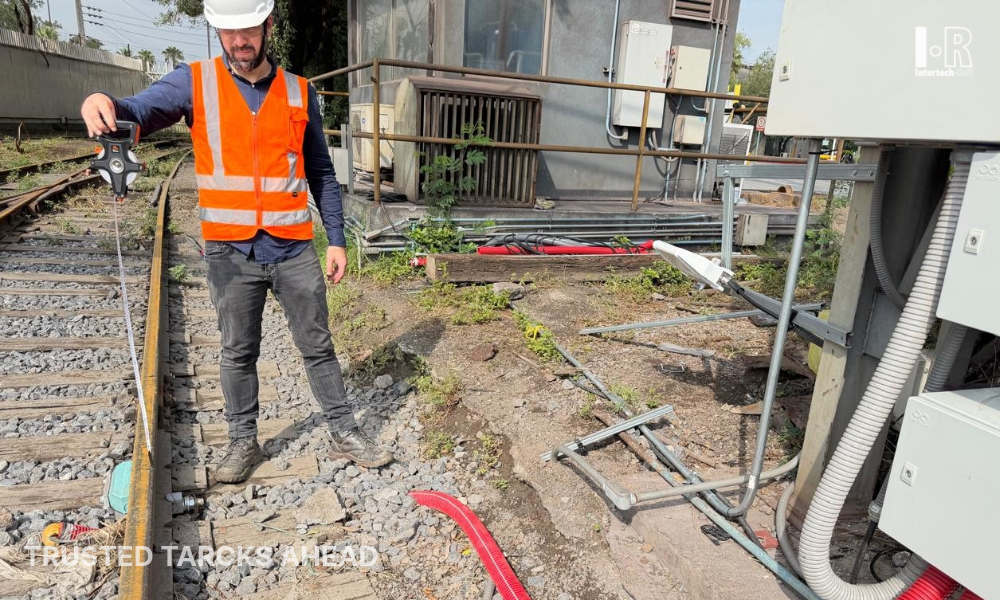
Each site needs power, communication and a good enclosure to protect the electronics. Calibration is also part of the routine. Another point we always mention: the detector needs to know which car it is reading. With wheel sensors and an AEI reader, like our Rail-ID®, every alarm comes with the car number, not only the axle position.
Turning Detector Data into Action
How are alarms classified and escalated?
Most railroads use alarm levels. A critical alarm means stop the train. Lower levels can mean reduce speed or inspect at the next yard. It is also important to look at trends. If the same car shows high temperature in three detectors in a row, or a wheel impact load detector keeps flagging the same wheel, maybe it is time to take it out of service.
What happens to the data afterward?
When each alarm is linked to a car number, the maintenance team can see the history of that car, plan repairs and find problems that keep coming back. edit this text, click on it and delete this default text and start typing your own or paste your own from a different source.
GO DEEPER ON THESE TRACKS: detectors prevent incidents only when sites and data stay reliable. Explore What Does an AEI Read Point Need Inside the Enclosure to Run Unattended? for enclosure and power practices shared with wayside sites, discover What Should a Yard Management System Do Before You Trust It With Operations? to see alarms linked to car identity, and review How Do You Specify a Switch Machine for Heavy-Haul and Remote Turnouts? for specifying equipment at heavy-haul sites. These related articles are already published or will be available soon.
What is AEI, and how does it work?
Automatic Equipment Identification (AEI) is a railway identification system that automatically reads RFID tags mounted on locomotives, freight cars, and other rail assets. As equipment passes a trackside reader, identification data is captured and transmitted to operational systems, creating a reliable record of asset movements without manual data entry.
Why is AEI important for modern railway operations, what challenges can it solve, and what benefits does it provide?
AEI improves operational accuracy by automating equipment identification across the rail network. It helps eliminate manual reporting errors, reduces labor requirements, accelerates asset tracking, and provides dependable movement records. Railroads use AEI data to support inventory management, train documentation, customer reporting, and operational visibility initiatives.
What technologies are commonly associated with AEI?
AEI systems typically include RFID tags, trackside readers, antennas, edge computing devices, communications networks, database platforms, and enterprise software. Many railroads integrate AEI data with transportation management systems, yard management platforms, asset tracking applications, and business intelligence tools.
What Intertech Rail solutions are available for AEI?
Intertech Rail provides a complete AEI portfolio including Rail-ID® readers, antennas, RFID tags, edge devices, and centralized software platforms. Solutions such as Rail-ID® Server, Rail-ID® Edge, Rail-ID® Xpress, and the MPRX Reader support automated identification and real-time monitoring of rail assets across railway networks.
Share article