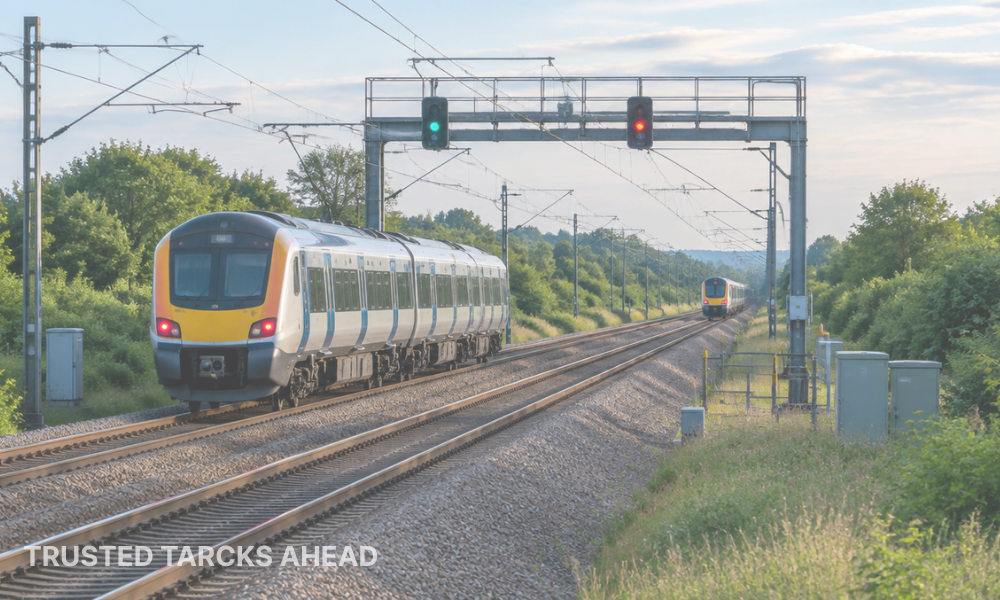
Why Do Track Circuits Fail and How Do You Diagnose the Root Cause?
From false occupancy to loss of shunt: finding the real cause behind repeat track circuit failures.
Every signaling maintainer has a track circuit that keeps dropping out for no obvious reason. Someone replaces the relay; it holds for a week, and then the call comes in again. Track circuit failure is rarely a mystery once you stop treating each event as a one-off. It's a pattern, and the pattern usually points at the track, not the box.
Understanding track circuit failure modes
What are the two failure categories every technician must know?
Right-side failures are the ones everybody notices. The circuit shows occupied when the track is empty, trains get held, and dispatchers phone the maintainer. Annoying, costly, but safe.
Wrong-side failures are the dangerous ones. Loss of shunt railway conditions means a train is on the section and the circuit still reads clear. Nobody calls about those until something goes wrong, which is exactly why they deserve more attention than they get.
Which conditions trigger most field failures?
Ballast is the usual suspect. Contamination, moisture, and poor drainage drag the ballast resistance down and starve the relay of voltage. Then there's the wheel-rail interface: rusty railheads on lightly used track, light vehicles that barely shunt, and contamination that turns a good shunt into a marginal one. Low ballast resistance tends to cause false occupancy, while the shunting problems sit at the other end of the risk scale.
Diagnosing a failure step by step
How do you isolate the fault quickly?
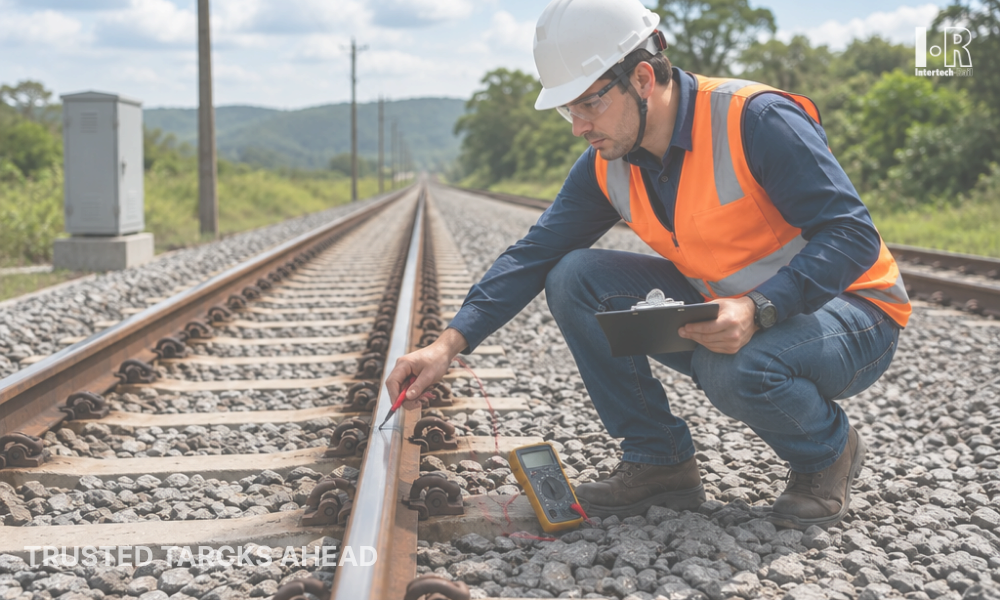
Start with voltage and current readings at both the feed end and the relay end. The gap between them tells you more than either number alone. Then work through the physical checks: bonds, insulated joints, and ballast resistance track circuit measurements. Most faults show up in one of those three places before you ever open a relay case.
Which records turn a repair into a diagnosis?
A repair fixes today's failure. A diagnosis explains why it happened. Keep failure history, note the weather on the day, and watch for repeat offenders. A section that fails every time it rains isn't a component problem, and swapping components won't change that. Separating component failure from environmental cause is the whole job, and it's where good track circuit troubleshooting pays for itself.
Preventing recurrence
What belongs in a track circuit maintenance program?
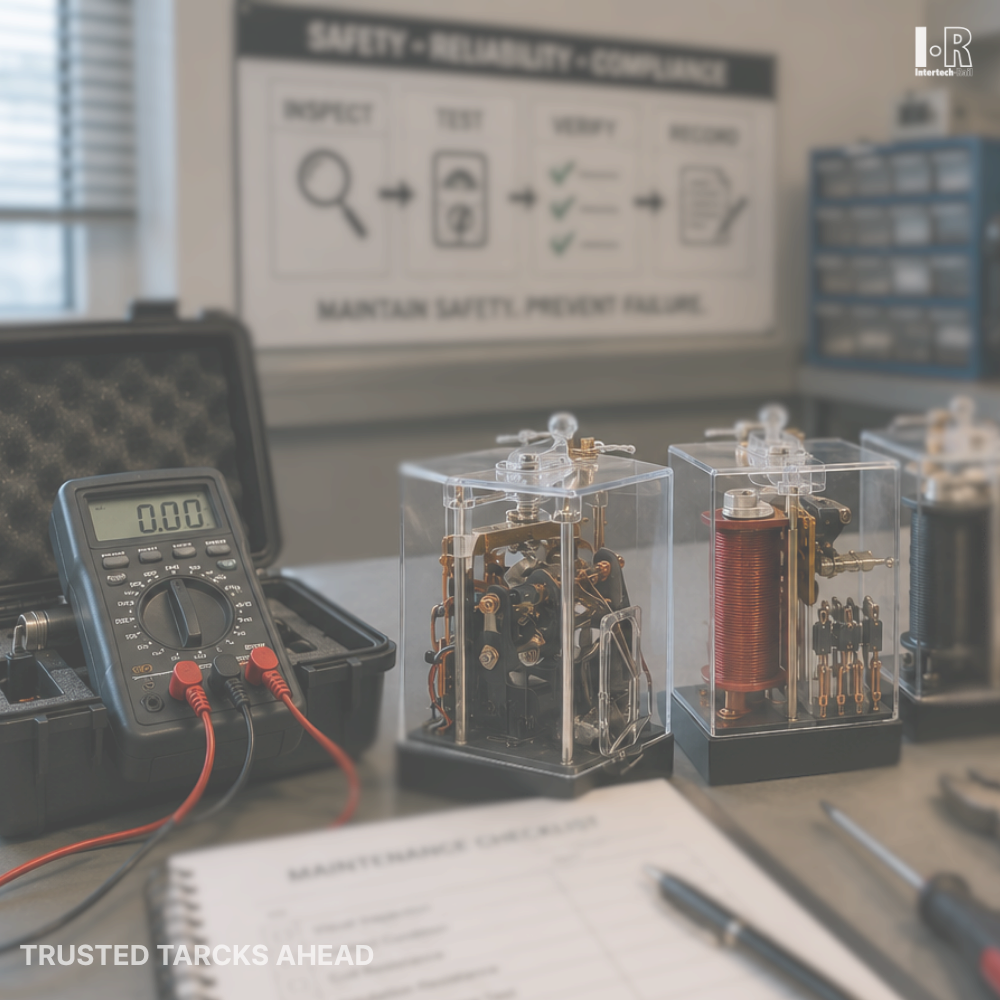
Inspection intervals, cleaning, and drainage management come first, because most of what goes wrong is on the ground. Relay testing, calibration, and adjustment records complete the picture. Reliable fail-safe relays matter here, but a good relay in a wet ballast section will still drop out.
How does condition monitoring change the maintenance model?
Trending voltage drift lets you see a section degrading weeks before it fails. That shifts the work from fixed intervals to risk-based inspection: you visit the sections that are actually deteriorating instead of walking the whole line on a calendar.
When repair is no longer the answer
What signals that a section should be redesigned or replaced?
Chronic failure rates and climbing maintenance hours are the signs. Once a section eats more labor each year than a rebuild would cost, repair has stopped being the economical choice. That's the moment to look at axle counters or newer track circuit types, and wheel sensors are a common route because they don't depend on ballast resistance at all.
GO DEEPER ON THESE TRACKS: diagnosing a failing track circuit gets easier once you know what block design expects from it and how yards cross-check detection data. Explore
Fixed Block or Moving Block: How Does Block Design Limit Your Line Capacity? for the capacity context, discover
How Do Rail Yards Combine Train Detection and Railcar Identification? for cross-checking detection, and review
What Does It Take to Build a Trackside Site That Survives the Field? for the environmental causes behind failures. These related articles are already published or will be available soon.
What is Signaling and how does it work?
Railway signaling is the system used to control train movements across a network safely. It combines signals, track circuits, relays, switch machines, and control systems to communicate movement authority and track conditions. By continuously monitoring train positions and route status, signaling systems help prevent conflicts and ensure trains operate safely and efficiently.
Why is Signaling important for modern railway operations, and what challenges can it solve and what benefits does it provide?
Signaling is fundamental to railway safety, capacity, and reliability. It helps prevent collisions, protects work zones, manages train spacing, and supports efficient traffic flow. Modern signaling systems also reduce operational delays, improve network utilization, and provide operators with greater control over increasingly complex rail operations.
What technologies are commonly associated with Signaling?
Common signaling technologies include track circuits, axle counters, fail-safe relays, interlocking systems, switch machines, wayside signals, centralized traffic control (CTC), communications-based train control (CBTC), positive train control (PTC), and condition monitoring systems. Digital communications and remote diagnostics are also becoming increasingly important within modern signaling environments.
What Intertech Rail solutions are available for Signaling?
Intertech Rail provides signaling-related solutions, including fail-safe relays, relay sockets and plugboards, switch machines, wheel sensors, and railway control hardware. These products support signaling infrastructure used in interlockings, track circuits, route control systems, and other safety-critical railway applications.
Share article