Supplier Qualification: Evaluating Fail-Safe Relay Vendors for Critical Railway Applications
Supplier Qualification: How to Evaluate and Select Fail-Safe Relay Vendors for Critical Applications
Railway signaling engineers rarely think about suppliers until something goes wrong. In practice, however, the reliability of an entire signaling architecture often begins long before equipment reaches the trackside cabinet. It begins during Supplier Qualification. Choosing a vendor for critical components such as fail-safe relays is not simply a purchasing decision. It is an engineering responsibility. The quality of that decision can influence system availability, long-term maintenance costs, and in extreme cases, operational safety.
The Importance of Rigorous Supplier Selection
Modern railways rely on layered protection mechanisms. Track circuits, axle counters, signaling logic, and relay interfaces all depend on components that must behave predictably under all conditions. This is why the supplier qualification process for these parts needs to be structured and disciplined.
Why Vendor Selection Matters for Safety-Critical Components
A relay that fails in an industrial application may cause downtime. In a railway system, the consequences can be far more serious. Signaling relays often operate within a fail-safe architecture where every contact state carries safety implications.
Poor vendor decisions can also create long-term technical debt. Replacement parts become difficult to source. Documentation disappears. Engineers end up reverse-engineering components years later during maintenance programs.
Another aspect engineers sometimes overlook is regulatory exposure. Railways operating under FRA, CENELEC, or other national safety frameworks must demonstrate traceability and conformity for safety components. Selecting an inadequate safety equipment supplier can complicate audits and compliance reviews.
Finally, there is the economic dimension. The lowest purchase price rarely reflects the true lifecycle cost. Maintenance frequency, failure rates, and product support all influence total ownership cost over decades.
Common Mistakes in Supplier Selection
One of the most frequent mistakes in vendor due diligence is focusing exclusively on the initial price. Procurement teams under budget pressure sometimes overlook deeper engineering considerations.
Another common issue is insufficient technical validation. Datasheets alone do not confirm reliability. Datasheets alone do not confirm reliability. Engineers should request failure statistics, environmental test data, and long-term field references whenever possible.
Support capability also deserves attention. Signaling equipment remains in service for many years. Vendors must demonstrate stable production processes and long-term technical support.
Building a Structured Evaluation Process
A disciplined vendor selection criteria framework helps avoid subjective decisions. Many rail organizations begin by defining operational requirements, safety certification expectations, and environmental constraints.
From there, evaluation matrices allow technical teams to compare suppliers objectively. Scoring systems typically consider engineering quality, manufacturing capability, safety certification, and lifecycle support.
Some railway operators also perform facility audits before approving vendors. These reviews help verify manufacturing discipline, traceability controls, and quality assurance processes.
In real projects, this process may appear extensive. Yet experienced signaling engineers know that careful Supplier Qualification almost always prevents larger problems later in the life of a railway system.
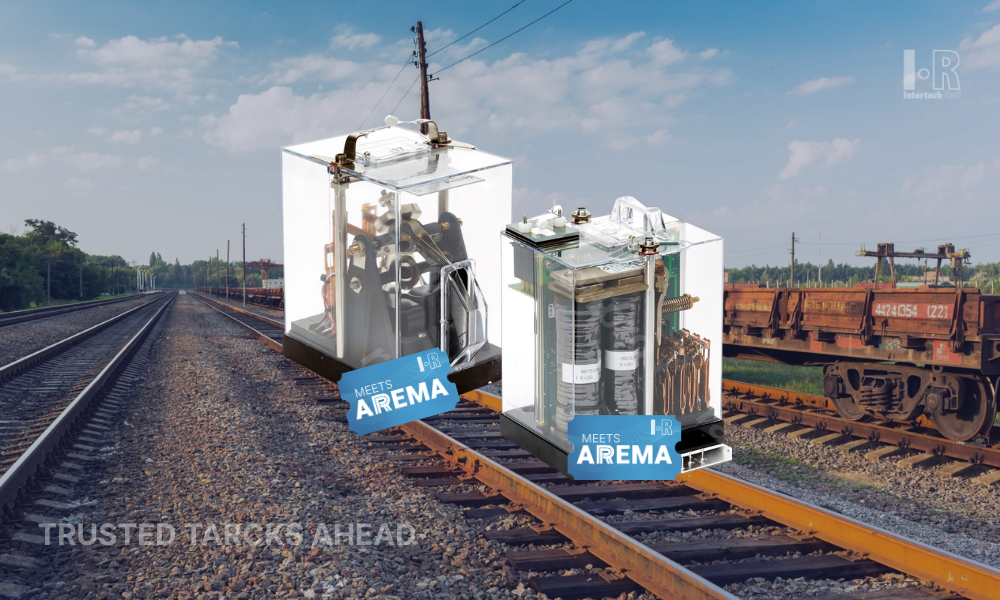
In many signaling projects, engineers also evaluate the long-term reliability of fail-safe relay technologies such as the B1 Relay and B2 Relay platforms used in several rail signaling architectures. Equipment like the IntertechRail Fail Safe Relays is typically assessed within these structured qualification processes, particularly when organizations analyze lifecycle reliability, maintainability, and field performance history.
Share article