Cybersecurity for Signaling Networks: Protecting Fail-Safe Systems from Digital Threats
The Evolving Cyber Threat Landscape
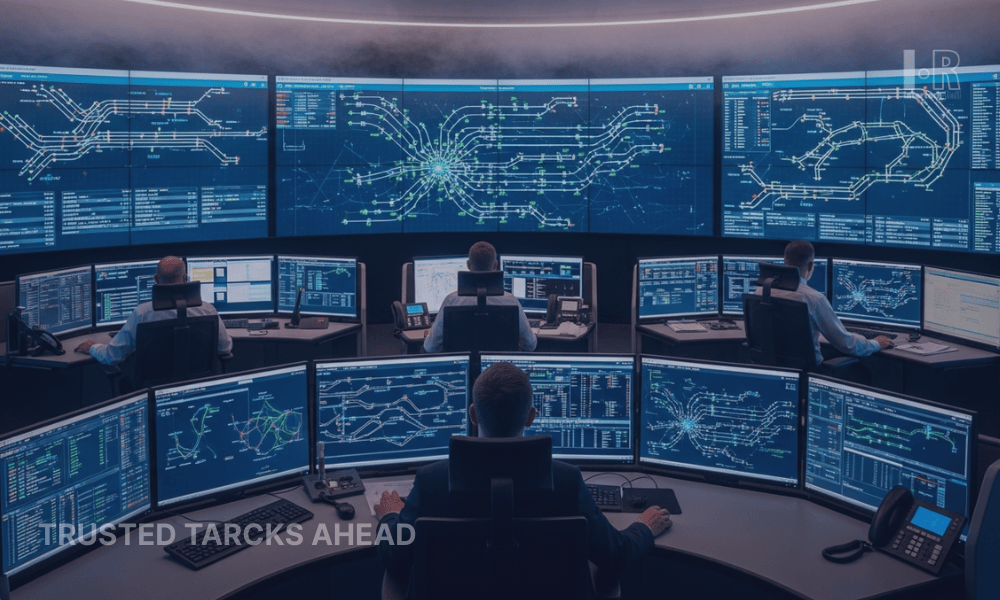
Traditionally, railway signaling has been associated with mechanical dependability and cautious engineering. For many years, the focus was on electrical redundancy, fail-safe logic, and relays that worked the same way every time. Today, another aspect needs equal emphasis. Engineers who work on modern signaling networks now put a lot of thought into cybersecurity.
The shift didn't happen all at once. As railroads slowly added remote diagnostics, centralized control, and data connectivity, their signaling systems became more like the digital ecosystems that other sectors employ. That change made cyber assaults on key infrastructure more plausible.
The Evolving Cyber Threat Landscape
Why Signaling Systems Are Becoming Cyber Targets
Historically, signaling systems were relatively isolated. Trackside cabinets communicated through dedicated circuits, and many relay-based installations had little connection to broader IT networks. Railways are now using integrated traffic management systems, remote condition monitoring, and cloud-based analytics, which have changed that situation.
More connections make operations easier, but it also makes the attack surface bigger. Modern signaling networks increasingly resemble industrial control system cybersecurity environments similar to power grids or manufacturing plants.
Another factor is the growing interest of nation-state actors in transportation infrastructure. Railroads are important for both the economy and the logistics of the country. If you mess with them, the effects can go well beyond the tracks.
Ransomware gangs have shown more lately that operational technological networks are good targets. Even if attackers can't directly change signaling logic, interrupting supporting systems can cause big problems with operations.
Insider threats are another big concern. If someone gets into a network without permission, uses credentials in the wrong way, or hacks into maintenance laptops, the network can become less secure.
Unique Challenges in Securing Safety-Critical Systems
Applying SCADA security best practices in railway signaling is not always straightforward. Safety requirements impose strict constraints on system behavior, certification, and modification procedures.
Many signaling assets are still in use after many years. It may be hard to upgrade legacy equipment because it was made before cybersecurity standards were in place.
Another important factor is real-time availability. Security measures must not affect the performance of deterministic signaling or cause control communications to take too long.
More and more, modern railway cybersecurity tactics are based on compliance standards like IEC 62443. However, carefully coordinating technical work is needed to combine these with current safety certification processes.
Cybersecurity Architecture for Signaling Systems
Defense in Depth Strategy
Experienced engineers rarely rely on a single protective measure. Effective Cybersecurity architecture typically follows a defense-in-depth philosophy.
Network segmentation is one of the first lines of protection. Separating signaling networks from corporate IT infrastructure makes it harder for incursions to spread.
Firewalls and intrusion detection systems give extra layers of monitoring that assist operators in spotting strange traffic patterns before they become problems for the business.
Access control is just as critical. Strict authentication rules and well-managed user rights make it less likely that someone will get in without permission.
Encrypting data exchanges also helps keep important operational information safe as it passes across systems that are connected to each other.
In many existing installations, relay-based logic continues to provide a robust foundation for fail-safe operation. Technologies such as IntertechRail fail-safe relays, including well-known architectures like B1 Relay and B2 Relay, illustrate how conservative engineering principles still play a valuable role. Even in highly digital environments, the physical isolation and deterministic behavior of these systems can form an additional layer of resilience.
So, cybersecurity in railway signaling is not just a problem for IT. It is an engineering field that combines digital defense, operational awareness, and the same careful approach that has kept trains safe for many years.
Share article