From Manual to Automated: A Step-by-Step Approach to Updating Old Railway Signaling Systems
Why Update Railway Signaling Systems Gradually?
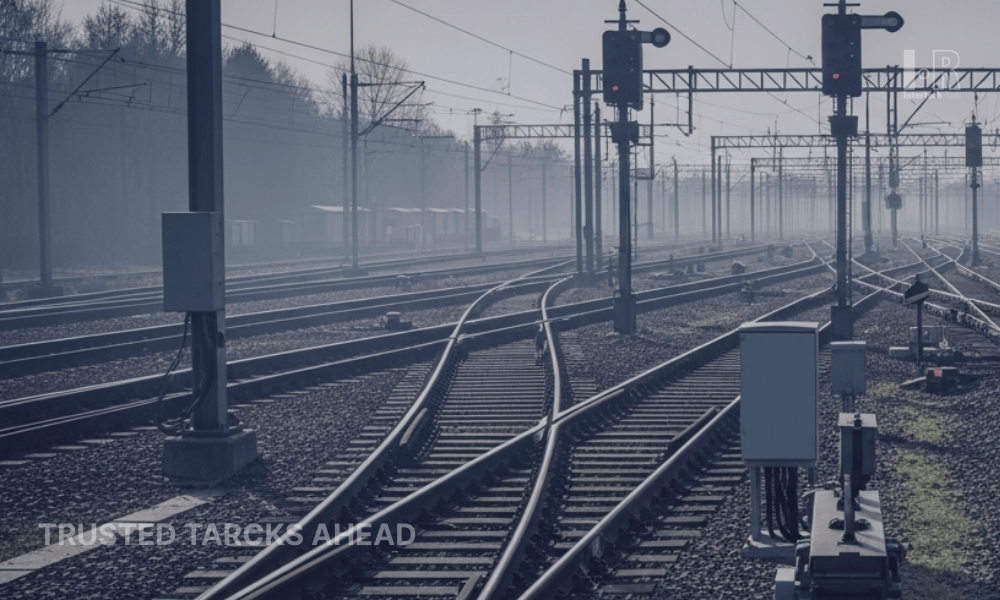
Railway signals don't change very often overnight. In many networks, trains are still controlled by equipment that was put in place decades ago. That long life is not a coincidence. The people who designed these systems had a conservative view of engineering that put dependability, ease of use, and safety first.
The people who built these systems didn't want them to be able to alter. Their mission was considerably simpler: to ensure the equipment works every day, no matter what. It still does in a lot of cases.
But things are different now than they were fifty years ago when it comes to running trains. There are more cars on the road. There aren't always enough resources for maintenance. Infrastructure managers are also using real-time operational data more and more. Railway firms need to know what's going on all around the network all the time.
It was never planned for older signaling systems to have that level of visibility.
Because of this, several train firms are currently exploring ways to improve their signaling systems. But in real life, they don't always change everything at once. Most programs to modernize things happen slowly. The current system keeps running while improvements are made one at a time.
What Is the Old System Problem?
What Are Old Railway Signaling Systems Like
Many legacy signaling installations share similar characteristics. They were designed to be durable and dependable over long periods of time. Changing them was never the priority.
Old Mechanical and Electromechanical Systems
Engineers still take care of mechanical or electromechanical systems that were put in place decades ago in some places. These installations depend on locking mechanisms, relay arrangements, and unique gadgets to make sure that trains move safely.
From a safety perspective, these systems often continue to perform well. The difficulty appears when changes are required. Introducing new equipment or modifying operational logic can require substantial physical alterations.
In other words, what was once an advantage, mechanical simplicity, can become a limitation when modernization is needed.
Modern fail-safe relays, such as Intertech Rail B1 and B2, continue to support safe operation while allowing integration with updated systems.
Old Fashioned Logic with Limited Diagnostic Tools
For decades, relay logic has been the main part of railway signaling. It is reliable, predictable, and built to last. It was the main way to safely control train movements for a long time.
But troubleshooting can be a different story.
These systems weren't designed to work with today's diagnostic tools. When anything goes wrong, technicians often look at wire schematics, relay statuses, and field tests to figure out what happened. That process can take a while on big installations. It can also get harder over time.
Systems like Rail-ID enable real-time asset visibility, addressing one of the main limitations of legacy signaling environments.
Old Parts and Lack of Support
Many older systems still use paper records. Some designs could not include all the information they need or might be out of date, especially if the field has changed a lot over the years. Because of this, experienced technicians who know how the installation works in real life usually have the most useful system knowledge.
Another problem is that parts are hard to find. Some relays, connectors, and interface devices that were used in older systems are no longer being made.
Railroad businesses could have to find replacement parts or engage with suppliers who know how to fix older equipment. So, it becomes harder and sometimes more expensive to keep these systems working.
Paper Records and Experienced Technicians
Documentation presents another issue. Many older systems still use paper records. Some designs could not have all the information they need or might be out of date, especially after years of developments in the area. Because of this, technicians who have worked on the installation in real life and know how it works are usually the ones who have the most helpful system expertise. Their experience can be equally significant as the papers they have.
Why Is Replacing Everything Not Always Possible?
Even when modernization becomes necessary, replacing the entire system at once is rarely practical.
Not Enough Money
It costs a lot of money to set up modern signaling systems. Railway firms have to weigh the cost of improving signaling systems against other important things, including buying new rolling stock, fixing bridges, and keeping the tracks in good shape.
Large modernization programs compete with many other infrastructure needs.
Disrupting the Service
Installing a completely new signaling system can also affect railway operations. In some situations, train services must be temporarily suspended while equipment is installed and tested. For busy rail corridors, this kind of disruption can be difficult to manage.
Following the Rules and Testing
New signaling systems must also go through extensive testing and regulatory approval before entering service. These procedures are essential for safety, but they can take considerable time.
The Risk of Big Problems
There is another concern as well. Large-scale replacements concentrate technical risk into a single moment.
If problems occur during commissioning, restoring normal operations can become complex.
Why Update the System a Little at a Time?
Because of these constraints, many railway companies choose a gradual modernization strategy.
Spreading the Cost
Introducing improvements step by step makes modernization easier to finance. Instead of a single large investment, costs can be distributed across several years.
Reducing the Risk
A phased approach also reduces technical risk. Each upgrade can be implemented and tested before the next stage begins.
Learning and Adapting
Gradual modernization allows railway companies to learn as the project progresses. Each stage provides insights into how the system operates and what adjustments may still be necessary.
Keeping the Trains Running
Perhaps the most important advantage is operational continuity. Trains can continue running while improvements are introduced.
Looking at the Old System and Planning
Engineers need to know a lot about the current installation before they start any modernization work. Changing the signaling infrastructure without first looking at how it is set up now can put you in danger for no reason.
Checking the records and the equipment
The initial step is normally to look over the paperwork and check the equipment in the field. This helps to make sure that the system works as it should.
Checking the equipment's condition and looking for problems
Engineers check the condition of the parts when they understand how the arrangement works. The purpose is to find possible reliability concerns before they cause problems with operations.
Deciding What to Update First
Railway companies use this information to figure out which parts of the system need to be improved first. The first improvements might be to detection systems, communication interfaces, or other important parts.
Setting Goals and Measuring Progress
Finally, modernization requires clear objectives. Railway companies must define what they want to improve and how success will be measured.
Only then can they determine whether the upgrades are delivering real improvements to the Railway Signaling Systems.
Share article