Winter Operations: Protecting Signal Equipment from Snow, Ice, and Extreme Cold
How Does Winter Impact Signaling Infrastructure?
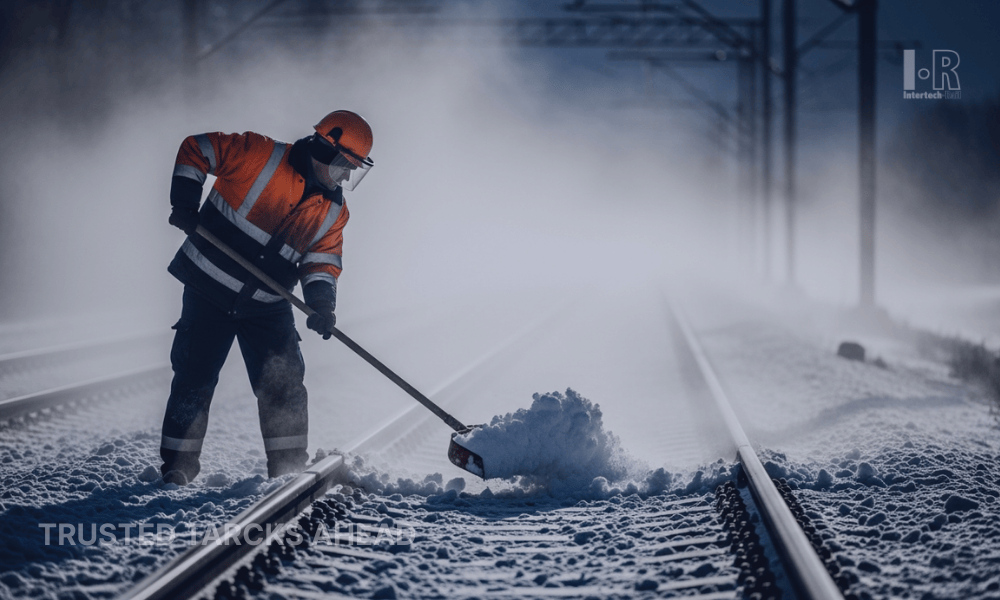
For railways functioning in cold climates, winter is more than just another season. It swiftly integrates into routine activities. Snowstorms, icy rain, and extended cold temperatures continuously strain the signaling systems set up along the tracks.
In contrast to indoor control systems, wayside signaling devices are completely susceptible to environmental conditions. Sensors, relays, trackside electronics, and communication devices function continuously during storms, frigid nights, and high winds. Anyone tasked with maintaining these systems knows that reliability cannot rely on good weather.
As a result, successful winter operations often commence well before the initial snowfall; engineers must take environmental factors into account when designing and choosing equipment, ensuring that signaling systems function dependably in real-world conditions, not just in optimal situations.
The Impact of Winter on Signaling Infrastructure
How Cold Weather Affects Signal Equipment
Cold temperatures seldom lead to a singular dramatic breakdown. The effect tends to emerge slowly as multiple environmental factors start to affect the system simultaneously.
Materials react differently to cold temperatures, electrical systems lose efficiency, and managing moisture becomes more challenging. Individually, each of these factors might appear to be under control. However, when they happen simultaneously, the overall dependability of signaling equipment may start to weaken.
Material Brittleness and Mechanical Failures
Low temperatures alter the properties of various materials employed in signaling devices. Plastics that stay pliable in warmer weather may turn stiff after prolonged exposure to cold. Rubber gaskets can stiffen and diminish flexibility, whereas metallic parts may slightly shrink when temperatures decrease.
Individually, these alterations might seem minor. As time progresses, the continual cycles of freezing and thawing slowly exert pressure on connectors, housings, and structural elements.
For engineers using cold-weather signaling devices, choosing materials that maintain stability in low temperatures is crucial for long-term system dependability
Battery Performance Degradation
Winter conditions also affect power systems. As temperatures drop, batteries inherently decrease in capacity, impacting remote signaling setups that depend on backup power.
Field technicians frequently notice this in the initial cold weeks of the season. A battery that functions well in summer may provide significantly reduced capacity during a lengthy winter night.
Condensation and Ice Formation in Enclosures
Humidity can pose extra difficulties within equipment cabinets. When temperatures vary, condensation can develop inside enclosures. If temperatures decrease once more, that moisture will freeze.
As time passes, these freeze–thaw cycles can impact connectors, electrical contacts, and delicate electronics. Consequently, stopping moisture infiltration becomes a crucial aspect of preparing railway systems for winter.
Snow and Ice Accumulation on Outdoor Equipment
Snow accumulation around trackside equipment can additionally disrupt daily operations. Signal heads, sensors, and detection devices can become partially obstructed during storms or high winds.
Often, the equipment remains operational, yet built-up snow can impair visibility and complicate inspection or maintenance tasks.
Operational Consequences of Winter Failures
Winter-related signaling problems can influence railway operations in several ways.
Service Disruptions During High Traffic Periods
Freight railroads often run close to their limits in the winter season. When signaling problems arise, delays can rapidly spread throughout the network.
Emergency Maintenance in Harsh Conditions
Maintenance crews face difficulties when executing repairs during snowstorms or severe cold weather. Access to tools may be restricted, and the work environment is frequently challenging.
Reduced Signal Visibility
Snow accumulation on signal heads may reduce visibility for train crews, which can affect safe railway operations.
Engineering Strategies for Winterized Signaling Systems
Equipment Designed for Harsh Environments
Railways operating in cold climates typically rely on signaling equipment designed specifically for outdoor conditions.
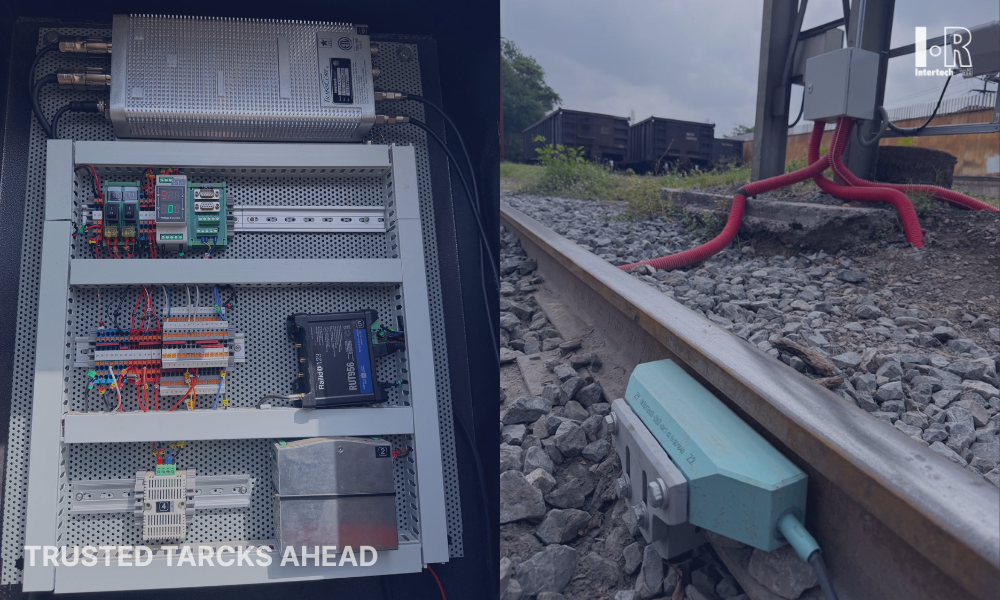
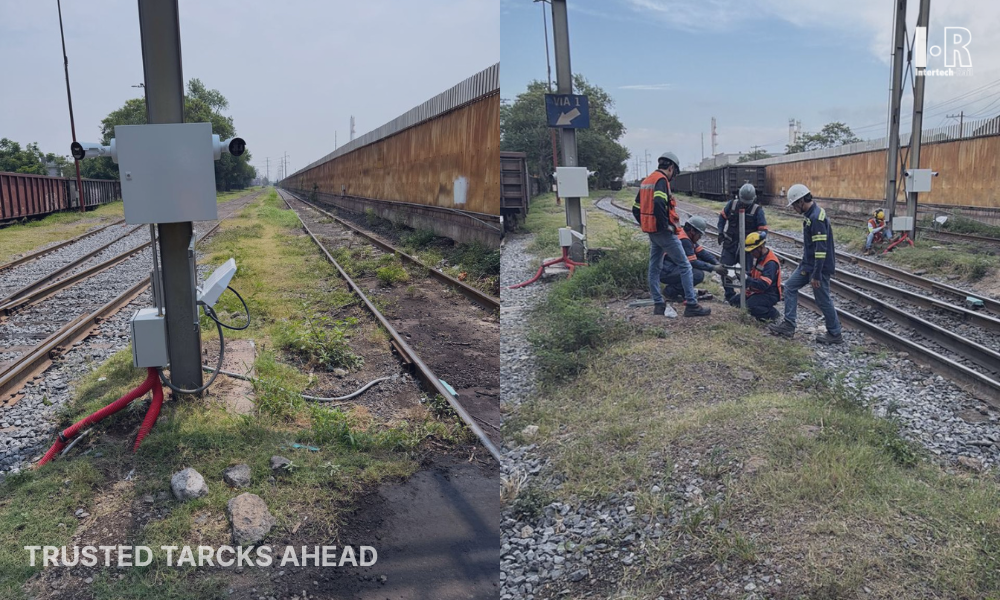
Weather-resistant enclosures, fail-safe relay technology, and robust wayside electronics help maintain reliable operation even in demanding environments.
Technologies such as fail-safe relays, RFID-based rail identification systems, and balise systems, similar to solutions developed by Intertech Rail, are engineered to operate reliably as part of modern snow ice railway protection strategies.
Environmental Protection and System Design
Ultimately, dependable winter operations start long before the arrival of the first snowstorm. By choosing signaling equipment that considers actual environmental conditions, railways can operate safely even in areas where winter temperatures routinely drop significantly below freezing.
Share article