What Does an AEI Read Point Need Inside the Enclosure to Run Unattended?
From power and edge processing to remote health alarms: what a trackside enclosure needs so an AEI site keeps reading without a truck roll.
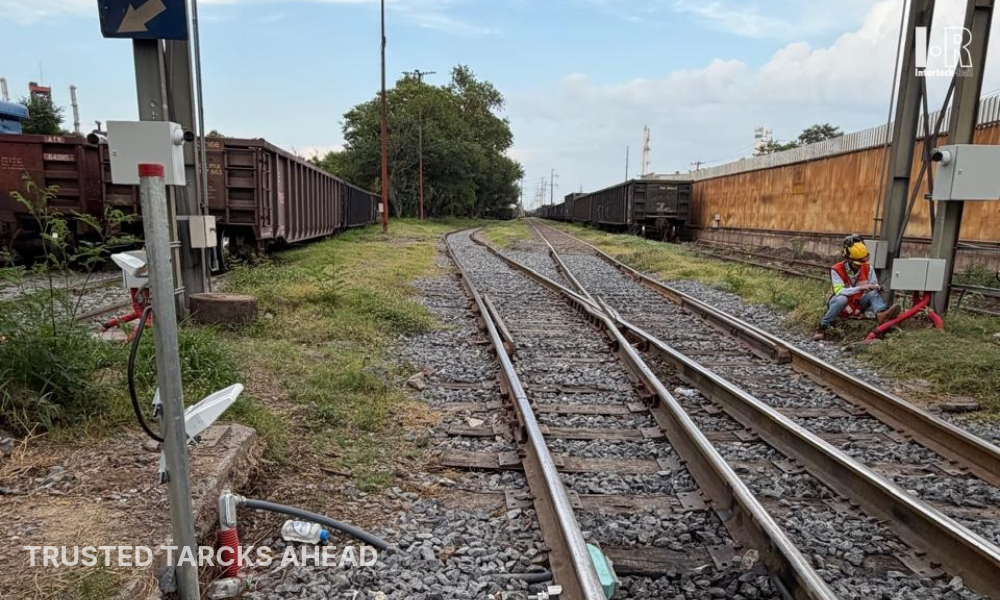
Every few years I get called out to an AEI site that “stopped reading,” and almost every time the reader turns out to be fine. It’s the cabinet. Somebody’s power supply cooked itself in July, or water found a gland nobody sealed. A good AEI reader enclosure won’t make the site look better on commissioning day. It makes the phone stop ringing eighteen months later.
Why the enclosure decides AEI availability
What actually fails at an AEI read point?
Power goes first. A brownout, a flaky supply, a battery nobody tested. Then heat and moisture, then vibration working a loose terminal until it quits. The reader reboots, a few cars slip through unread, and the data just has holes in it. Nobody sees the holes until a consist comes up short at the other end.
Why is the site, not the reader, the usual root cause?
Because sites get built in a hurry. A field-built cabinet with wiring that only the original installer understands is a fault waiting for a new technician. I’ve traced connections that weren’t on any drawing, and it’s slow work in the cold. A real trackside equipment cabinet is drawn once, labeled, and built the same way every time.
What belongs inside a modern AEI enclosure

Which subsystems must share the same cabinet?
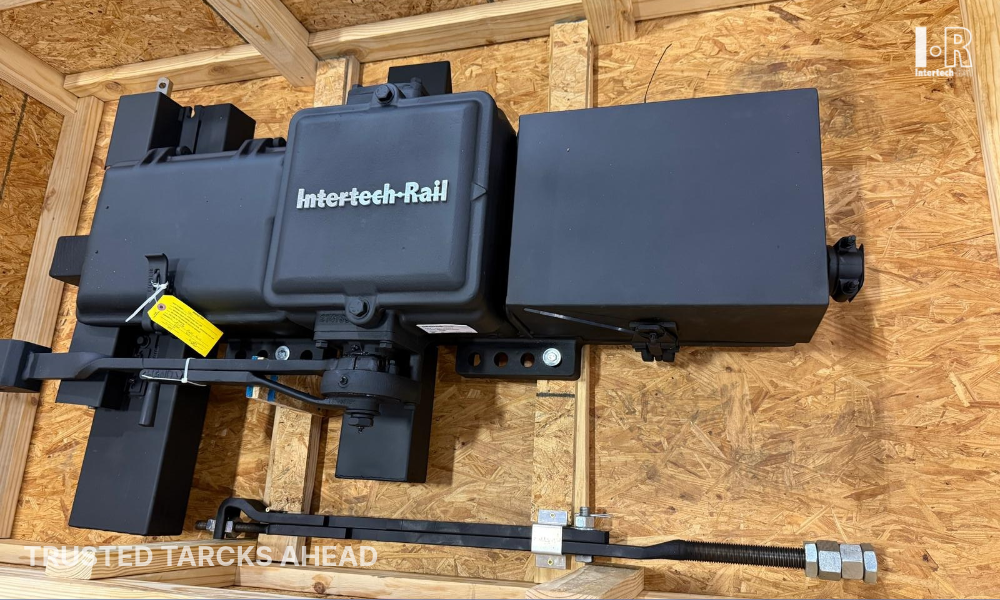
Reader, antennas, sensors, and the edge processor all go in together, plus something that watches the cabinet itself: temperature, door, voltage. If the box can’t tell you it’s getting hot, you find out when it dies. Rail-ID ARK, the Intertech Rail AEI enclosure, was built around that idea. One pre-engineered platform instead of a pile of parts bolted to a plate.
How does edge processing change the architecture?
The edge unit builds the consist on site and holds it when the link drops. When the connection comes back, it sends everything. You don’t lose a train because a modem had a bad afternoon. The catch is that more computing means more heat and more power draw, so the enclosure and the electronics have to be designed together.
Keeping the read point online between site visits
What availability target should an AEI site meet?
Depends on how far away the site is. A missed read costs you something, and so does sending a truck two hours each way. A remote site can justify a lot more redundancy than one next to the yard office. Put the two costs side by side and the right level of backup usually becomes obvious.
What must be monitored remotely from day one?
Door open, temperature, voltage, and reader health. Set these up before go-live, not after the first failure. A cabinet that’s running a few degrees hotter every week is telling you something, and a small alarm today beats a dead site next summer.
Scaling from one track to a multi-track site
What changes when one site covers several tracks?
Cross-reads. A tag on track two gets picked up by the antenna on track three, and suddenly your data is wrong in a way that looks right. Keeping channels independent inside a single enclosure, with antennas placed to match, is what stops that. One cabinet can serve several tracks without one lane polluting another.
What should appear in a read-point specification?
Put the basics in writing: enclosure rating, power, I/O, telemetry, and who can get in and how. Then decide whether you want a pre-engineered platform or a cabinet assembled in the field. For AEI read point installation across many sites, I’d take the pre-engineered one, because the tenth site looks exactly like the first. Connect it to Rail-ID so the health data lands with someone who can act on it. And write your wayside enclosure railway requirements into the spec before the first cabinet goes into the ground.
GO DEEPER ON THESE TRACKS:
a reliable read point depends on the site and the data. Explore
Why Do AEI Reads Fail, and How Do You Diagnose a Low Read Rate? to see how site choices affect read rate, discover
What Should a Yard Management System Do Before You Trust It With Operations? for what yard platforms expect from read data, and review
Which Wayside Detectors Does a Freight Network Actually Need? for shared trackside monitoring practices. These related articles are already published or will be available soon.
What is AEI, and how does it work?
Automatic Equipment Identification (AEI) is a railway identification system that automatically reads RFID tags mounted on locomotives, freight cars, and other rail assets. As equipment passes a trackside reader, identification data is captured and transmitted to operational systems, creating a reliable record of asset movements without manual data entry.
Why is AEI important for modern railway operations, what challenges can it solve, and what benefits does it provide?
AEI improves operational accuracy by automating equipment identification across the rail network. It helps eliminate manual reporting errors, reduces labor requirements, accelerates asset tracking, and provides dependable movement records. Railroads use AEI data to support inventory management, train documentation, customer reporting, and operational visibility initiatives.
What technologies are commonly associated with AEI?
AEI systems typically include RFID tags, trackside readers, antennas, edge computing devices, communications networks, database platforms, and enterprise software. Many railroads integrate AEI data with transportation management systems, yard management platforms, asset tracking applications, and business intelligence tools.
What Intertech Rail solutions are available for AEI?
Intertech Rail provides a complete AEI portfolio including Rail-ID® readers, antennas, RFID tags, edge devices, and centralized software platforms. Solutions such as Rail-ID® Server, Rail-ID® Edge, Rail-ID® Xpress, and the MPRX Reader support automated identification and real-time monitoring of rail assets across railway networks.
Share article