Railway Safety Certification: Standards and Approval Processes for Fail-Safe Signaling Systems
Railway Safety Certification Framework
In rail signaling, nothing gets installed just because it looks solid on the bench. What really matters is whether the equipment can hold its behavior when the environment stops cooperating, such as heat, cold, vibration, a loose connection, or even a momentary power dip. Certification exists to check exactly that.
It’s not decoration. It’s the way the industry proves, on paper and in tests, that a system will default to the safest state when something goes wrong.
International Safety Standards (CENELEC EN 50129, IEC 61508)
Two standards shape most of the approval work:
- EN 50129, which deals directly with signaling logic and how the safety case should be structured.
- IEC 61508, a broader safety framework that many suppliers use internally to keep development controlled and traceable.
These documents are less about recipes and more about discipline: follow the lifecycle, record the reasoning, and test the claims.
Safety Integrity Levels (SIL) and Certification Requirements
SIL ratings define how reliable a system has to be. Higher levels demand more evidence and more formal control of the engineering process. To reach a SIL target, teams usually:
- list every credible hazard
- estimate failure probabilities
- show that the device goes to a safe state when it loses supervision or energy
- and tie every requirement to a test result
It’s slow work, but the payoff is a system that behaves predictably.
Certification Bodies and Approval Processes
After the engineering team finishes its part, independent assessors review the whole picture. TÜV, CERTIFER, and other authorities check the documentation, traceability, and test data. They look for consistency, not only in the device, but in the way it was built, reviewed, and maintained.
Only then does the system receive approval for use on a live railway.
Certification Process for Fail-Safe Relay Systems
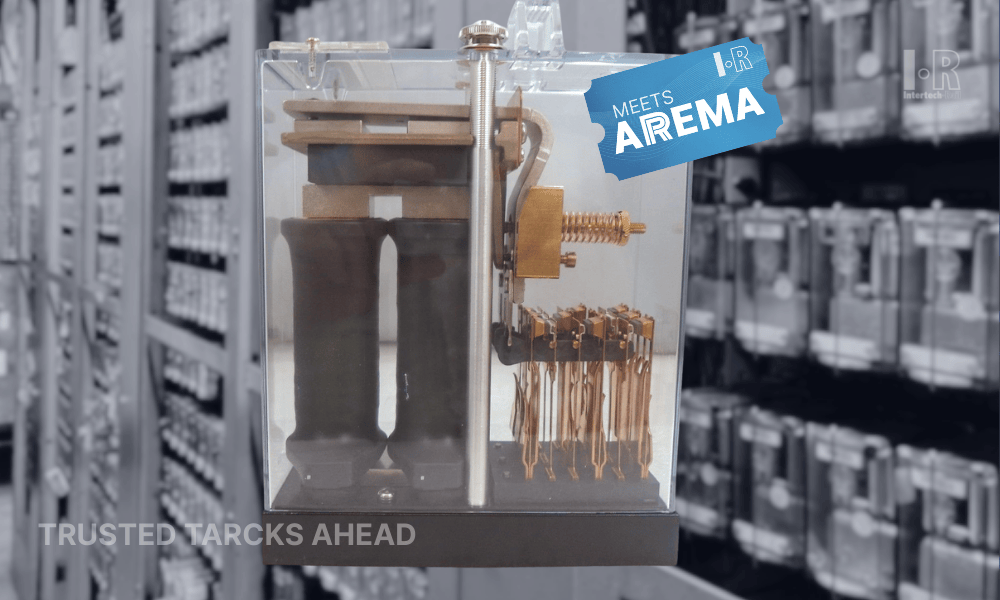
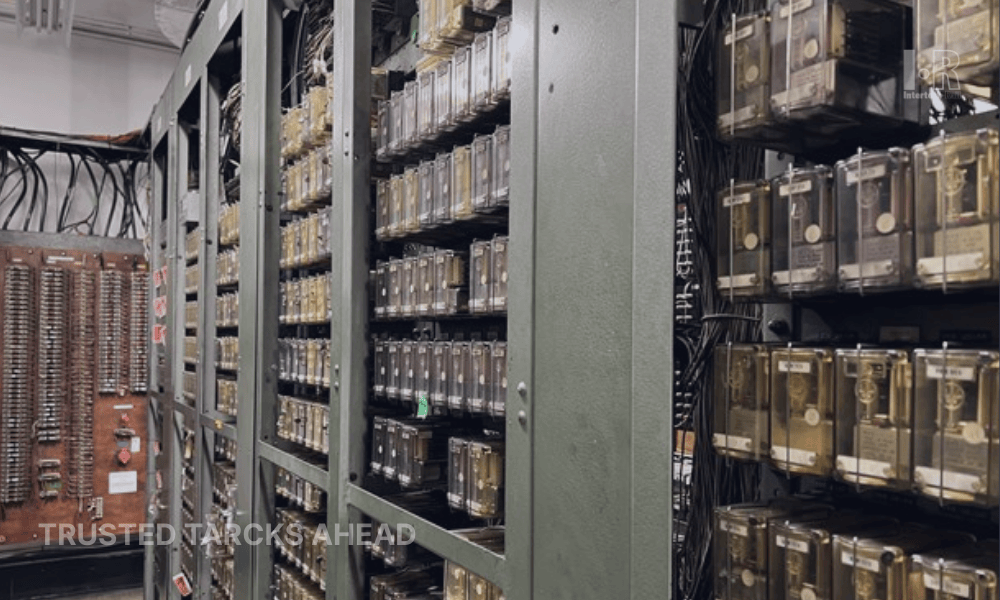
Relays seem old-fashioned, but they still sit at the center of many signals. Because one relay can decide whether a route is protected or not, its certification is extremely strict.
Safety Case Development and Testing
A relay’s safety case usually includes:
- an analysis of failure modes and how the relay reacts to each one
- results from timing tests, coil checks, and mechanical cycling
- evidence that the relay naturally falls into the safest position during faults
- and full documentation linking requirements to verification
If the relay ever hesitates or behaves inconsistently during testing, it doesn’t move forward in the process.
Quality Management, Configuration, and Compliance Testing
Certification doesn’t stop at the device. Assessors also verify:
- how the manufacturer controls design changes
- whether production batches are fully traceable
- and if quality procedures are followed the same way every time
Compliance tests cover endurance, insulation, dielectric strength, and environmental stress. The intention is clear: the relay installed five years from now must match the one that earned approval.
Share article