
Railway Signal Relay Troubleshooting: Diagnostic Techniques and Problem Resolution for Fail-Safe Systems
Common Fail-Safe Relay Problems and Symptoms
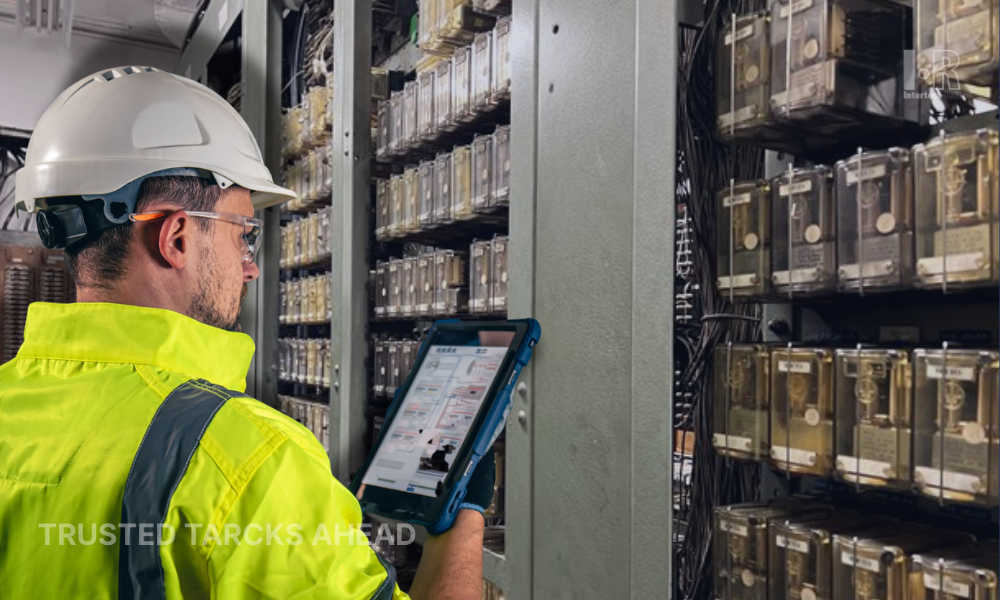
Anyone who has spent time inside a signal house knows that relays rarely fail in a clean, obvious way. Most of the time, something feels off long before the fault becomes clear. A relay that used to click sharply starts sounding tired. Or it picks up a little slower than usual. Sometimes it drops when nothing else around it has changed. Those small signs usually mark the start of a bigger problem.
Field technicians tend to look at symptoms first. A slow pickup can point to weak voltage or a coil beginning to age. Contacts with inconsistent readings can mean oxidation or dirt. Buzzing may suggest mechanical friction. And at least half of the “relay problems” reported in the field turn out to be wiring fatigue, humidity in the cabinet, or terminals that worked loose over time.
Electrical, Mechanical, and Environmental Failures
Most relay problems fall into one of three groups.
Electrical issues
These show up when pickup or dropout values drift away from what the relay was designed for. Coil resistance changes, insulation weakens, and contacts start heating more than they should. Sometimes the relay works fine one day and not the next, usually when the cabinet temperature swings.
Mechanical issues
Years of cycling take their toll. Springs lose their strength. Armatures stop moving as freely as they once did. A relay might still operate, but the timing is no longer within safe limits. Even a small delay can trigger false indications in a signaling circuit.
Environmental issues
These creep in slowly. Dust, vibration, condensation, and temperature all affect how the relay behaves. A relay can be perfectly healthy but fail because the environment around it is no longer friendly.
Knowing which of the three is causing the trouble saves a lot of time in the long run.
Diagnostic Tools and Troubleshooting Techniques
Troubleshooting usually starts with the easy things. People who work with relays learn to trust their eyes and ears before jumping to instruments.
Electrical Testing, Visual Inspection, and Advanced Diagnostics
A quick visual check catches many problems. Burn marks, corroded terminals, bent contact arms, and loose screws are more common than most expect. Sometimes the issue isn’t the relay, it’s the cable next to it or moisture trapped inside the cabinet.
Electrical testing comes next. Technicians measure coil resistance, pickup and release values, insulation condition, and contact resistance. If these numbers drift far from the baseline recorded during installation or previous inspections, the relay is usually heading toward failure.
When the relay behaves normally during testing but still causes trouble in service, advanced tools help. Portable analyzers can record timing curves, see armature motion in real time, and catch irregularities that only appear under vibration or heat.
In the end, troubleshooting relays is a mix of routine checks and intuition built over the years. Most problems can be solved without replacing the device, but only if the technician understands what the relay is trying to communicate.
For readers interested in going deeper into relay technology, you can explore more relay-focused articles here.
Share article