Railway Emergency Response Systems: Fail-Safe Relay Integration for Critical Safety and Disaster Management
How Fail-Safe Logic Supports Railways in Their Toughest Moments

Anyone who has worked through an incident on a railway knows how quickly a normal day can shift. A sudden equipment failure, a weather event, a stalled train, situations that begin small can turn into operational emergencies if signals, people, and procedures do not respond in a steady, coordinated way.
Emergency response in railway operations relies on systems built to behave correctly even when everything around them is uncertain. This is where fail-safe relays and their supporting architecture prove their worth.
Emergency Response in Railway Operations
Railways plan for emergencies constantly. Not because they expect them every day, but because a well-prepared system handles disruptions without losing its structure. The aim is simple: when something feels wrong, the signaling system must force the safest possible outcome.
Fail-Safe Response Mechanisms and Coordination
Emergency logic begins with fail-safe thinking. If a relay coil loses power, the system shifts into a restrictive state. If a track section stops reporting correctly, trains slow down or stop. These behaviors are not optional reactions; they are baked into the design so that uncertainty never becomes risk.
Coordination matters just as much as design.
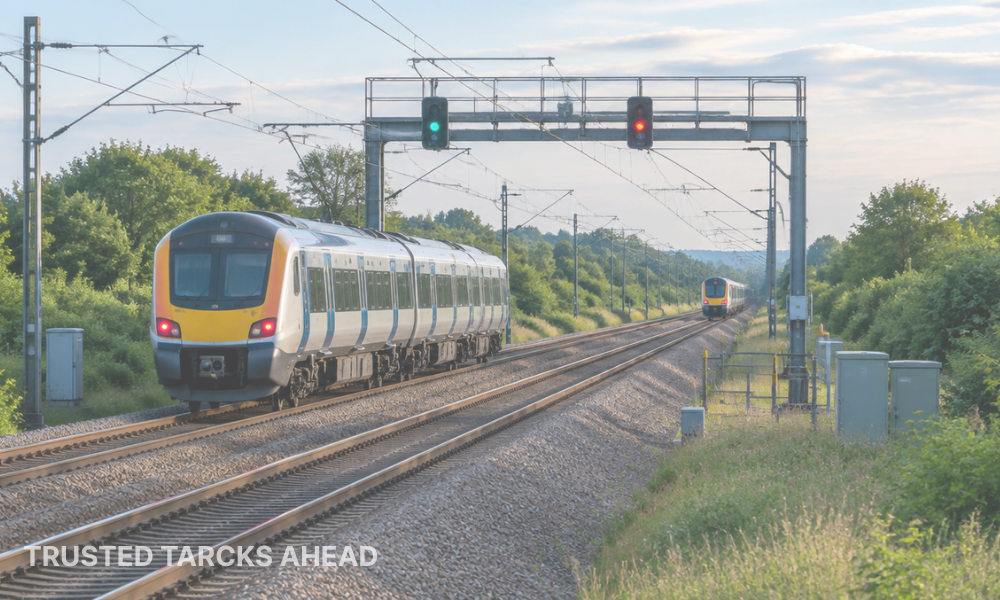
During an incident, dispatchers, maintenance crews, and control centers rely on predictable system behavior to plan their next steps. A signal that defaults to danger or a relay that opens under fault conditions gives everyone the same clear message, even before teams arrive in the field.
Emergency response routines often involve:
• isolating the affected area
• preventing new routes from being set
• securing switches and track circuits
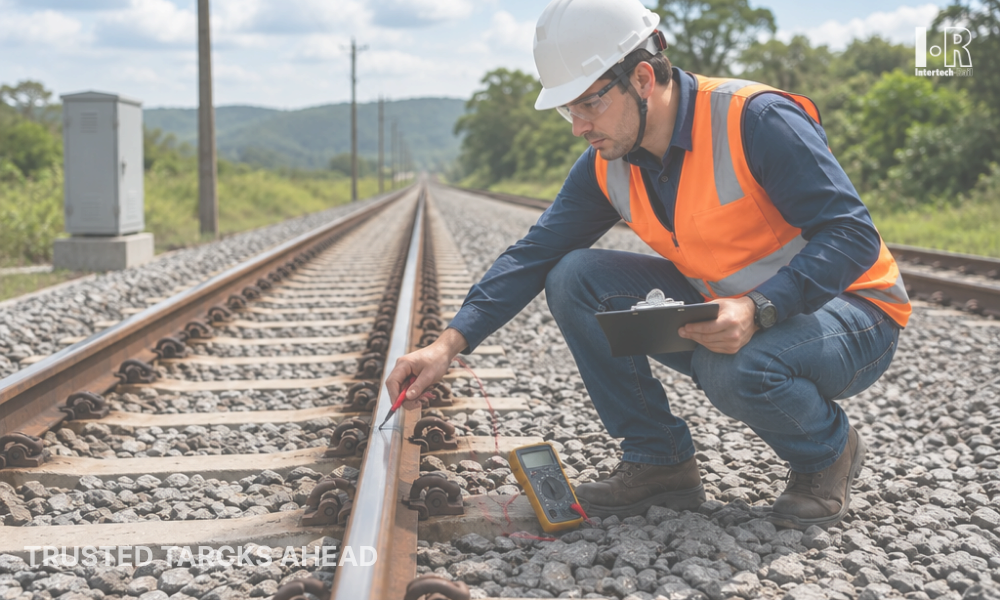
• confirming equipment state manually if needed
• restoring blocks gradually, one safe step at a time
Railway emergency systems work best when humans and hardware speak the same language of caution.
Fail-Safe Technologies for Emergency Response
Modern emergency response depends on a mix of long-trusted components and newer diagnostic layers that help detect trouble earlier. Fail-safe relays remain at the center because they anchor the logic that determines how the system behaves during high-pressure situations.
Detection, Control, and Backup Systems
Detection
Detection systems have expanded beyond simple track circuits. Today, railway emergency response systems may read changes in current, electrical noise, relay timing patterns, and sensor signals that reveal issues before they become visible.
A small drift in performance can trigger a restrictive state that protects trains until technicians arrive.
Control
Once an emergency is detected, the control logic decides how the network reacts. Fail-safe relays enforce these decisions mechanically, even if power drops or communications degrade.
Their role becomes particularly important during storms, equipment overloads, or incidents that disrupt normal routing. The mechanical certainty of a relay, the way it falls into a safe state, anchors the reliability of the entire emergency response chain.
Backup Systems
Railway disaster management also depends on redundancy. Backup paths allow signals to drop to danger correctly, switches to lock in safe positions, and communications to continue even when primary systems struggle.
Emergency railway signaling relies on these backups as much as on the main systems themselves. They buy precious time, and in an incident, time is often the deciding factor between a contained event and a wider disruption.
Why Fail-Safe Integration Matters During Emergencies
In emergency railway signaling, the system must act before the human response fully mobilizes. The first line of defense is the equipment itself. Fail-safe relay integration ensures that no matter the cause, electrical fault, equipment fatigue, environmental extremes, or human error, the system chooses the option that reduces risk.
Over the years, many networks learned the same lesson:
The most effective emergency response systems are those where old and new technology complement each other instead of competing.
Legacy relays provide predictable reactions; modern sensors offer early warning; operational teams tie it all together through training and communication.
Railway emergency systems exist to keep the network stable when conditions are anything but stable.
Through detection tools, reliable relay-based control, and backup paths that remain operational under pressure, fail-safe design becomes the backbone of railway disaster management.
When hardware reacts with clarity, and people work from the same shared understanding, railways recover from emergencies faster and with greater confidence.
Share article