What Is a Rail Yard Digital Twin and How Can It Improve Freight Operations?
Understanding Digital Twins in Freight Rail
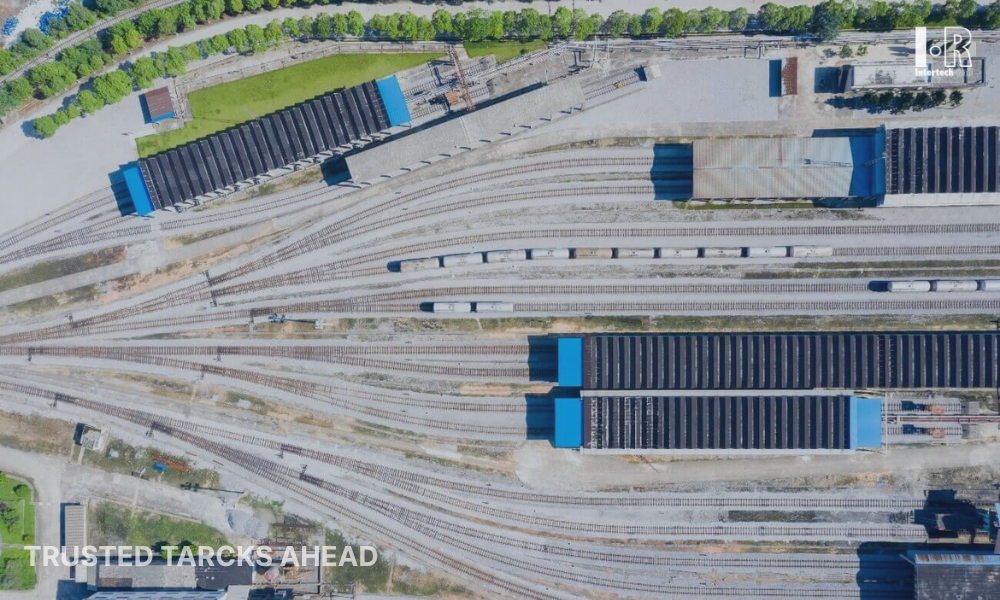
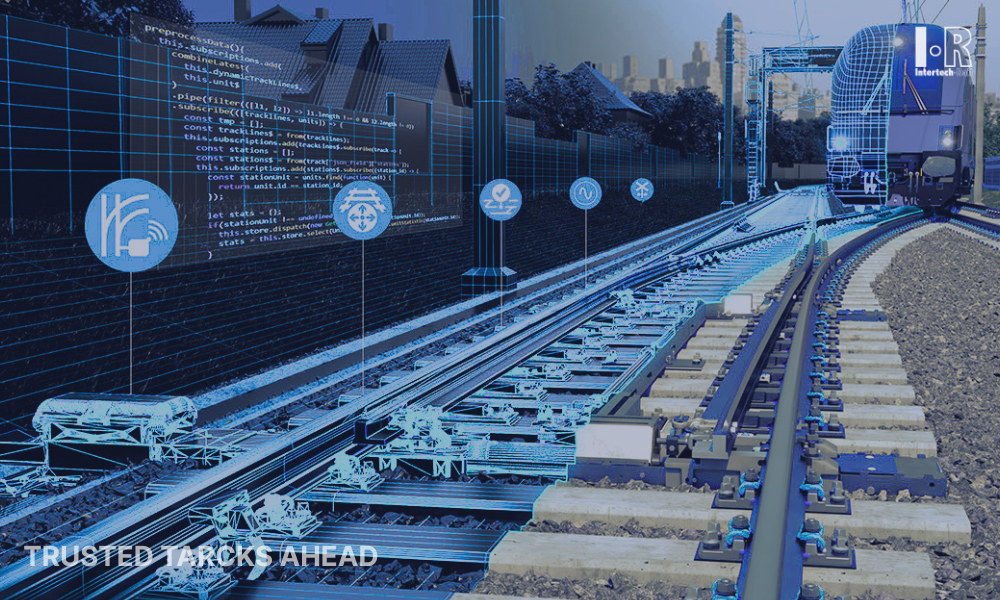
The term digital twin has become common in the rail industry, but inside a yard, the idea is fairly simple. Think of it as a live copy of the operation. As trains arrive, cars move between tracks, or switches change position, the model changes too.
Because it follows the operation in real time, the information stays current. Yard teams no longer have to rely only on static layouts or manually updated records to understand what is happening.
What Is a “Digital Twin” of a Rail Yard?
Virtual Representation of Tracks, Cars, and Movements
A rail yard digital twin brings together the yard layout and the information generated during daily operations. Tracks, railcars, locomotives, switches, and train movements all appear in the same operational model, making it easier to understand what is happening across the yard.
Combining Real-Time and Historical Data in One Model
Historical records remain available alongside live events. Comparing today's activity with previous shifts often helps explain recurring delays or operational patterns that would otherwise go unnoticed.
How Is a Yard Digital Twin Different from a Traditional Yard Map?
Static Layout vs. Dynamic, Data-Driven Simulation
A traditional yard map shows where the infrastructure is located. A rail yard digital twin shows how the yard is actually operating.
Continuous Updates from AEI, RFID, and Sensor Inputs
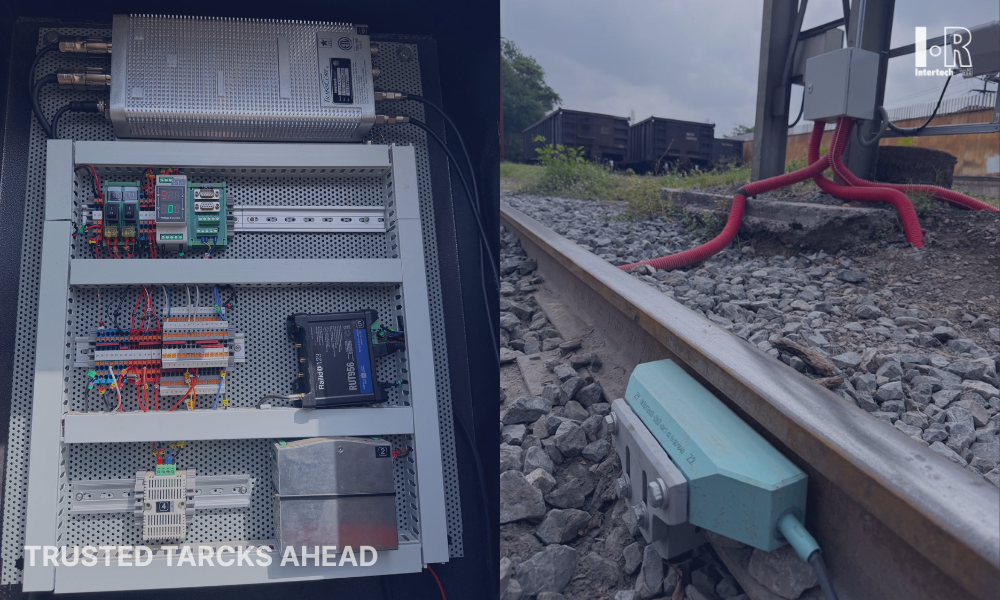
Information from Rail-ID®, AEI readers, RFID infrastructure, switch monitoring, and other field devices continuously refreshes the model, reducing the need for manual status updates.
Core Components of a Yard Digital Twin
Reliable models depend on reliable operational data.
What Data Sources Feed a Rail Yard Digital Twin?
Car Identification Events from Rail-ID® and AEI Readers
Every identification event adds another piece to the operational picture. Rail-ID®, AEI readers, and RFID systems confirm railcar movements and help maintain accurate equipment locations.
Train Schedules, Operating Plans, and Work Orders
Planned train arrivals, outbound schedules, switching instructions, and work orders provide the operational context behind every movement.
Track Occupancy, Switch Positions, and Signal Status
Track occupancy, switch indications, and signal status complete the model, allowing operating conditions to be viewed as a connected system rather than isolated events.
How Is the Digital Twin Model Built and Maintained?
Initial Yard Survey and Layout Modeling
The process usually begins with a detailed survey of the yard, including track geometry, switch locations, signals, and operating zones.
Ongoing Calibration Using Operational Data
Once the model is active, routine operating data keeps it aligned with actual field conditions. Small differences are corrected continuously instead of waiting for major updates.
Operational Use Cases for Yard Digital Twins
The benefit of a rail yard digital twin appears when it supports everyday operating decisions.
How Can Dispatchers Use Digital Twins for Daily Operations?
Visualizing Bottlenecks Before They Happen
Dispatchers can identify congestion as traffic builds instead of reacting after tracks become blocked or switching sequences slow down.
Testing Different Train Make-Up and Track Assignment Options
Different train make-up plans or track assignments can be evaluated in the model before changes affect live operations.
How Do Digital Twins Support Strategic Planning?
Evaluating Yard Expansion and Track Reconfiguration Scenarios
Infrastructure changes can be evaluated using operational data rather than assumptions alone.
Simulating the Impact of New Services or Traffic Growth
Before traffic increases or a new service begins, different operating scenarios can be tested in the model. That gives planners a chance to evaluate the impact before changes reach the actual yard.
Measuring the Impact of Digital Twins
The real measure of a digital twin is not the quality of the visualization. It is whether daily operations become more efficient.
What KPIs Can Be Improved with Yard Digital Twins?
Dwell Time, Throughput, and Track Utilization
When delays, unnecessary movements, or lightly used tracks become easier to identify, operators have better information for improving the way the yard works. Over time, that often translates into lower dwell time, higher throughput, and better track utilization.
Switching Productivity and Rework Rate
Switching productivity, unnecessary rehandling, and rework rates can also be monitored more effectively. Over time, those operational improvements provide a clearer picture of how changes in planning, infrastructure, or yard procedures affect overall freight performance.
GO DEEPER ON THESE TRACKS: A rail yard digital twin delivers the greatest value when it is supported by intelligent decision-making, enterprise connectivity, and secure digital infrastructure. Explore How Can AI-Powered Decision Support Improve Rail Yard Dispatch and Train Make-Up? to learn how AI enhances daily yard operations, discover How Should Rail Yards Integrate Rail-ID® and AEI Data with ERP, TMS, and Billing Systems? for best practices in enterprise data integration, and review How Can Rail Operators Protect Yard Automation and AEI Systems from Cybersecurity Threats? for strategies to secure modern digital rail yard environments. These related articles are already published or will be available soon.
What is Yard Management and how does it work?
Yard management is the process of monitoring, organizing, and controlling railcar movements within rail yards and terminals. It involves tracking asset locations, managing switching activities, monitoring dwell times, and maintaining accurate records of yard operations to support efficient train building and asset utilization.
Why is Yard Management important for modern railway operations, what challenges can it solve, and what benefits does it provide?
Rail yards are critical operational hubs where delays can quickly affect network performance. Effective yard management helps reduce congestion, improve switching efficiency, increase track utilization, shorten dwell times, and provide more accurate information for operational planning, customer service, and billing activities.
What technologies are commonly associated with Yard Management?
Yard management systems commonly use AEI, RFID, railcar tracking technologies, operational databases, mapping interfaces, mobile applications, automated event logging, and analytics platforms. Increasingly, railroads are using real-time data to automate yard processes and improve operational decision-making.
What Intertech Rail solutions are available for Yard Management?
Intertech Rail offers Rail-ID® Yard Management solutions that automatically capture railcar movements and operational events. By combining AEI infrastructure, RFID technology, and centralized software, the platform helps railroads improve yard visibility, track utilization, consist management, and operational efficiency.
Share article