How Can Rail Operators Protect Yard Automation and AEI Systems from Cybersecurity Threats?
Why Cybersecurity Matters in Automated Yards
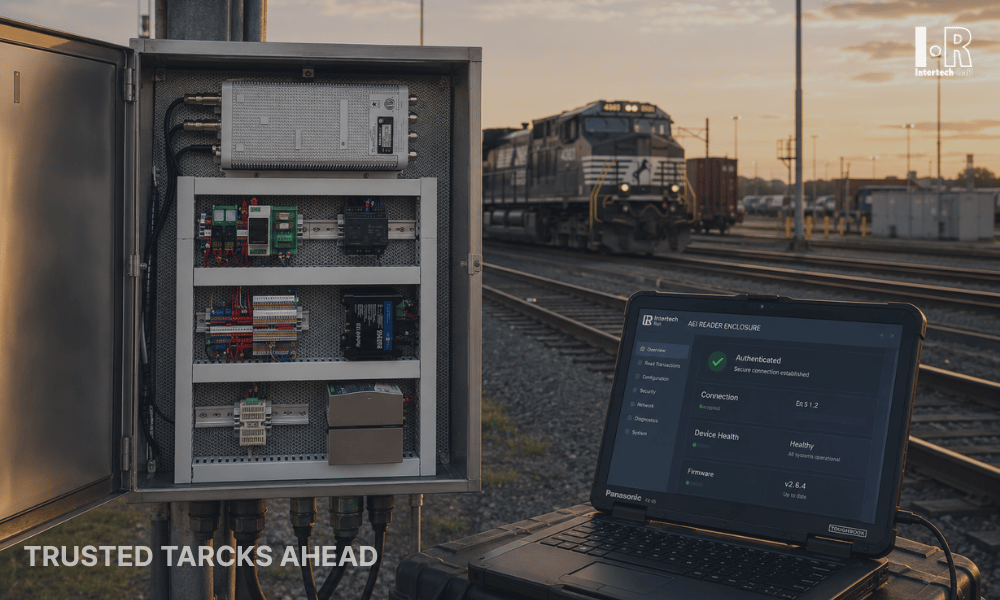
Walk through a modern rail yard, and you'll find connected systems almost everywhere. AEI readers identify railcars, yard servers process movement data, web applications support dispatchers, and maintenance teams often troubleshoot equipment remotely.
That connectivity has transformed daily operations. It has also changed the way railroads need to think about cybersecurity.
The biggest concern isn't always a complete system failure. Sometimes the problem is far less dramatic. If dispatchers begin questioning the information on their screens, they'll start double-checking everything. That alone is enough to slow the pace of the yard.
What Systems Are Exposed to Cyber Risks in a Modern Yard?
Today's yard isn't protected by securing just one server. Every connected device becomes part of the picture.
AEI Readers, Yard Servers, and Web Interfaces
AEI readers, Rail-ID® servers, databases, operator workstations, and browser-based dashboards exchange information throughout the day. If one component is compromised, the effects rarely stay isolated.
Remote Access Tools Used by Maintenance Teams
Remote access has made maintenance much more efficient. Many issues that once required a site visit can now be diagnosed from the office.
That's a major advantage, as long as remote connections remain tightly controlled and limited to authorized users.
What Types of Cyber Threats Are Relevant for Yard Operations?
Most threats aren't unique to railways. What makes rail yards different is how quickly those incidents begin affecting everyday operations.
Ransomware Targeting Operational Servers
A ransomware attack doesn't need to disable field equipment to cause disruption. Take away reliable movement records or equipment status, and people immediately start relying on phone calls, paperwork, and manual confirmation to keep trains moving.
Unauthorized Access Leading to Data Manipulation
Not every attack is designed to shut systems down. Sometimes changing a few records is enough to create confusion, delay decisions, and undermine confidence in operational data.
Core Cybersecurity Principles for Rail Yards
Good cybersecurity rarely depends on one technology. It comes from doing the basics consistently.
How Should Yard Networks Be Segmented?
A well-designed network prevents a local problem from becoming a yard-wide problem.
Separating Operational Technology (OT) from IT Networks
Corporate IT and operational systems have different purposes. Keeping them separated reduces unnecessary exposure and makes incidents much easier to contain.
Controlling Access Between Office Systems and Yard Equipment
When business applications need operational data, that communication should happen through controlled interfaces, not unrestricted network access.
What Security Controls Should Protect AEI and Yard Servers?
There's rarely one security feature that makes the difference. It's usually a combination of small, well-managed controls.
Authentication, Authorization, and Role-Based Access
Most employees don't need access to every part of the system. Limiting permissions to what's actually needed is simple, practical, and surprisingly effective.
Encryption for Data in Transit and at Rest
Moving data is constantly travelling between readers, servers, databases, and business systems. Keeping that information encrypted both in transit and in storage adds another layer of protection without changing how people work.
Vendor and Product Security Considerations
Cybersecurity starts long before equipment is installed.
What Should Railroads Ask Vendors About Cybersecurity?
The right questions during procurement often prevent expensive problems later.
Security Certifications, Audits, and Third-Party Assessments
It's worth asking how products are tested, whether outside security specialists review them, and how new software releases are checked before reaching customers.
Patch Management and Vulnerability Disclosure Practices
Every system needs updates sooner or later. The important part is knowing they'll arrive quickly when security issues are found, and that customers won't be left guessing what needs to be done.
How Does Strong Cybersecurity Support Regulatory Compliance?
For today's railroads, cybersecurity is simply part of running critical infrastructure.
Alignment with National Critical Infrastructure Guidelines
Most rail operators already work within national cybersecurity guidelines for critical infrastructure. Aligning yard systems with those recommendations usually strengthens both security and compliance at the same time.
Documentation for Security Policies and Incident Response
When something goes wrong, nobody wants to decide the next step on the spot. Clear response procedures help teams react faster and make audits far less painful later.
Building a Cybersecurity Culture in Yard Operations
Technology is only part of the picture. The people using it every day have just as much influence on security.
How Can Operators Reduce Human-Related Cyber Risks?
Not every cyber incident starts with an advanced attack. Quite a few begin with something ordinary, a weak password, an unexpected email, or someone clicking where they shouldn't.
Training on Phishing, Passwords, and Remote Access Rules
The best training doesn't feel like training. Using examples people recognize from their own routine is usually far more effective than hours of technical presentations.
Clear Processes for Reporting Suspicious Activity
People shouldn't hesitate to raise a concern just because they're unsure it's a real problem. In many cases, reporting something early is what keeps it from becoming one.
GO DEEPER ON THESE TRACKS: Secure rail yard automation relies on trusted operational data, connected enterprise systems, and advanced decision support. Explore
What Is a Rail Yard Digital Twin and How Can It Improve Freight Operations? to understand the digital environment that cybersecurity protects, discover
How Can AI-Powered Decision Support Improve Rail Yard Dispatch and Train Make-Up? to learn how secure data supports intelligent dispatching, and review
How Should Rail Yards Integrate Rail-ID® and AEI Data with ERP, TMS, and Billing Systems? for guidance on building secure data connections across rail operations. These related articles are already published or will be available soon.
What is AEI, and how does it work?
Automatic Equipment Identification (AEI) is a railway identification system that automatically reads RFID tags mounted on locomotives, freight cars, and other rail assets. As equipment passes a trackside reader, identification data is captured and transmitted to operational systems, creating a reliable record of asset movements without manual data entry.
Why is AEI important for modern railway operations, what challenges can it solve, and what benefits does it provide?
AEI improves operational accuracy by automating equipment identification across the rail network. It helps eliminate manual reporting errors, reduces labor requirements, accelerates asset tracking, and provides dependable movement records. Railroads use AEI data to support inventory management, train documentation, customer reporting, and operational visibility initiatives.
What technologies are commonly associated with AEI?
AEI systems typically include RFID tags, trackside readers, antennas, edge computing devices, communications networks, database platforms, and enterprise software. Many railroads integrate AEI data with transportation management systems, yard management platforms, asset tracking applications, and business intelligence tools.
What Intertech Rail solutions are available for AEI?
Intertech Rail provides a complete AEI portfolio including Rail-ID® readers, antennas, RFID tags, edge devices, and centralized software platforms. Solutions such as Rail-ID® Server, Rail-ID® Edge, Rail-ID® Xpress, and the MPRX Reader support automated identification and real-time monitoring of rail assets across railway networks.
Share article