How Can Rail-ID® Improve Visibility in Intermodal and Mixed-Traffic Rail Yards?
The Complexity of Intermodal and Mixed-Traffic Operations
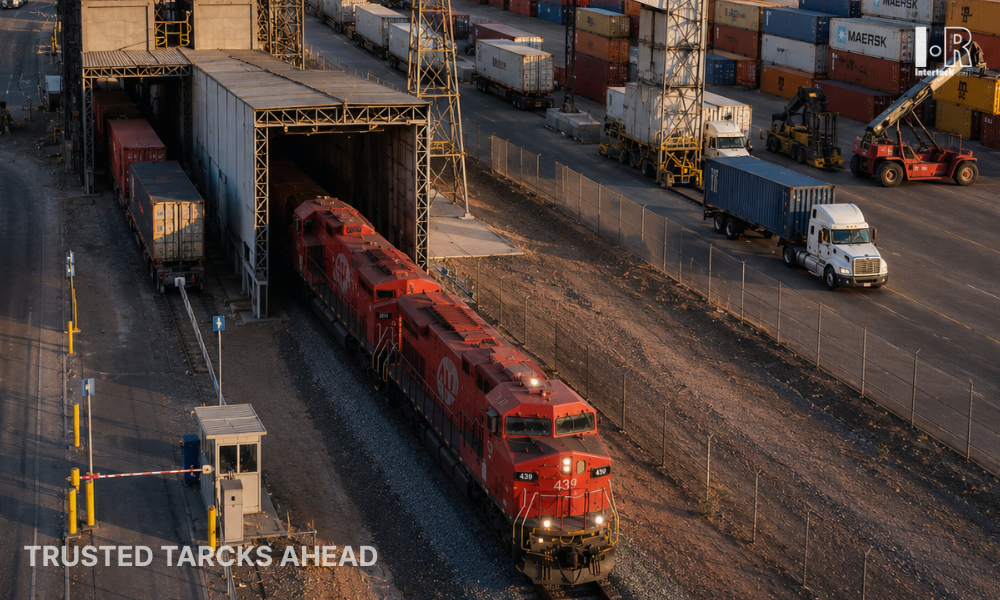
Intermodal terminals are busy by nature, and no two days look exactly alike. A train may be arriving while another is being broken down, trucks are constantly moving through the gates, and railcars often pass from one railroad or customer to another before leaving the yard. To someone watching from outside, everything seems to flow. Inside the operation, keeping track of every movement is a much bigger challenge.
Better intermodal rail yard visibility goes well beyond recording the last place a railcar was read. Operations teams need to know whether it has reached the correct track, how long it has been sitting there, and if the next planned movement is still on schedule. Those details are what keep the yard moving efficiently.
What Makes Intermodal Yards More Challenging to Manage?
High Turnover of Cars, Containers, and Road Vehicles
Unlike many bulk freight terminals, intermodal facilities process thousands of equipment movements within short operating windows.
Loading, unloading, switching, inspections, truck arrivals, container transfers... many of these activities are happening at the same time. A delay in one part of the terminal rarely stays isolated for long.
Multiple Stakeholders: Railroads, Shippers, Terminals, and Truckers
Very few movements are handled by a single organization. Railroads, terminal operators, trucking companies, and customers all depend on the same flow of information. When one handoff takes longer than expected, the effects often spread much further than the original delay.
What Visibility Gaps Do Operators Commonly Face?
Uncertain Location of High-Value or Priority Loads
Ask almost anyone who works in yard operations what slows them down, and you'll hear the same complaint sooner or later: finding a priority railcar. Everyone knows it arrived. The question is where it ended up after several switching moves. Without reliable tracking, answering that question can still mean making phone calls, checking paperwork, or sending someone into the yard to verify it.
Difficulties in Tracking Cars Shared Between Multiple Railroads
Shared assets create another layer of complexity. Once equipment moves between carriers or terminal operators, maintaining consistent event histories becomes much harder without automated identification.
Applying Rail-ID® to Intermodal Yards
How Does Rail-ID® Fit into an Intermodal Yard Workflow?
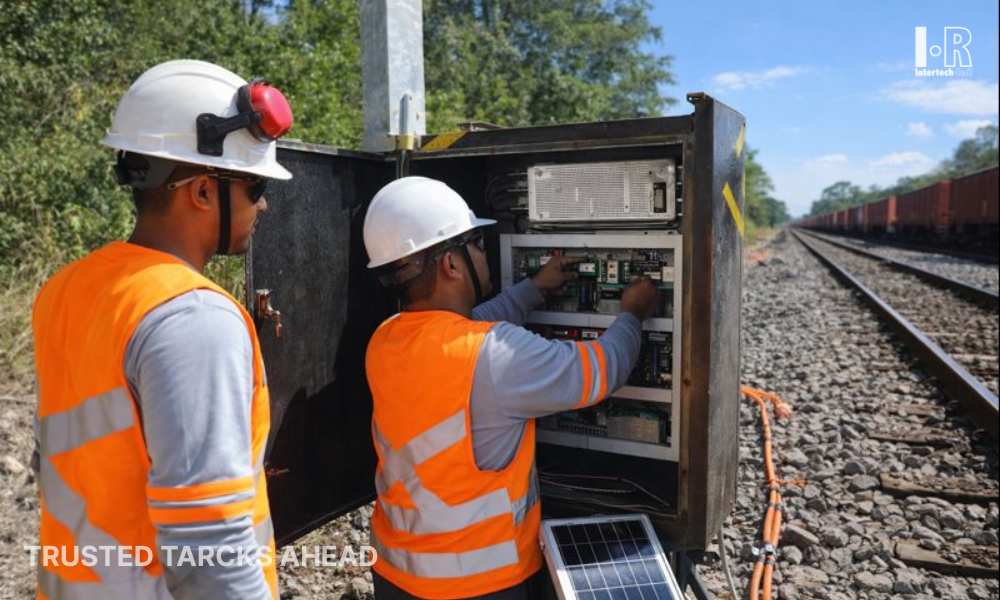
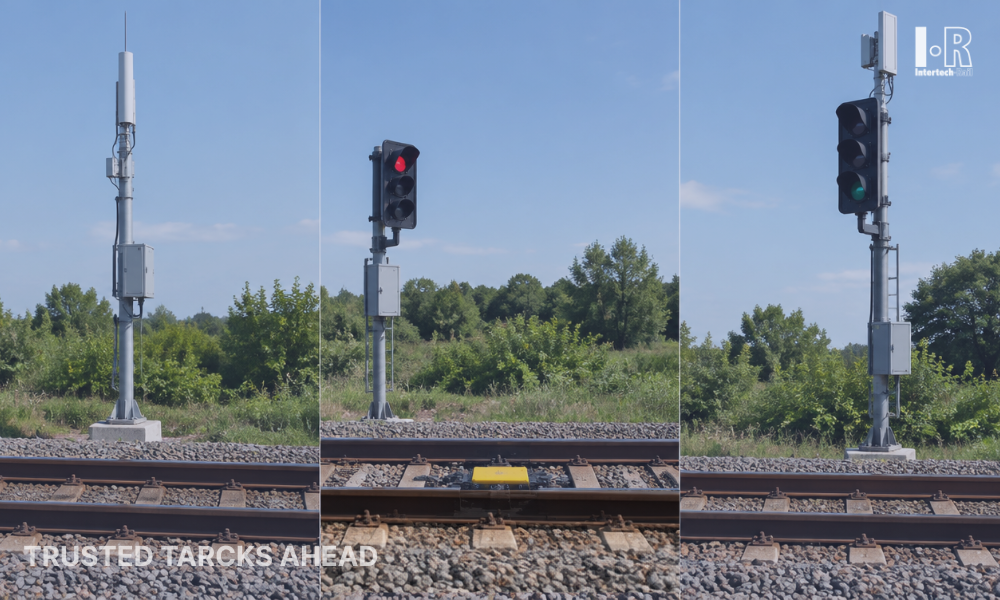
A rail-ID intermodal yard deployment typically combines AEI readers positioned at strategic locations throughout the facility. Rather than monitoring only arrivals and departures, the system captures movement as equipment progresses through each operational stage.
Gate, Inbound, Classification, and Outbound Read Points
Read points placed at entrance gates, receiving tracks, classification zones, repair tracks, and departure routes automatically generate movement events without interrupting operations.
The result is a continuous operational timeline instead of isolated location updates.
Integrating Rail-ID® Data with Terminal Operating Systems
The value increases even more when Rail-ID® events are shared directly with the Terminal Operating System (TOS) or another yard management platform. Dispatchers no longer have to rely on information that may already be several hours old. Instead, they see what is actually happening across the terminal as movements occur.
What Types of Events Should Be Captured in Mixed-Traffic Environments?
Handovers Between Railroads and Terminal Operators
Every transfer of responsibility should generate an electronic event. Recording these handovers creates accountability while reducing disputes over timing and asset custody.
Tracking Dwell Time by Customer, Train, and Service Type
Instead of measuring only average yard dwell, operators can analyze performance by customer, train symbol, service type, or interchange partner. Those comparisons often reveal operational bottlenecks that broad averages fail to expose.
This is where mixed-traffic rail yard management becomes much more data-driven.
Business Benefits for Intermodal Operations
How Does Improved Visibility Change Customer Service?
More Accurate ETAs for Pickup and Delivery
For customers, the biggest difference is usually confidence. Pickup times and estimated arrivals no longer depend only on historical averages or educated guesses. They can be based on what the equipment is actually doing inside the yard at that moment.
Proactive Notification of Exceptions and Delays
If equipment remains at one location longer than expected or misses a planned movement, operations teams can investigate before customers begin asking questions. That changes the conversation from reacting to explaining.
GO DEEPER ON THESE TRACKS: Managing complex intermodal operations requires accurate asset visibility and reliable operational data. Explore How Can Rail Operators Reduce Railcar Dwell Time with Real-Time Yard Visibility? to learn strategies for improving yard efficiency, discover What Is Rail Yard Performance Management? The Complete Guide to Turning Yard Data into Operational Results for a structured optimization framework, and review How Can Automated Rail Yard Event Logs Improve Billing Accuracy and Exception Resolution? to understand how automated event records strengthen operational control. These related articles are already published or will be available soon.
How Does Rail-ID® Support Network-Level Optimization?
Understanding Asset Utilization Across Yards and Terminals
After several months of operation, the data starts revealing patterns that are difficult to notice during day-to-day work. Some yards consistently create longer dwell times. Certain interchange windows perform better than others. Equipment may spend far more time waiting in one location than expected. These trends become much easier to recognize when movement history is captured automatically.
Using Data to Redesign Schedules and Hand-Off Windows
Over time, the greatest value often comes from operational refinement rather than technology itself. Historical movement records support better scheduling, improved interchange planning, and more efficient terminal coordination.
At the end of the day, rail yard automation for intermodal is really about giving experienced railroad people better information. Yardmasters, dispatchers, and supervisors still make the decisions. The difference is that those decisions are supported by accurate, real-time operational data instead of assumptions or incomplete reports. In complex intermodal terminals, that extra visibility often prevents small delays from turning into much larger operational problems.
What is Asset Visibility, and how does it work?
Asset visibility refers to the ability to monitor the location, condition, status, and utilization of physical assets across an operation. In rail environments, this includes rolling stock, maintenance equipment, containers, and other critical resources. Data is gathered automatically and consolidated into systems that provide a unified operational view.
Why is Asset Visibility important for modern railway operations, and what challenges can it solve, and what benefits does it provide?
Without reliable asset visibility, organizations often struggle with asset utilization, inventory control, and operational planning. Improved visibility helps reduce uncertainty, improve resource allocation, support maintenance activities, and provide stakeholders with accurate information about asset availability and operational status.
What technologies are commonly associated with Asset Visibility?
Asset visibility programs often combine RFID, AEI, GPS tracking, condition monitoring systems, IoT sensors, enterprise software, analytics platforms, and operational dashboards. Integrating multiple data sources allows organizations to gain a more complete understanding of asset performance and utilization.
What Intertech Rail solutions are available for Asset Visibility?
Intertech Rail provides identification, tracking, and data management solutions that support asset visibility initiatives. Through the Rail-ID® ecosystem, operators can capture movement events, maintain asset records, and improve access to operational data across railway networks and facilities.
Share article