What Is Railcar Tag Management and Why Is It Critical for Reliable AEI Data?
Understanding Railcar RFID Tag Management
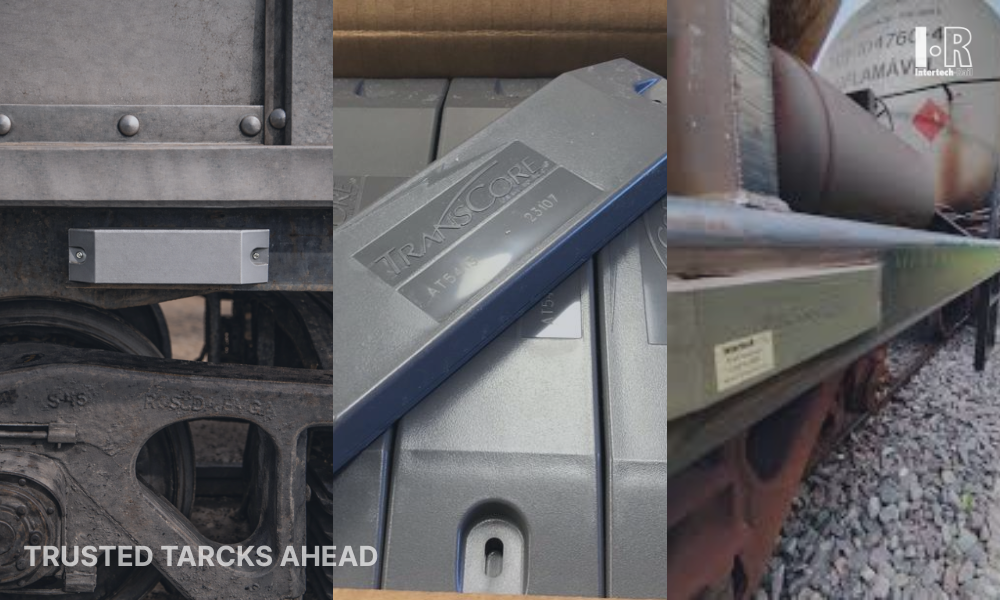
Most freight railroads today rely on Automatic Equipment Identification (AEI) as part of their daily operation. Every time a railcar moves past a reader, its identity is captured automatically and passed to systems responsible for train documentation, yard operations, maintenance records, customer reporting, and billing. It all happens in the background, often without anyone thinking about it. What makes that possible, however, is not only the reader beside the track, but also the RFID tag attached to the railcar.
That's where railcar tag management becomes important.
Even the best AEI infrastructure has its limits. If the tag is damaged, programmed incorrectly, installed in the wrong position, or simply left in poor condition over the years, the quality of the data begins to decline. The reader can only work with what the tag provides.
What Is a Railcar AEI Tag and What Information Does It Store?
AAR-Standard Data Fields and Coding Structure
AEI tags are manufactured according to standards defined by the Association of American Railroads (AAR). Each one carries encoded information that uniquely identifies a railcar, allowing the same asset to be recognized wherever compliant readers are installed across the railway network.
Since every compliant system follows the same encoding standard, information collected at different locations remains consistent as the railcar moves between yards, terminals, and railroads.
Ownership, Mark, Number, and Equipment Type
The encoded data includes details such as the reporting mark, car number, ownership information, and equipment type. Those fields are what connect a physical railcar to its digital record inside operational systems. Every successful read updates the movement history of that specific asset, making it possible to follow its journey across the network with confidence.
What Is "Tag Management" in a Freight Rail Context?
Tag management is much more than installing an RFID tag on a newly built railcar. It covers every activity required to keep that identification accurate throughout the equipment's service life.
Installing, Updating, and Replacing Tags Over the Asset Lifecycle
A freight railcar may remain in service for thirty or forty years. Over that period, it is likely to be repainted, repaired, rebuilt, or transferred to another owner at least once. Those changes don't always involve replacing or verifying the RFID tag, even though they probably should. It's easy to assume the tag will last forever, but field experience shows that's not always the case.
Coordinating Tag Changes Between Fleet Owners and Operators
Keeping automatic equipment identification tags accurate is rarely the responsibility of a single organization. Fleet owners, leasing companies, repair facilities, and railroad operators all play a part, which makes communication just as important as the technical work itself.
The Impact of Tag Quality on AEI System Performance
How Do Damaged or Outdated Tags Affect Read Rates?
When a tag begins to fail, the symptoms are not always immediate. A cracked housing, poor mounting position, physical damage, or gradual electronic degradation may only cause an occasional missed read at first. Months later, those isolated failures often become a recurring operational issue that's much harder to ignore.
Missed Reads, Misidentifications, and Data Gaps
Every missed read creates uncertainty. A railcar may appear to have skipped a location, disappeared from the yard, or never entered a terminal at all. Investigating those exceptions consumes time that could otherwise be spent managing train movements.
Operational and Billing Consequences of Poor Tag Data
Poor railcar RFID tag data quality reaches far beyond simply locating railcars. It affects interchange records, customer reporting, maintenance history, billing, and even regulatory documentation. One incorrect identification can easily lead to phone calls, manual verification, and unnecessary delays before the information is trusted again.
How Can Operators Monitor and Improve Tag Health?
Tag Audit Campaigns and Field Inspections
Many railroads already check tag condition during scheduled inspections or maintenance campaigns. It's a simple habit that pays off. Replacing a damaged tag during planned work is almost always easier than trying to explain missing reads after the railcar has already returned to service.
Reporting on Read Rate by Location, Fleet, and Tag Age
Monitoring read performance by reader location, equipment fleet, or tag age helps maintenance teams identify recurring issues. Those reports often reveal patterns that individual missed reads never would.
Best Practices for Railcar Tag Management Programs
What Processes Should Be in Place for Tag Lifecycle Control?
Standardized Procedures for New Builds and Repaints
Every new railcar, repaint project, or major rebuild should include verification of tag placement, programming, and physical condition before the equipment returns to service. Consistent procedures reduce variability across the fleet and simplify future inspections.
Centralized Tag Database and Change Control
Maintaining one centralized tag database also helps avoid confusion. Replacement history, ownership updates, maintenance records, and configuration changes stay in one place, making it much easier for operations, maintenance, and fleet management teams to work with the same information.
How Can Tag Management Integrate with Yard and Billing Systems?
Keeping Car Master Data Aligned Across Systems
AEI performs best when operational systems all reference the same asset information. Synchronizing tag records with the car master database helps eliminate conflicting data between maintenance, operations, and billing applications.
Automating Updates to Reduce Manual Errors
Modern aei tag maintenance programs increasingly automate updates between inspection systems, yard software, and business platforms. As information moves automatically between those systems, there is far less manual typing, fewer opportunities for transcription mistakes, and a much better chance that everyone is looking at current information instead of outdated records.
Reliable AEI begins long before a train reaches a reader. It starts with disciplined railcar tag management, consistent maintenance practices, and confidence that every automatic equipment identification tag accurately represents the railcar carrying it. When that foundation is in place, the quality of operational data improves across the entire railway network.
GO DEEPER IN THESE TRACKS: Reliable AEI performance begins with well-managed RFID tags and accurate asset information. Explore How Can Automated Rail Yard Event Logs Improve Billing Accuracy and Exception Resolution? to see how high-quality identification data supports operational traceability, discover How Can Rail-ID® Improve Visibility in Intermodal and Mixed-Traffic Rail Yards? for real-world applications of automated identification, and review Which Rail Yard KPIs Matter Most for Measuring Automation ROI? A Practical Guide for Freight Operators to understand how reliable AEI data contributes to meaningful performance measurement. These related articles are already published or will be available soon.
What is AEI, and how does it work?
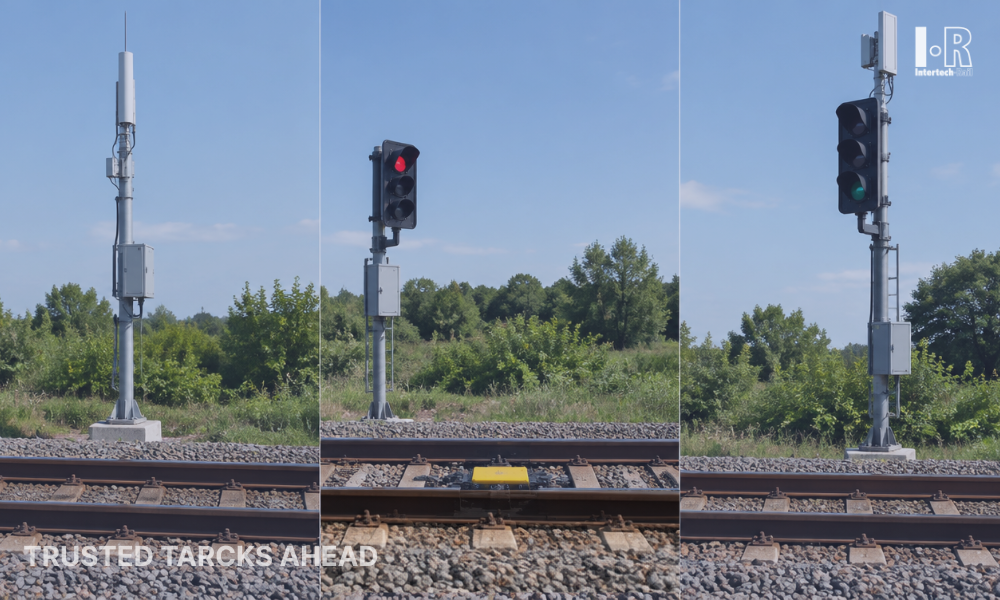
Automatic Equipment Identification (AEI) is a railway identification system that automatically reads RFID tags mounted on locomotives, freight cars, and other rail assets. As equipment passes a trackside reader, identification data is captured and transmitted to operational systems, creating a reliable record of asset movements without manual data entry.
Why is AEI important for modern railway operations, what challenges can it solve, and what benefits does it provide?
AEI improves operational accuracy by automating equipment identification across the rail network. It helps eliminate manual reporting errors, reduces labor requirements, accelerates asset tracking, and provides dependable movement records. Railroads use AEI data to support inventory management, train documentation, customer reporting, and operational visibility initiatives.
What technologies are commonly associated with AEI?
AEI systems typically include RFID tags, trackside readers, antennas, edge computing devices, communications networks, database platforms, and enterprise software. Many railroads integrate AEI data with transportation management systems, yard management platforms, asset tracking applications, and business intelligence tools.
What Intertech Rail solutions are available for AEI?
Intertech Rail provides a complete AEI portfolio including Rail-ID® readers, antennas, RFID tags, edge devices, and centralized software platforms. Solutions such as Rail-ID® Server, Rail-ID® Edge, Rail-ID® Xpress, and the MPRX Reader support automated identification and real-time monitoring of rail assets across railway networks.
Share article