Multi-Railroad & Shared Yard Governance
How Can Multiple Railroads Share a Rail Yard While Maintaining Clear Visibility and Governance?
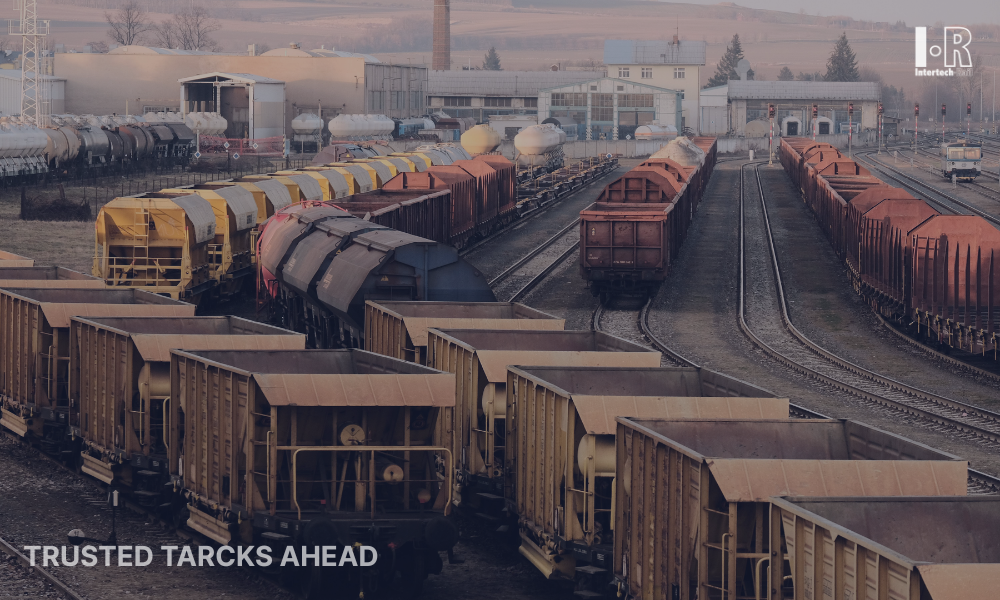
Shared yards are nothing new in this industry, but the way they're managed hasn't kept pace with how much traffic actually moves through them. Two, sometimes three, railroads working the same tracks, the same lead, the same handful of switches, and each one convinced their cars are the priority. Shared rail yard operations work fine on paper. In practice, the friction shows up the moment something goes wrong and nobody agrees on whose problem it is.
The Challenge of Shared Yards
What Operational Problems Arise in Multi-Railroad Yards?
Car ownership disputes are the most common headache, and they're rarely about the car itself. They're about who was responsible for it at the moment something happened, a delay, a misroute, damage on a siding. Add competing priorities for track space and dispatching windows, and you get a yard where everyone is technically following the rules and still stepping on each other.
Why Is Data Governance Critical in Shared Yards?
If two railroads are looking at two different versions of the same event, an argument about a KPI report becomes an argument about basic facts. That's a governance failure, not an operational one. Each party needs to see data that's correct and relevant to their own cars and commitments, without needing to trust the other operator's spreadsheet.
Data and Process Design for Shared Yards
How Should Yard Events Be Structured for Multiple Railroads?
The fix starts with clean hand-off events. Every transfer of responsibility needs a timestamp, a track reference, and a train reference that both parties recognize as authoritative. Standardized codes for responsibility transfer sound bureaucratic, but they're what keeps a dispute from turning into a two-week email thread.
How Can Rail-ID® Support Multi-Operator Environments?
This is where rail yard data sharing gets solved at the system level rather than the policy level. Rail-ID® supports logical separation of data by railroad or customer, so each operator's view stays clean even though the underlying yard infrastructure is shared. Role-based access controls who sees car detail, event history, and reporting for which fleet, which matters as much for trust as it does for security.
Governance and Agreements
What Should Be Defined in Shared Yard Governance Models?
Track allocation rules and priority conflict resolution need to be written down before the first dispute, not negotiated during one. The same applies to incident investigation procedures and how billing disputes get resolved. Vague language in a joint-use agreement is where most of these conflicts actually originate.
How Do Shared Yards Report Performance to Each Party?
Joint use rail yard management works best with separate KPI dashboards per railroad and service type, so each operator can evaluate their own performance without wading through another company's numbers. Yard owners and terminal operators still need an aggregated view above that, one that shows how the whole facility is performing regardless of which railroad's cars are on which track. Get that layering right, and most of the friction in a shared yard turns into something closer to routine coordination.
GO DEEPER ON THESE TRACKS: Effective shared yard governance depends on reliable operational data, well-trained personnel, and a structured modernization strategy. Explore How Can Rail Yards Use Automation and Data to Improve Sustainability and Energy Efficiency? to see how operational data supports more efficient rail yards, discover How Should Yard Teams Work with Automation Systems to Improve Safety and Productivity? for best practices in human-centered automation, and review How Can Rail Operators Assess Their Yard’s Readiness for Automation and Build a Practical Implementation Roadmap? to build the foundation for collaborative and data-driven yard operations. These related articles are already published or will be available soon.
What is Rail-ID® Argus and how does it work?
Rail-ID® Argus is Intertech Rail's Yard Management System, a platform for monitoring, organizing, and controlling railcar movements within rail yards and terminals. It tracks asset locations, manages switching activities, monitors dwell times, and maintains accurate records of yard operations to support efficient train building and asset utilization.
Why is yard management important for modern railway operations, what challenges can it solve, and what benefits does it provide?
Rail yards are critical operational hubs where delays can quickly affect network performance. Effective yard management, such as what Rail-ID® Argus delivers, helps reduce congestion, improve switching efficiency, increase track utilization, shorten dwell times, and provide more accurate information for operational planning, customer service, and billing activities.
Título ou perguWhat technologies power Rail-ID® Argus?nta
Rail-ID® Argus is built on AEI, RFID, railcar tracking technologies, operational databases, mapping interfaces, mobile applications, automated event logging, and analytics platforms, using real-time data to automate yard processes and improve operational decision-making.
What does Rail-ID® Argus offer for Yard Management?
Rail-ID® Argus automatically captures railcar movements and operational events. By combining AEI infrastructure, RFID technology, and centralized software, the platform helps railroads improve yard visibility, track utilization, consist management, and operational efficiency.
Share article