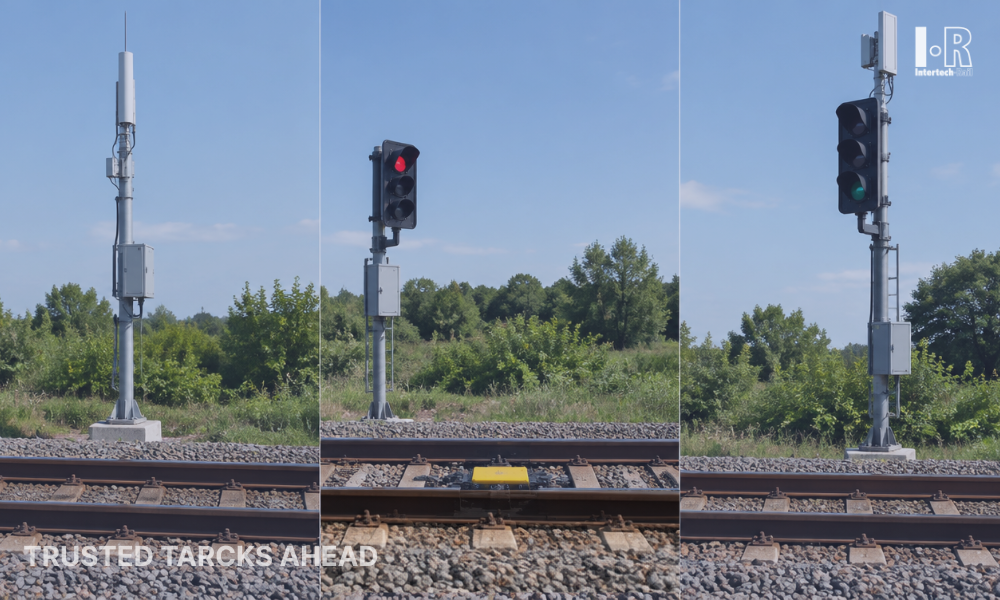
Human–Machine Collaboration in Automated Rail Yards
How Should Yard Teams Work with Automation Systems to Improve Safety and Productivity?
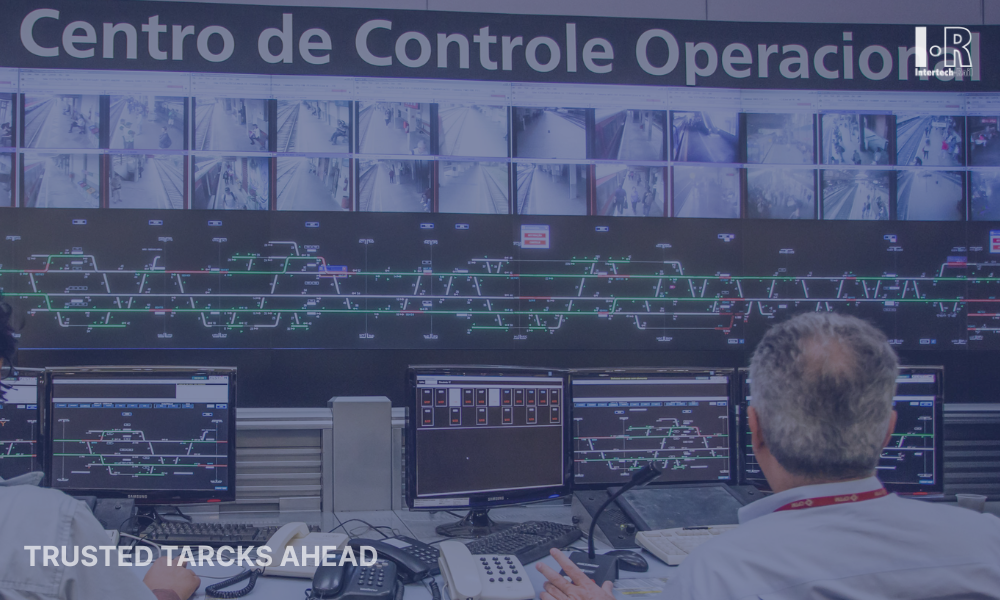
Walk into most modern classification yards today and you'll find something that would have looked odd fifteen years ago: a dispatcher watching a screen more than watching the tracks themselves. Human machine collaboration rail yard setups have moved fast, and the technology side of that shift gets most of the attention. The people side, frankly, gets less than it deserves, and that's usually where implementations succeed or quietly fail.
Changing Roles in Automated Rail Yards
How Does Automation Change Yard Job Responsibilities?
The clipboard-and-radio car counter is mostly gone. In its place is someone monitoring a system that already knows where every car sits. That sounds like less work, but it isn't. It's different work. The job shifts toward catching exceptions the system flags but can't resolve on its own, and toward making judgment calls when the data and the reality on the ground don't quite match.
What Tasks Should Remain Human-Driven?
Automation is good at pattern recognition and terrible at ambiguity. Anything safety-critical, especially an unusual situation the system hasn't seen before, still needs a person making the call. The same goes for customer-facing moments. When a shipment goes sideways, a dashboard doesn't apologize to the account manager on the phone; a person does.
Designing Effective Human–Machine Workflows
How Should Information Be Presented to Yard Staff?
I've watched too many good systems get ignored because the interface buried the one thing that mattered under ten things that didn't. Car location and track status need to sit front and center on a dashboard, with exceptions and threshold breaches surfaced as clear, simple alerts, not another line item in a scrolling log.
How Do You Avoid Overloading Teams with Data?
Yard automation workforce change only works if notifications are prioritized instead of dumped on everyone equally. A dispatcher needs different information than a supervisor, who needs different information than a maintenance lead. Role-based views aren't a luxury feature here; they're what keeps people from tuning the whole system out after week two.
Training and Skills for Automated Yards
What New Skills Do Yard Teams Need?
Staff don't need to become AEI engineers, but a working understanding of how the yard management system reads and interprets tag data goes a long way. So does basic fluency in the KPIs the automation reports on. Rail operations human factors automation research consistently shows that teams who understand roughly how the system thinks trust it more, and catch its mistakes faster.
How Can Railroads Build Trust in Automation?
Trust doesn't come from a memo announcing the new system. It comes from involving crews in the rollout before it happens, not after, and from sharing the actual improvement numbers once the system is live, good or bad. Training for automated rail yards that treats operators as partners in the transition, rather than end users being informed of a decision already made, tends to stick. The yards where automation actually delivers on its promise are usually the ones where someone bothered to ask the crew what they thought before the switch got flipped.
GO DEEPER ON THESE TRACKS: Successful automation depends on well-trained teams, sustainable operational practices, and a clear implementation strategy. Explore How Can Rail Yards Use Automation and Data to Improve Sustainability and Energy Efficiency? to see how automation supports environmental performance, discover How Can Multiple Railroads Share a Rail Yard While Maintaining Clear Visibility and Governance? for collaborative operational management, and review How Can Rail Operators Assess Their Yard’s Readiness for Automation and Build a Practical Implementation Roadmap? to understand how organizations can prepare their workforce for modern rail yard technologies. These related articles are already published or will be available soon.
What is Rail-ID® Argus and how does it work?
Rail-ID® Argus is Intertech Rail's Yard Management System, a platform for monitoring, organizing, and controlling railcar movements within rail yards and terminals. It tracks asset locations, manages switching activities, monitors dwell times, and maintains accurate records of yard operations to support efficient train building and asset utilization.
Why is yard management important for modern railway operations, what challenges can it solve, and what benefits does it provide?
Rail yards are critical operational hubs where delays can quickly affect network performance. Effective yard management, such as what Rail-ID® Argus delivers, helps reduce congestion, improve switching efficiency, increase track utilization, shorten dwell times, and provide more accurate information for operational planning, customer service, and billing activities.
What technologies power Rail-ID® Argus?
Rail-ID® Argus is built on AEI, RFID, railcar tracking technologies, operational databases, mapping interfaces, mobile applications, automated event logging, and analytics platforms, using real-time data to automate yard processes and improve operational decision-making.
What does Rail-ID® Argus offer for Yard Management?
Rail-ID® Argus automatically captures railcar movements and operational events. By combining AEI infrastructure, RFID technology, and centralized software, the platform helps railroads improve yard visibility, track utilization, consist management, and operational efficiency.
Share article